Caspar David Friedrich · 1823–24
The Sea of Ice
Posters from $10.82 USD · Canvas from $28.14 USD
Ships anywhere in the USA
Friedrich's bleak masterpiece — splintered ice slabs crushing a wrecked ship. Originally titled "The Wreck of Hope," the German Romantic vision of nature's indifference.
Up to 15.8 × 12 in · landscape
Size
Larger sizes are unavailable for this painting because the source scan's resolution wouldn't print at gallery quality.
Format & finish
Archival cotton canvas stretched over a wooden frame. Ready to hang as-is. No external frame.
Scale next to a 5'10" person
No sales tax added at checkout
Visa · Mastercard · Amex · Discover · Apple Pay · Google Pay
Materials & quality
›Canvas & inks
Giclée-printed on archival cotton canvas with fade-resistant pigment inks, hand-stretched over wooden bars. Gallery-wrapped — ready to hang with no extra frame needed.
›Floater frame
Hand-finished solid wood floater frame in five finishes. The canvas sits inside with a clean shadow gap — the way galleries hang contemporary canvas.
›Posters
Premium archival paper — 200 gsm soft matte or 230 gsm vibrant glossy. Ships flat or rolled, ready for your own frame.
›Faithful to the source
Printed from the highest-resolution museum and archive scans available. Each painting's maximum size is capped at what its source scan can support at gallery quality.
The story of The Sea of Ice
The Sea of Ice is an 1823–1824 oil-on-canvas painting by the German Romantic painter Caspar David Friedrich. It depicts Friedrich's interpretation of an Arctic landscape, with a shipwreck half-buried in the ice. Its radical composition and subject matter were unusual for their time and the work was met with incomprehension. It has been retrospectively considered one of Friedrich's masterpieces.
Adapted from Wikipedia, available under CC BY-SA 4.0.
Caspar David Friedrich
Caspar David Friedrich was a German Romantic landscape painter, generally considered the most important German artist of his generation, whose often symbolic, and anti-classical work, conveys a subjective, emotional response to the natural world. Friedrich's paintings often set contemplative human figures silhouetted against night skies, morning mists, barren trees or Gothic ruins. Art historian Christopher John Murray described their presence, in diminished perspective, amid expansive landscapes, as reducing the figures to a scale that directs "the viewer's gaze towards their metaphysical dimension".
All Caspar David Friedrich prints →Biography adapted from Wikipedia, available under CC BY-SA 4.0.
You may also like
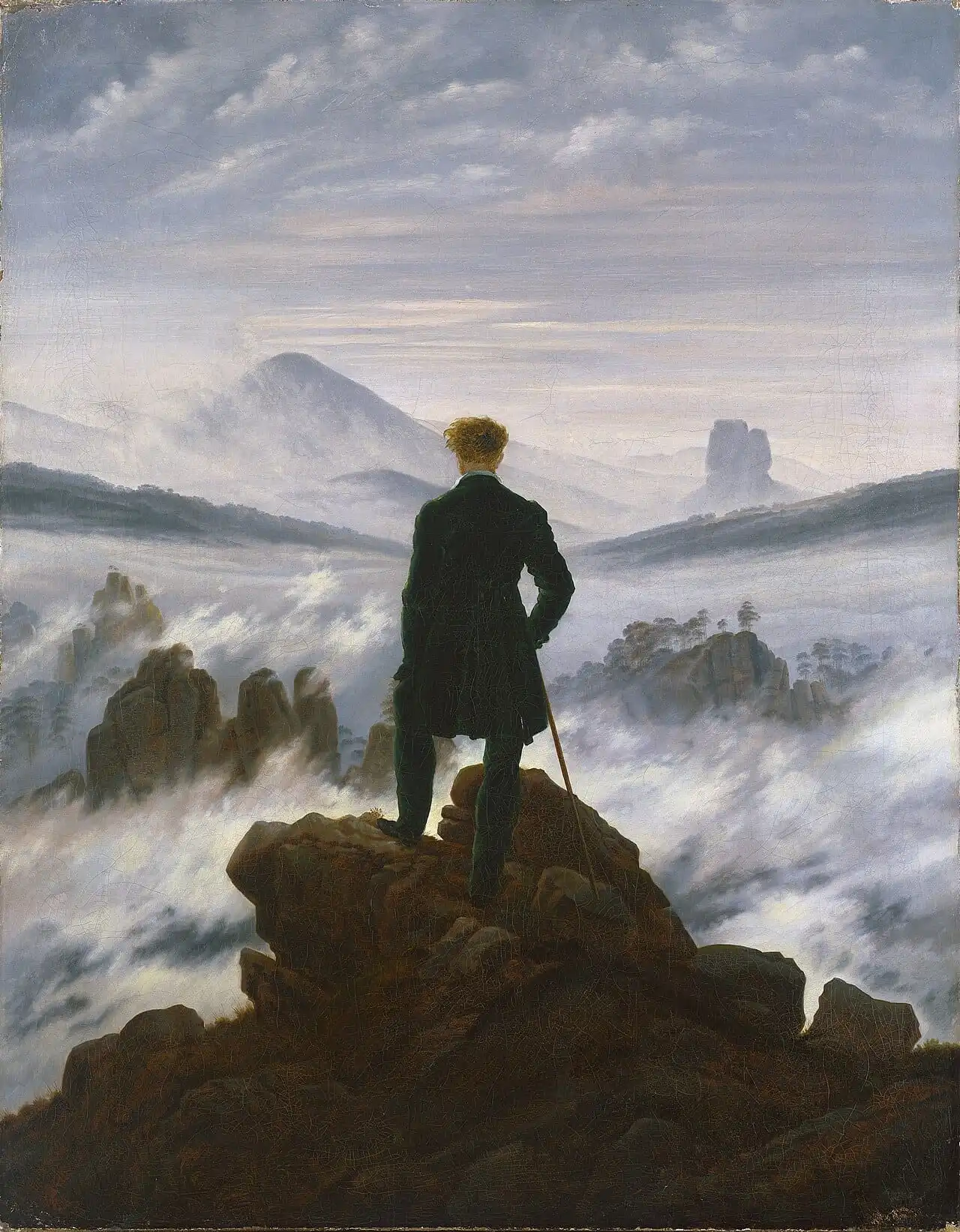
Caspar David Friedrich · 1818
Wanderer above the Sea of Fog
Mini · Petite · Small · Medium
From $10.82 USD
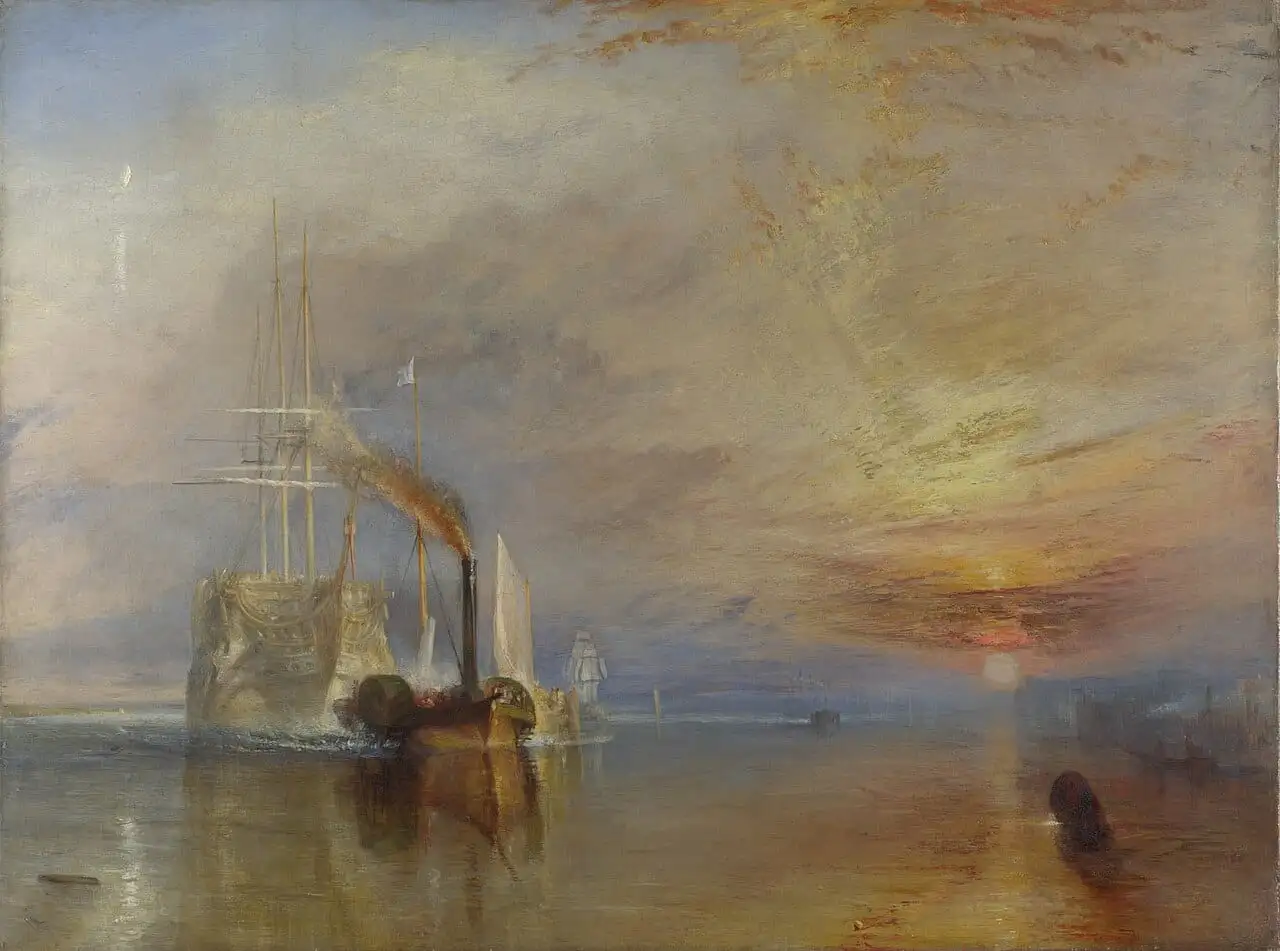
J. M. W. Turner · 1839
The Fighting Temeraire
Mini · Petite · Small · Medium
From $10.82 USD

John Constable · 1821
The Hay Wain
Mini · Petite · Small · Medium
From $10.82 USD
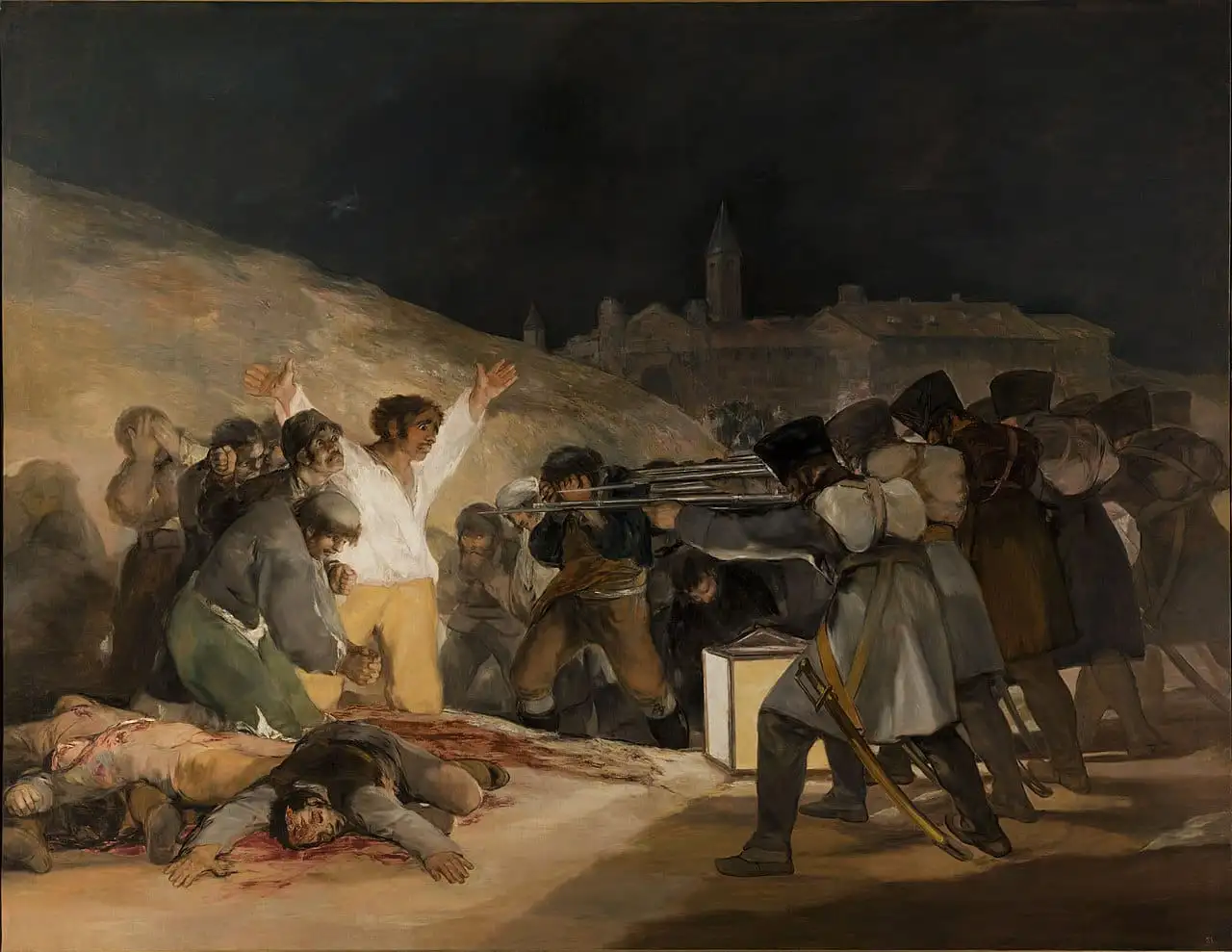
Francisco Goya · 1814
The Third of May 1808
Mini · Petite · Small · Medium · Large · Extra Large
From $10.82 USD
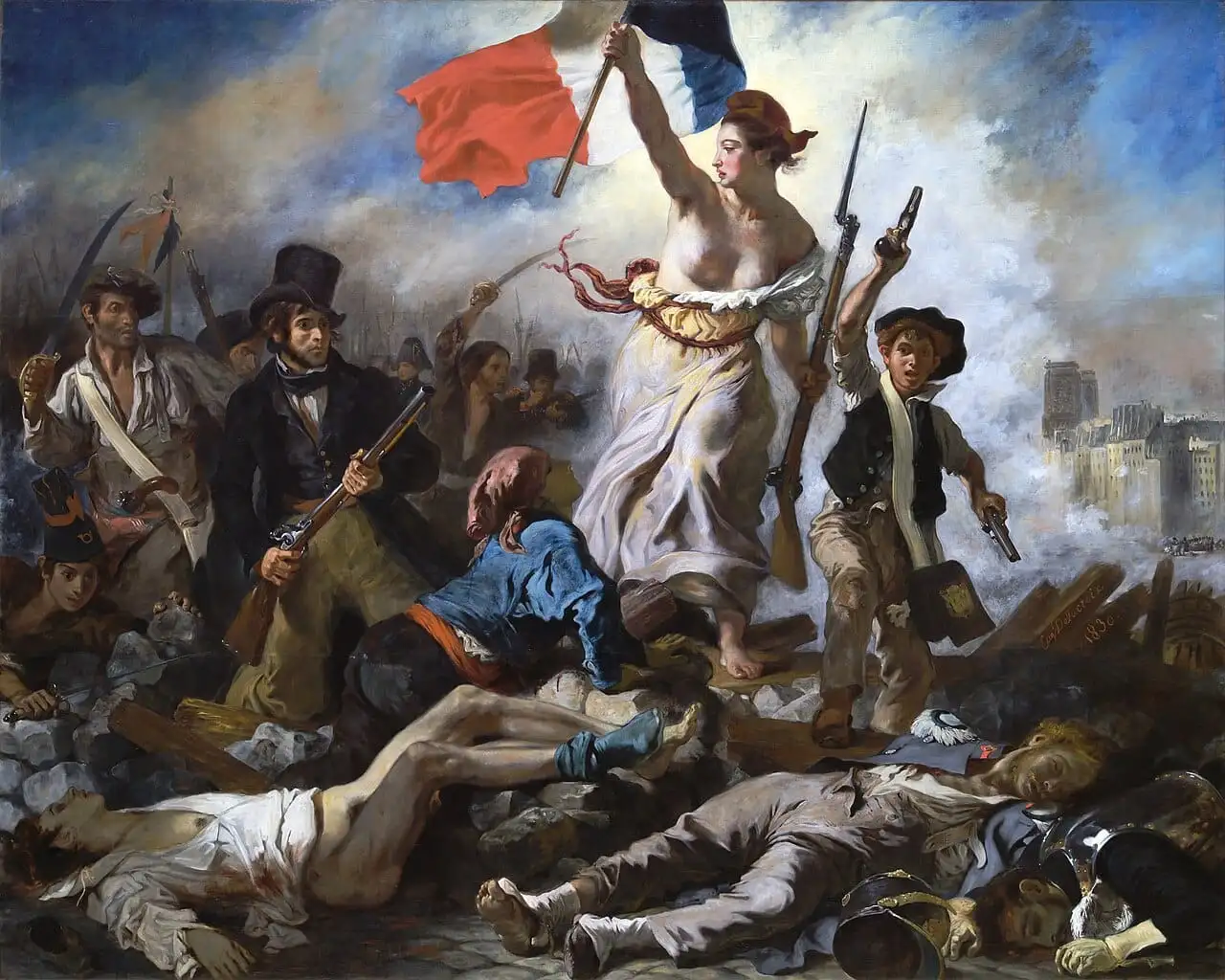
Eugène Delacroix · 1830
Liberty Leading the People
Mini · Petite · Small · Medium · Large · Extra Large
From $10.82 USD
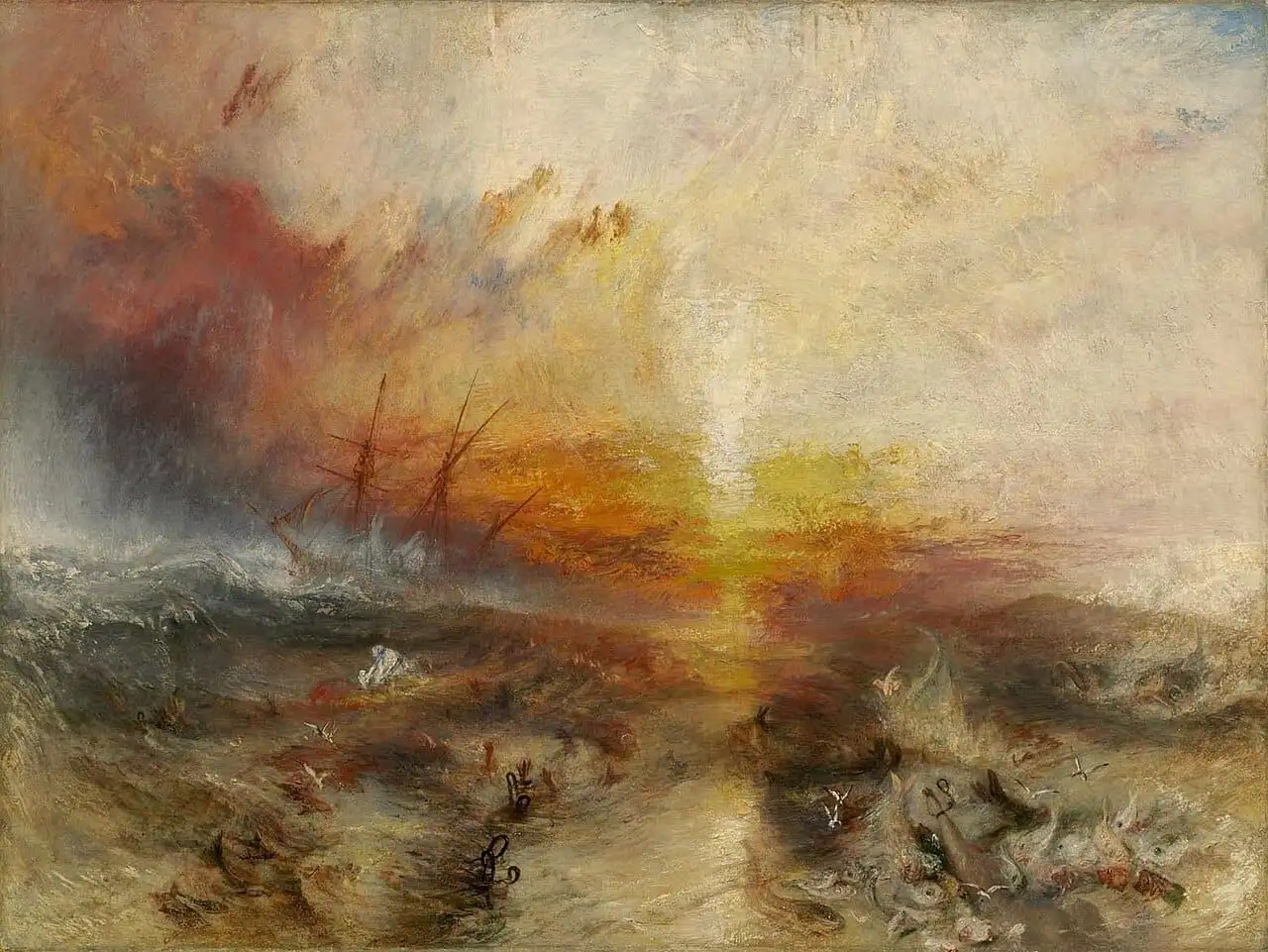
J. M. W. Turner · 1840
The Slave Ship
Mini
From $10.82 USD