J. M. W. Turner · 1839
The Fighting Temeraire
Posters from $10.82 USD · Canvas from $28.14 USD
Ships anywhere in the USA
Turner's elegy to the age of sail — the warship Temeraire, hero of Trafalgar, towed up the Thames at sunset to be broken up. Voted Britain's greatest painting.
Up to 21.5 × 16 in · landscape
Size
Larger sizes are unavailable for this painting because the source scan's resolution wouldn't print at gallery quality.
Format & finish
Archival cotton canvas stretched over a wooden frame. Ready to hang as-is. No external frame.
Scale next to a 5'10" person
No sales tax added at checkout
Visa · Mastercard · Amex · Discover · Apple Pay · Google Pay
Materials & quality
›Canvas & inks
Giclée-printed on archival cotton canvas with fade-resistant pigment inks, hand-stretched over wooden bars. Gallery-wrapped — ready to hang with no extra frame needed.
›Floater frame
Hand-finished solid wood floater frame in five finishes. The canvas sits inside with a clean shadow gap — the way galleries hang contemporary canvas.
›Posters
Premium archival paper — 200 gsm soft matte or 230 gsm vibrant glossy. Ships flat or rolled, ready for your own frame.
›Faithful to the source
Printed from the highest-resolution museum and archive scans available. Each painting's maximum size is capped at what its source scan can support at gallery quality.
The story of The Fighting Temeraire
The Fighting Temeraire, tugged to her last berth to be broken up, 1838 is an oil-on-canvas painting by the English artist Joseph Mallord William Turner, painted in 1838 and exhibited at the Royal Academy in 1839.
Adapted from Wikipedia, available under CC BY-SA 4.0.
J. M. W. Turner
Joseph Mallord William Turner, known in his time as William Turner, was an English Romantic painter, printmaker and watercolourist. He is known for his expressive colouring, imaginative landscapes and turbulent, often violent marine paintings. His artistic style developed over his lifetime, moving away from Romanticism—bypassing the following rising style of Realism—and, instead, with his later works being a significant precursor of and presaging the later Impressionist and Abstract Art movements that arose in the decades after his death. He left behind more than 550 oil paintings, 2,000 watercolours, and 30,000 works on paper. He was championed by the leading English art critic John Ruskin from 1840, and is today regarded as having elevated landscape painting to an eminence rivalling history painting. In 1969 art historian Kenneth Clark wrote of Turner: "He was a genius of the first order—far the greatest painter that England has ever produced..."
All J. M. W. Turner prints →Biography adapted from Wikipedia, available under CC BY-SA 4.0.
You may also like
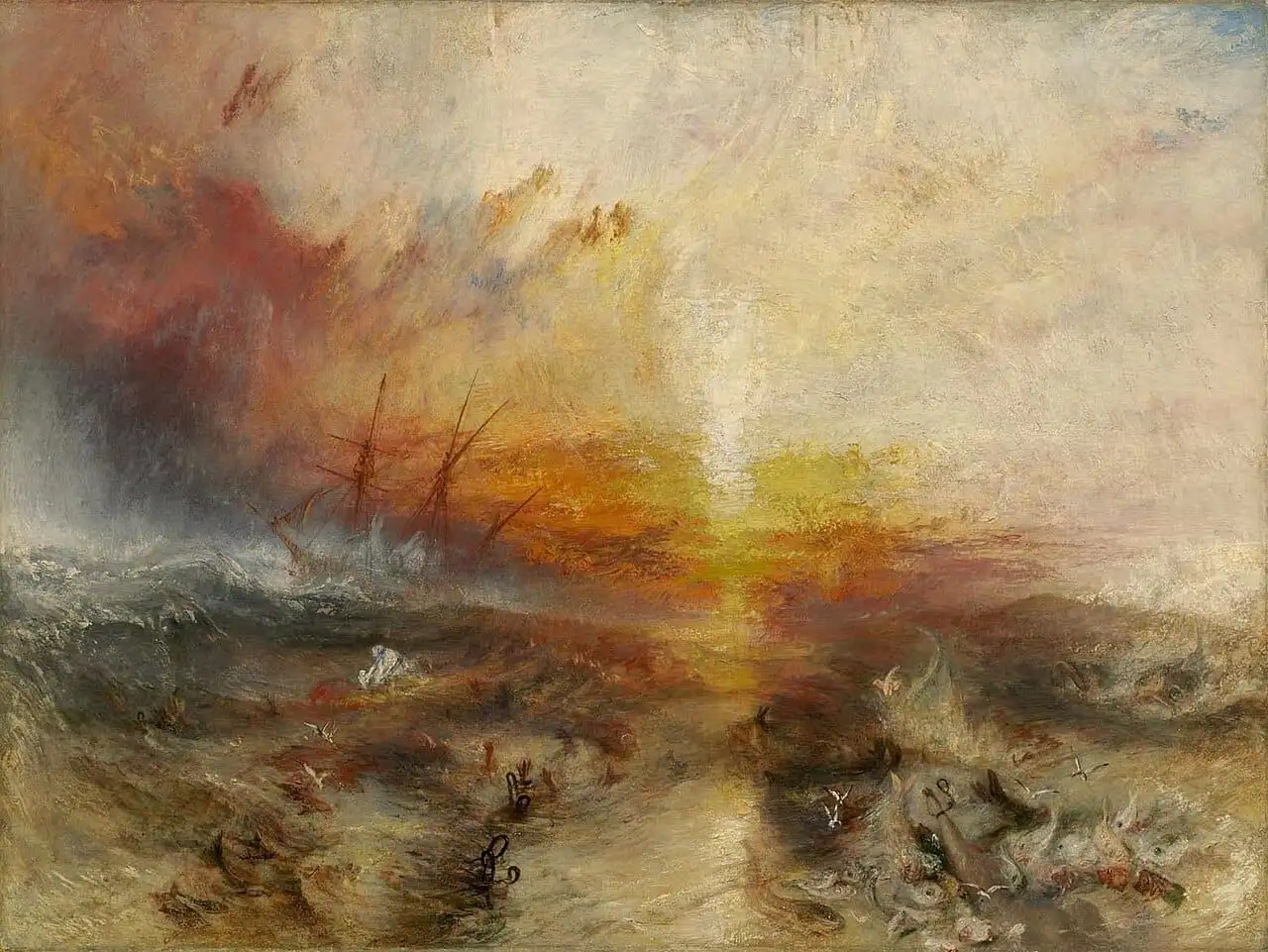
J. M. W. Turner · 1840
The Slave Ship
Mini
From $10.82 USD
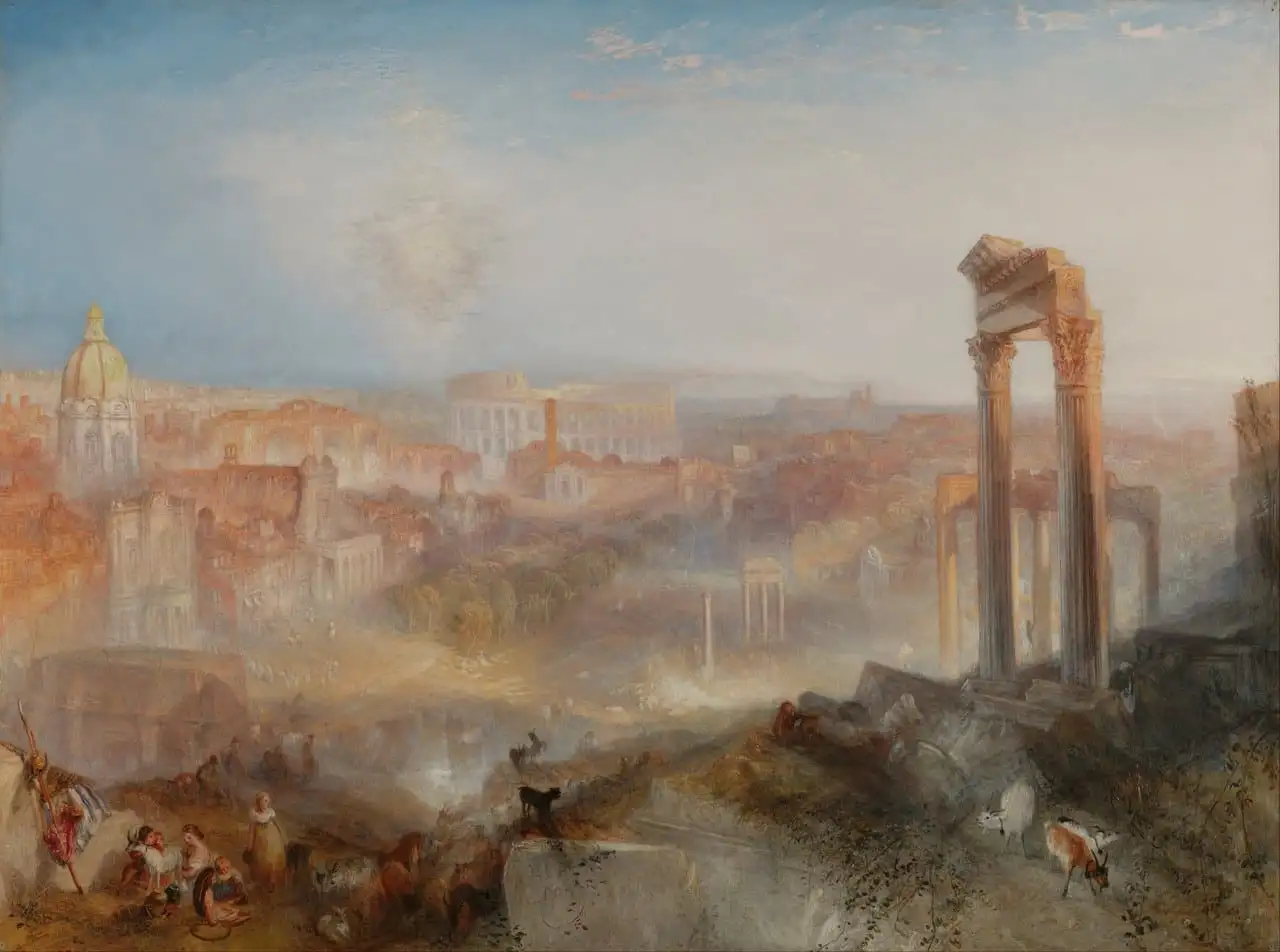
J. M. W. Turner · 1839
Modern Rome — Campo Vaccino
Mini · Petite · Small
From $10.82 USD
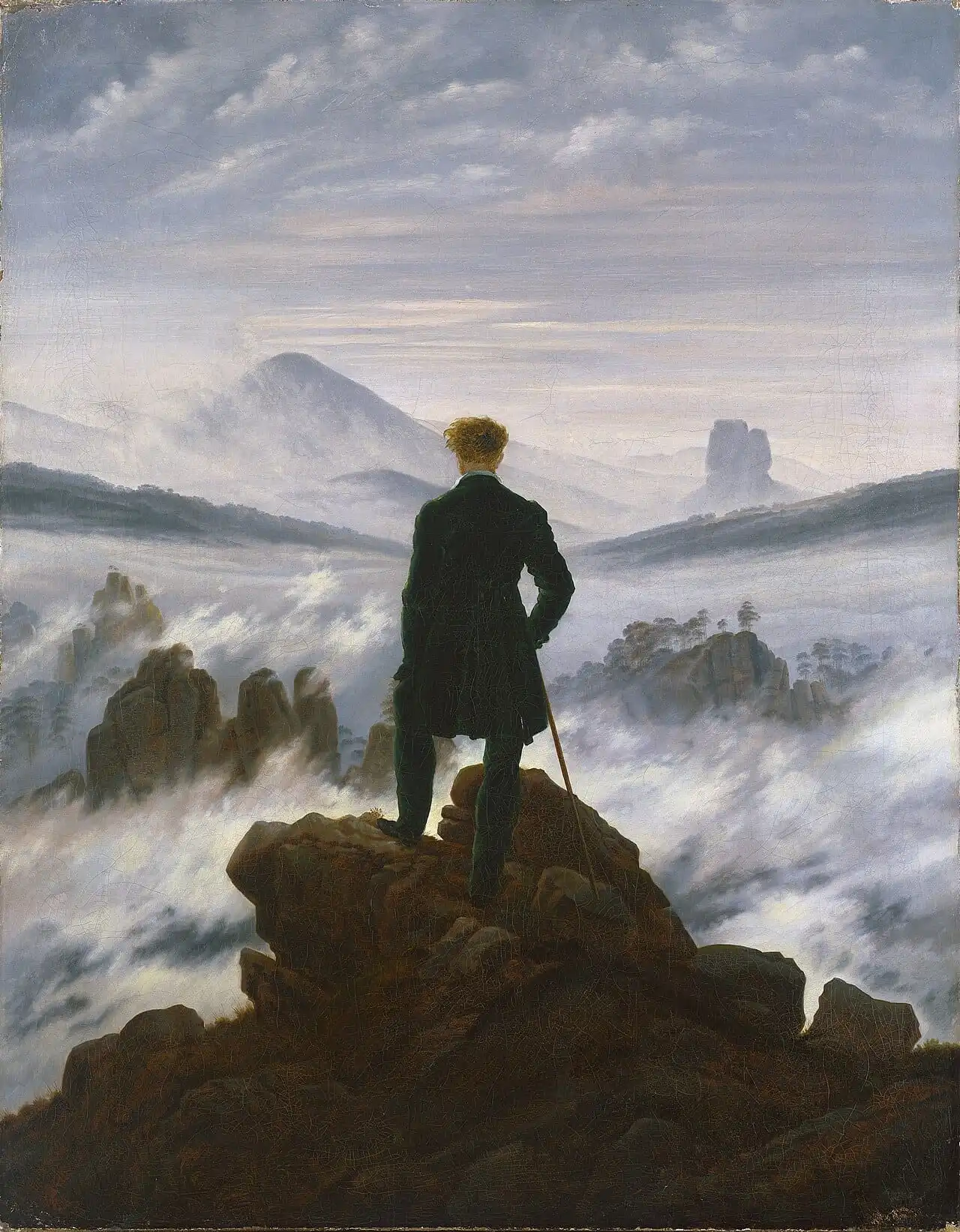
Caspar David Friedrich · 1818
Wanderer above the Sea of Fog
Mini · Petite · Small · Medium
From $10.82 USD
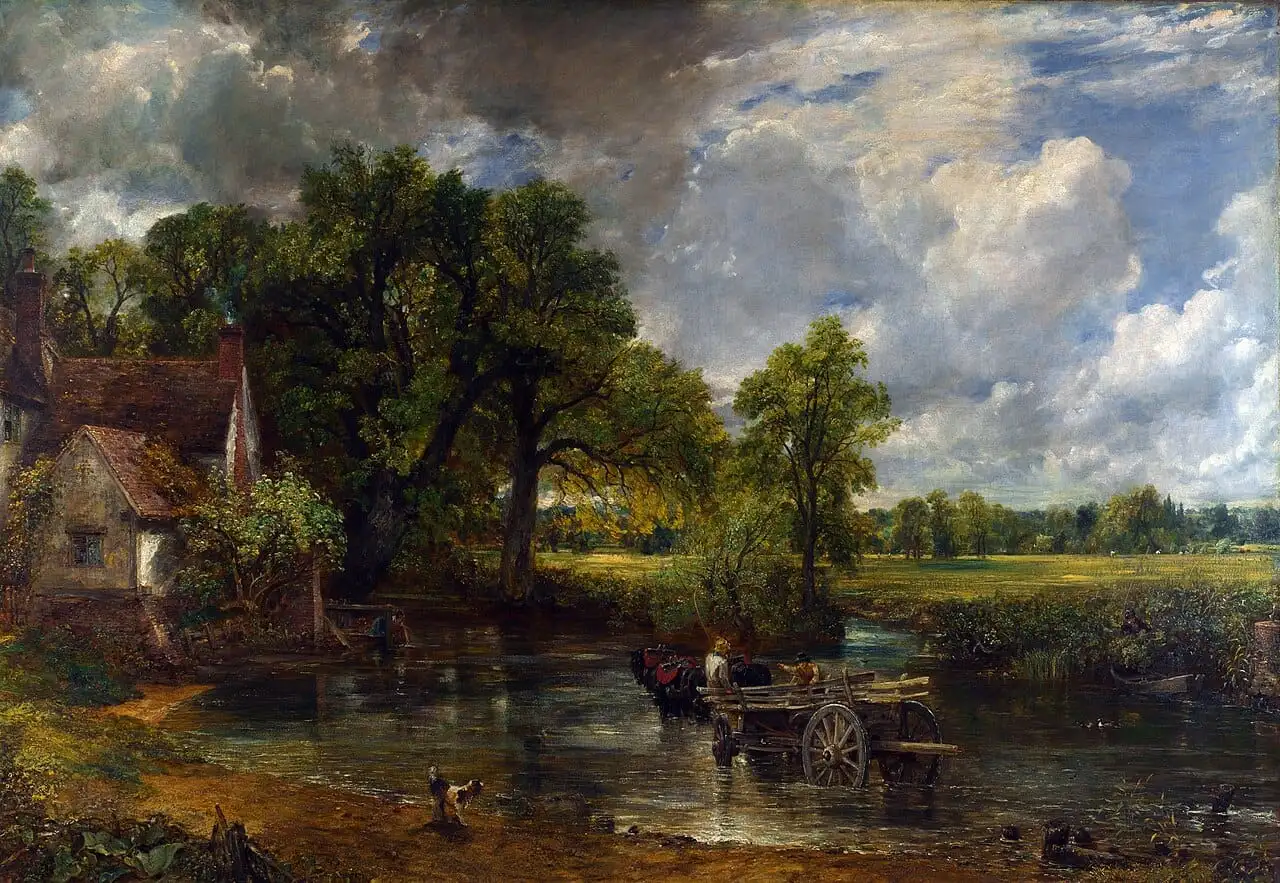
John Constable · 1821
The Hay Wain
Mini · Petite · Small · Medium
From $10.82 USD
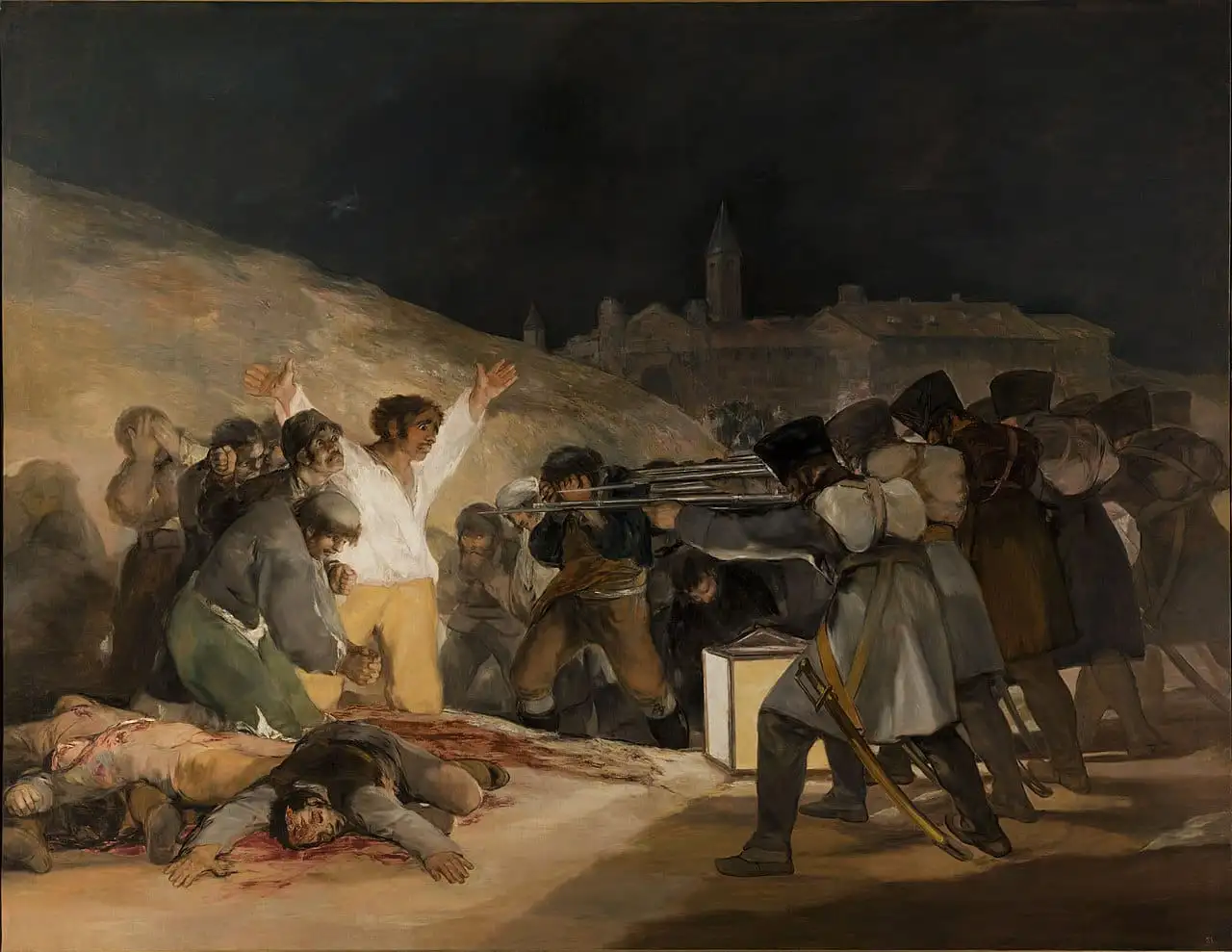
Francisco Goya · 1814
The Third of May 1808
Mini · Petite · Small · Medium · Large · Extra Large
From $10.82 USD
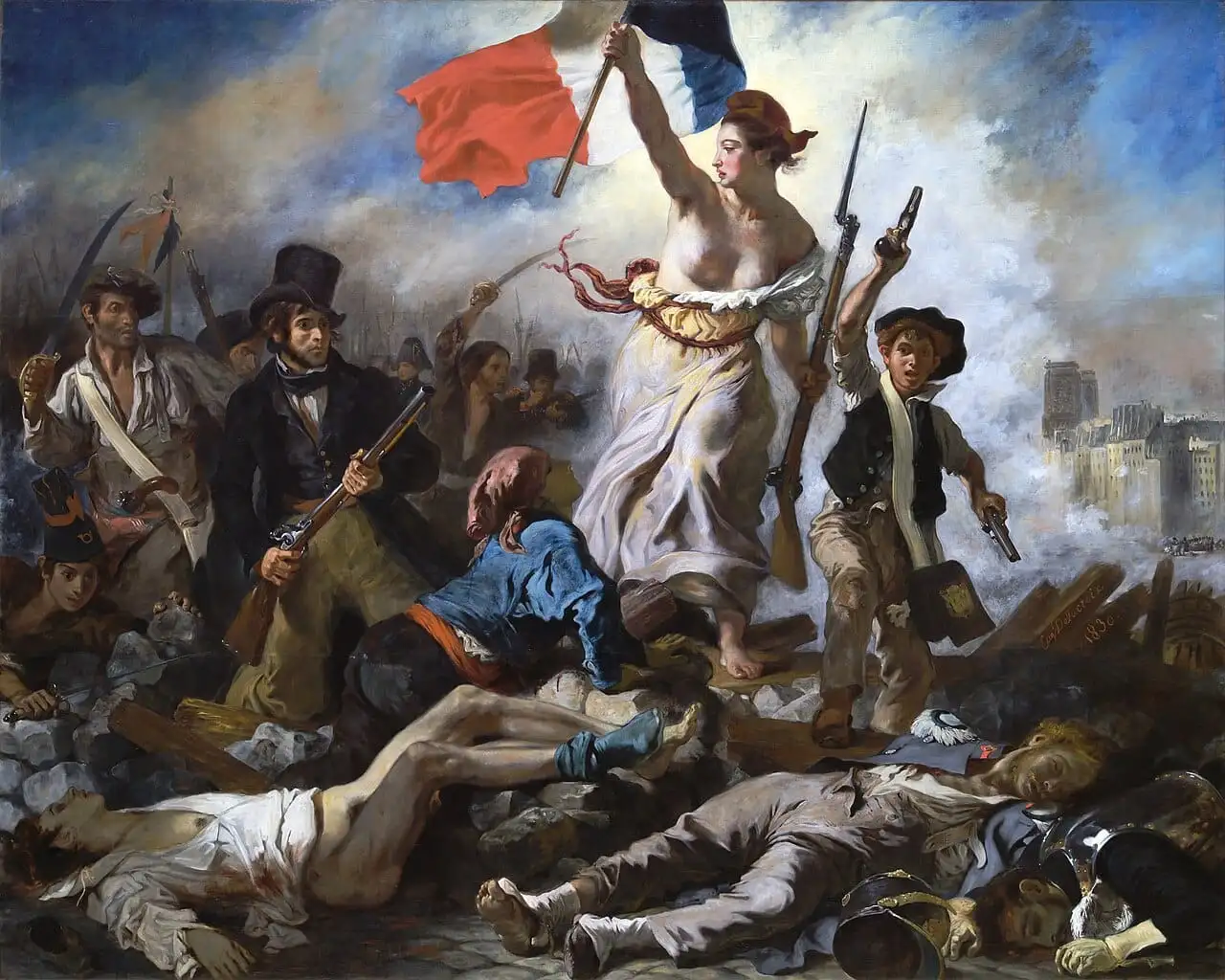
Eugène Delacroix · 1830
Liberty Leading the People
Mini · Petite · Small · Medium · Large · Extra Large
From $10.82 USD