Eugène Delacroix · 1830
Liberty Leading the People
Posters from $10.82 USD · Canvas from $28.14 USD
Ships anywhere in the USA
Delacroix's monumental allegory of the July Revolution — bare-chested Liberty, tricolor in hand, leading citizens over the barricades. The visual icon of revolutionary France.
Up to 45 × 36 in · landscape
Size
Format & finish
Archival cotton canvas stretched over a wooden frame. Ready to hang as-is. No external frame.
Scale next to a 5'10" person
No sales tax added at checkout
Visa · Mastercard · Amex · Discover · Apple Pay · Google Pay
Materials & quality
›Canvas & inks
Giclée-printed on archival cotton canvas with fade-resistant pigment inks, hand-stretched over wooden bars. Gallery-wrapped — ready to hang with no extra frame needed.
›Floater frame
Hand-finished solid wood floater frame in five finishes. The canvas sits inside with a clean shadow gap — the way galleries hang contemporary canvas.
›Posters
Premium archival paper — 200 gsm soft matte or 230 gsm vibrant glossy. Ships flat or rolled, ready for your own frame.
›Faithful to the source
Printed from the highest-resolution museum and archive scans available. Each painting's maximum size is capped at what its source scan can support at gallery quality.
The story of Liberty Leading the People
A bare-breasted woman in a yellow dress strides over a barricade of paving stones and bodies with the French tricolor in one hand and a musket in the other, and a crowd follows her: a boy with two pistols, a man in a top hat with a rifle, a worker with a saber, all of them coming straight at you through smoke. Delacroix painted it in the autumn of 1830, weeks after the July Revolution that put a new king on the throne, and it is in the Louvre. The woman is Liberty, not a person, but the boy, the top hat, and the dead are painted from life.
On a wall, this is a big, smoky, warm painting with a flag in it. The dominant colors are gray-brown smoke and rubble, the yellow of Liberty's dress, and the red, white, and blue of the flag, which is the only clean color in the picture. It suits a study, a den, a library, a dining room, or a hallway, and it fits traditional, academic, masculine, and history-minded interiors. It is a nearly square image with a lot happening in it. The Extra Large at 45 × 36 in makes the crowd feel like it is coming into the room; the Large at 30 × 24 in is right above a sofa or a sideboard, and the Medium at 20 × 16 in works above a desk.
Delacroix's The Death of Sardanapalus is his other wall-sized drama. Géricault's The Raft of the Medusa is the painting it answers, and Goya's The Third of May 1808 is the other great picture of ordinary people and guns. More from Eugène Delacroix.
Printed in our studio from a public-domain photograph of the Louvre canvas, keeping the smoky browns true rather than brightening the scene.
Eugène Delacroix
Ferdinand Victor Eugène Delacroix was a French Romantic artist who was regarded as the leader of the French Romantic school.
All Eugène Delacroix prints →Biography adapted from Wikipedia, available under CC BY-SA 4.0.
You may also like
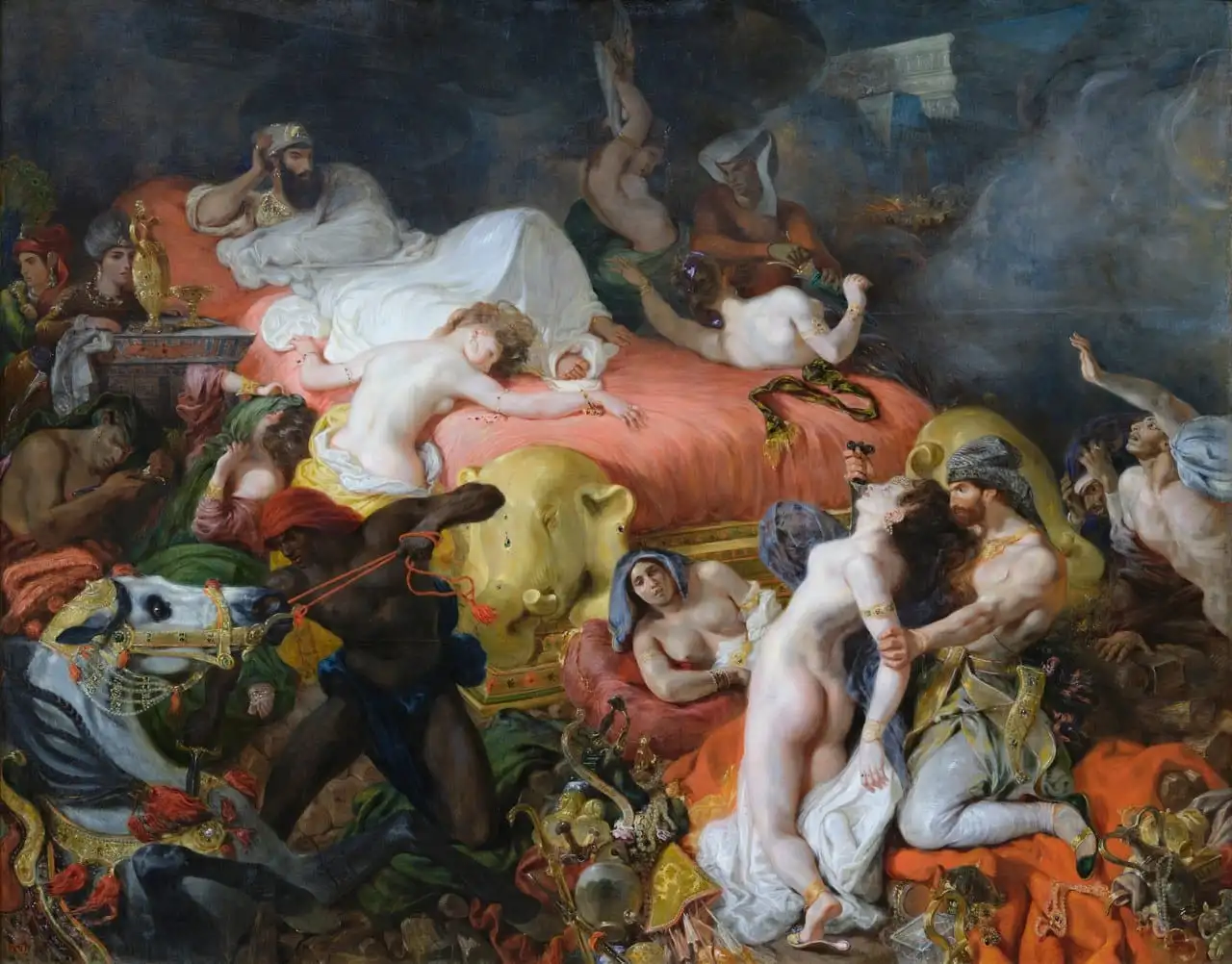
Eugène Delacroix · 1827
The Death of Sardanapalus
Mini · Petite · Small · Medium · Large · Extra Large
From $10.82 USD
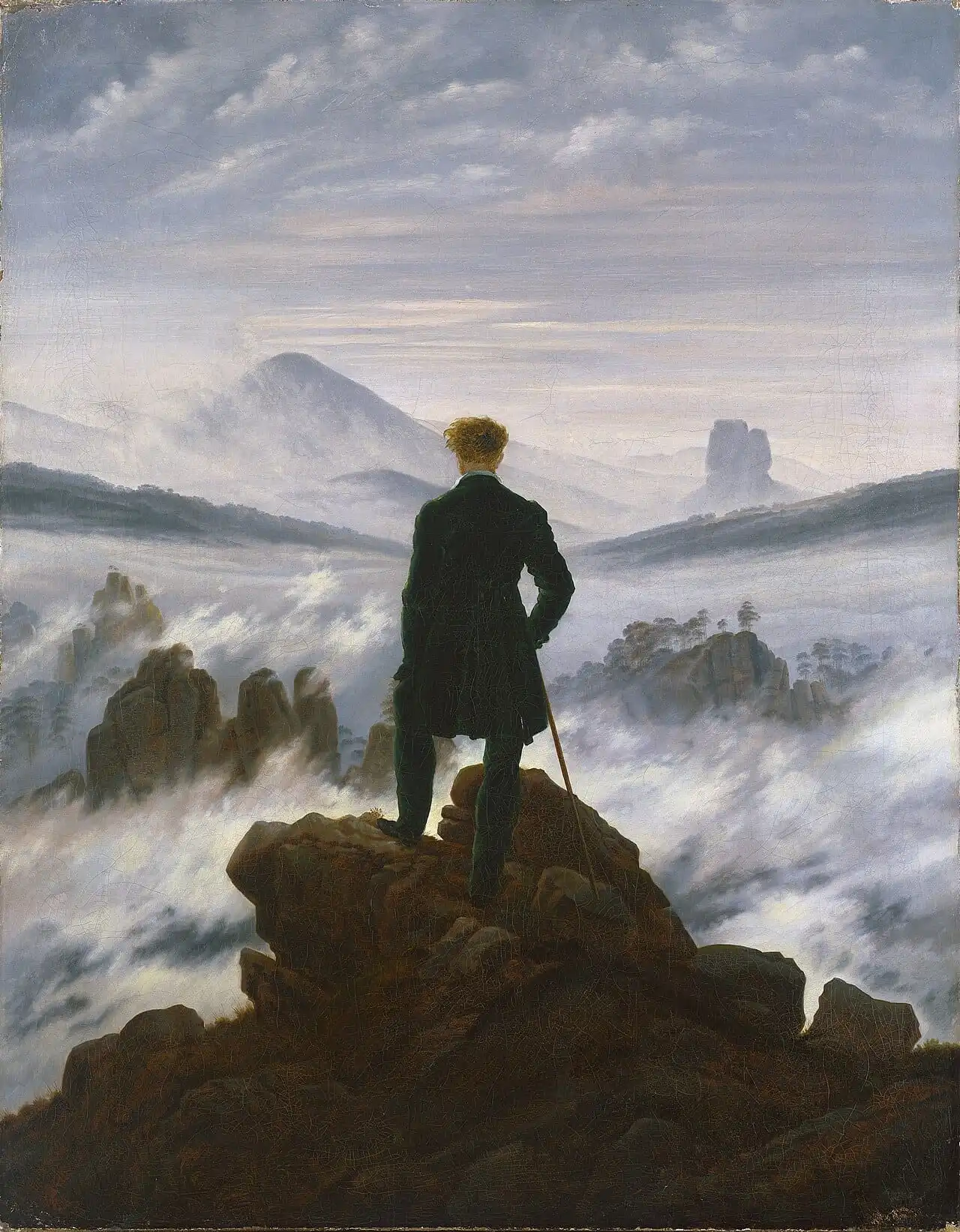
Caspar David Friedrich · 1818
Wanderer above the Sea of Fog
Mini · Petite · Small · Medium
From $10.82 USD
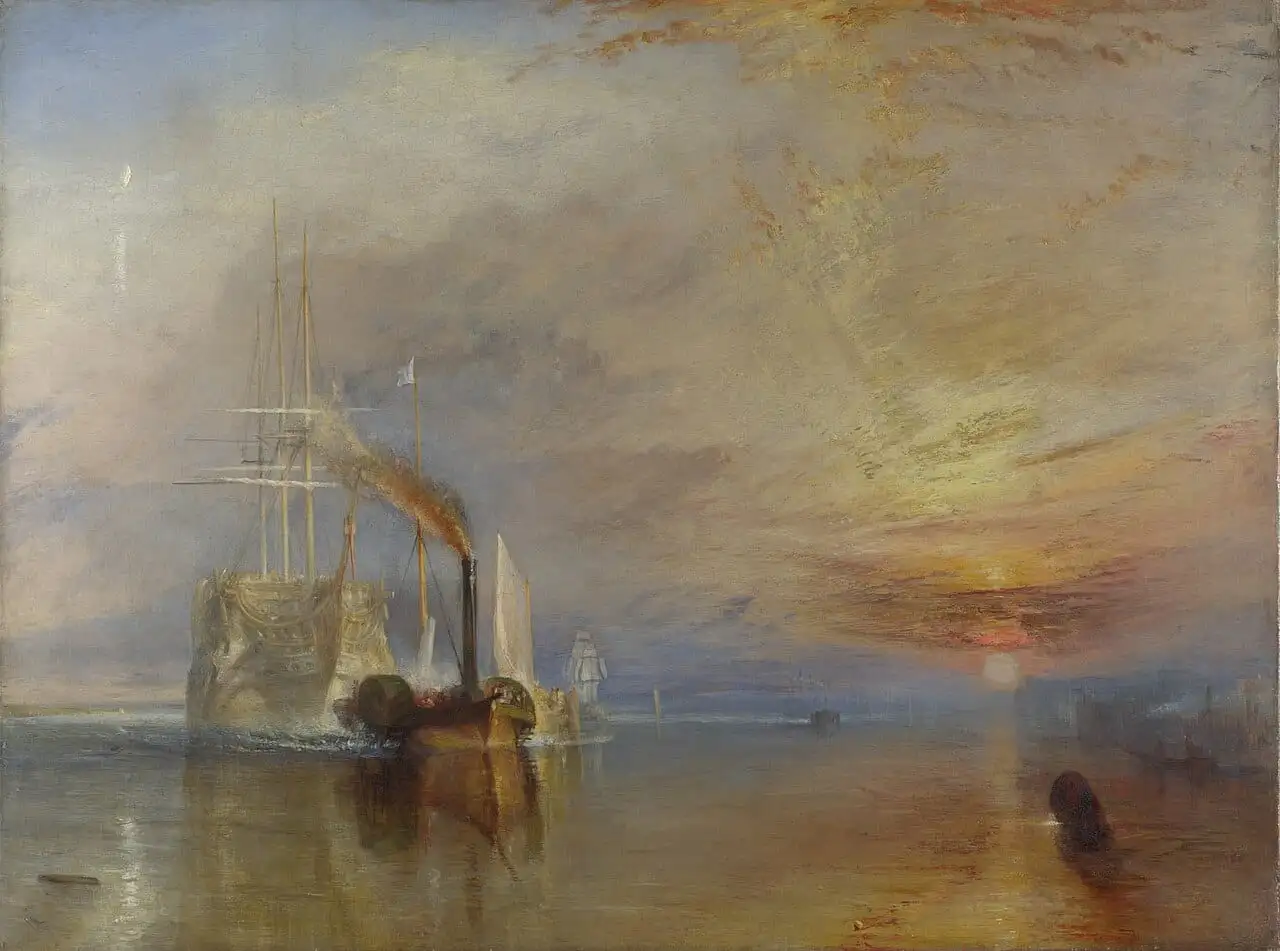
J. M. W. Turner · 1839
The Fighting Temeraire
Mini · Petite · Small · Medium
From $10.82 USD
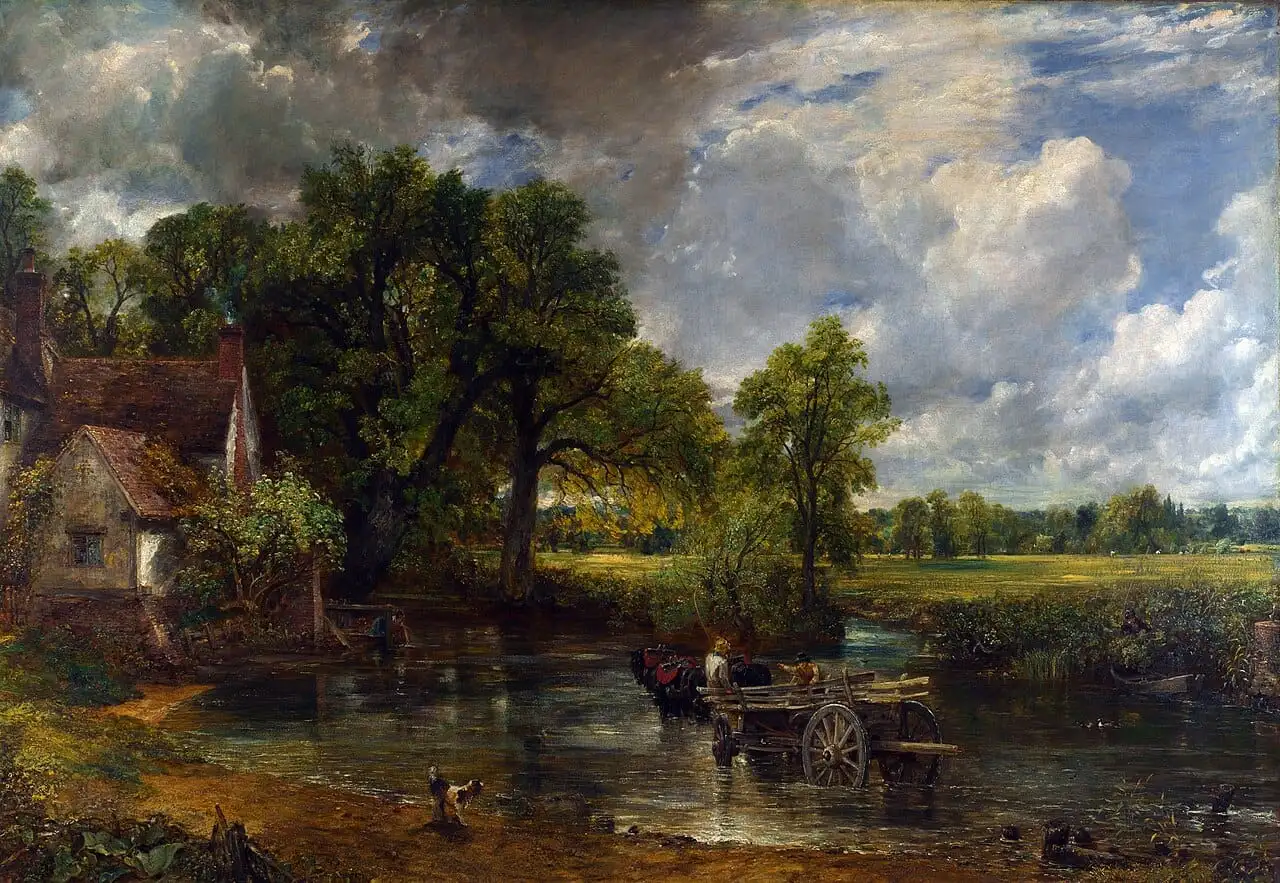
John Constable · 1821
The Hay Wain
Mini · Petite · Small · Medium
From $10.82 USD
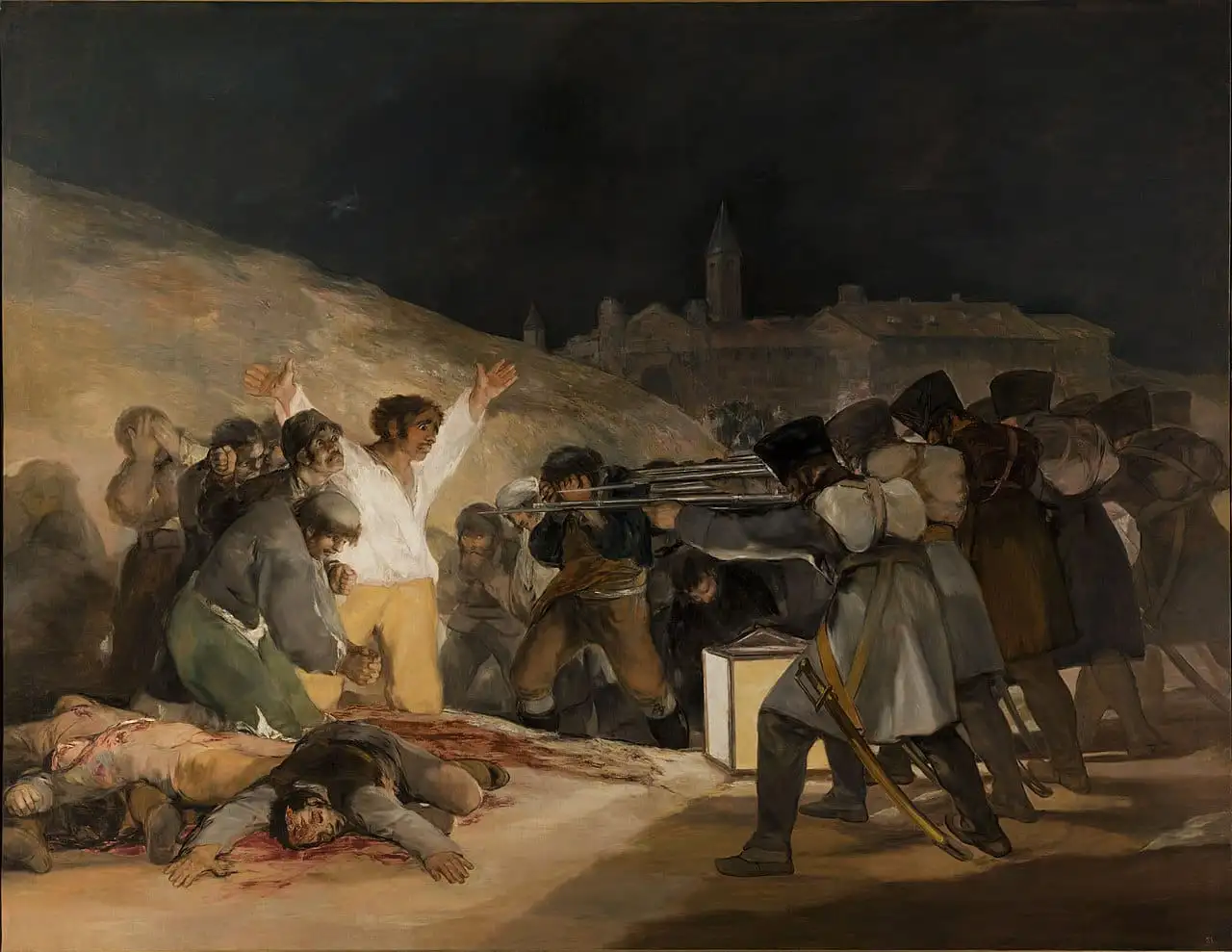
Francisco Goya · 1814
The Third of May 1808
Mini · Petite · Small · Medium · Large · Extra Large
From $10.82 USD

Caspar David Friedrich · 1823–24
The Sea of Ice
Mini · Petite · Small
From $10.82 USD