William Blake · 1795
Newton
Posters from $10.82 USD · Canvas from $28.14 USD
Ships anywhere in the USA
Isaac Newton naked on the ocean floor, drawing geometric diagrams on a scroll with a pair of compasses — Blake's image of reason as a kind of imprisonment. Tate Britain.
Up to 15.6 × 12 in · landscape
Size
Larger sizes are unavailable for this painting because the source scan's resolution wouldn't print at gallery quality.
Format & finish
Archival cotton canvas stretched over a wooden frame. Ready to hang as-is. No external frame.
Scale next to a 5'10" person
No sales tax added at checkout
Visa · Mastercard · Amex · Discover · Apple Pay · Google Pay
Materials & quality
›Canvas & inks
Giclée-printed on archival cotton canvas with fade-resistant pigment inks, hand-stretched over wooden bars. Gallery-wrapped — ready to hang with no extra frame needed.
›Floater frame
Hand-finished solid wood floater frame in five finishes. The canvas sits inside with a clean shadow gap — the way galleries hang contemporary canvas.
›Posters
Premium archival paper — 200 gsm soft matte or 230 gsm vibrant glossy. Ships flat or rolled, ready for your own frame.
›Faithful to the source
Printed from the highest-resolution museum and archive scans available. Each painting's maximum size is capped at what its source scan can support at gallery quality.
The story of Newton
Newton is a monotype by the English poet, painter and printmaker William Blake first completed in 1795, but reworked and reprinted in 1805. It is one of the 12 "Large Colour Prints" or "Large Colour Printed Drawings" created between 1795 and 1805, which also include his series of images on the biblical ruler Nebuchadnezzar.
Adapted from Wikipedia, available under CC BY-SA 4.0.
William Blake
William Blake was an English poet, painter and printmaker. Largely unrecognised during his life, Blake has become a seminal figure in the history of the poetry and visual art of the Romantic Age. What he called his "prophetic works" were said by the 20th-century critic Northrop Frye to form "what is in proportion to its merits the least read body of poetry in the English language". While he lived in London his entire life, except for three years spent in Felpham, he produced a diverse and symbolically rich collection of works, which embraced the imagination as "the body of God", or "human existence itself".
All William Blake prints →Biography adapted from Wikipedia, available under CC BY-SA 4.0.
You may also like
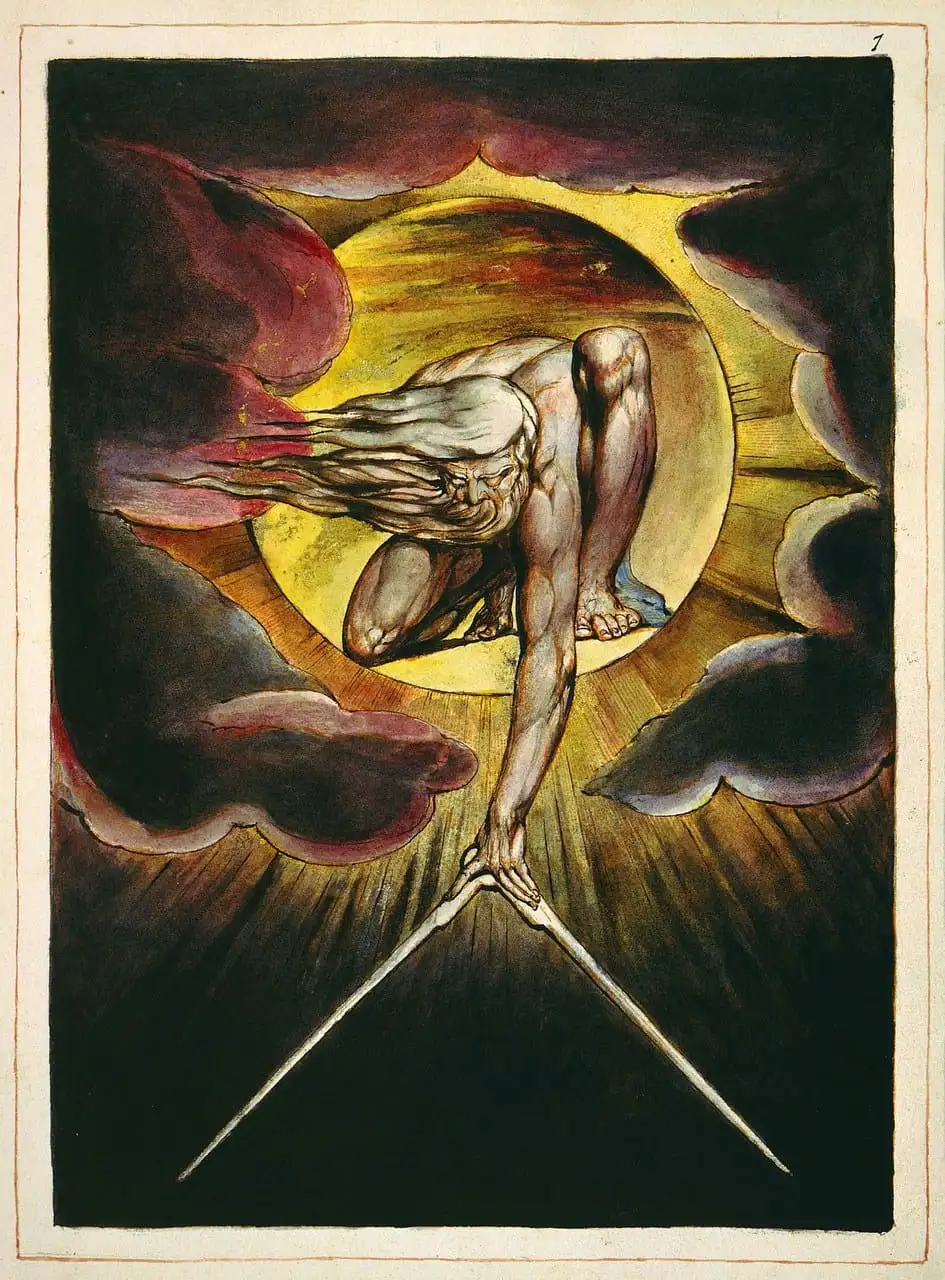
William Blake · 1794
The Ancient of Days
Mini · Petite
From $10.82 USD
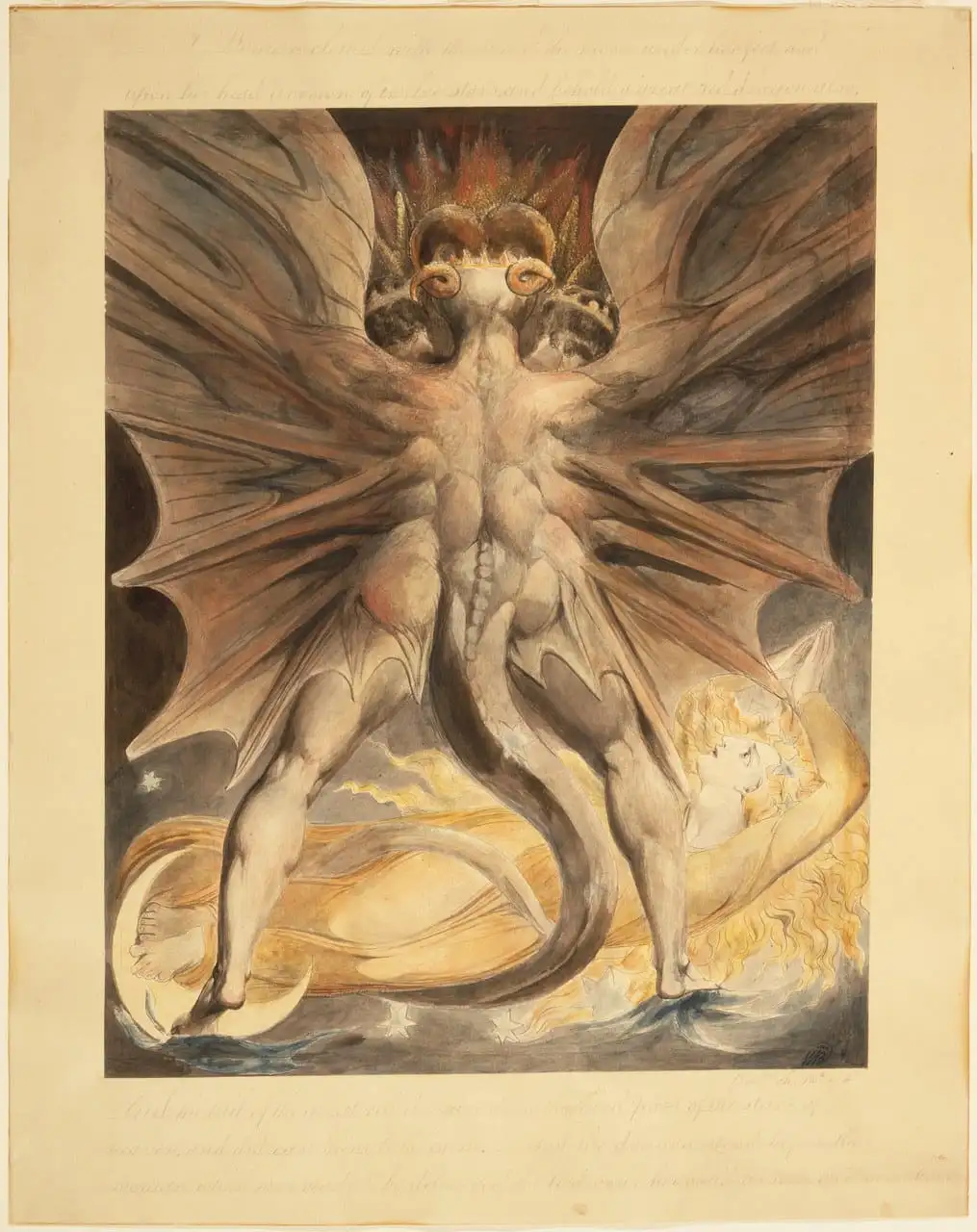
William Blake · c.1805–10
The Great Red Dragon and the Woman Clothed in Sun
Mini
From $10.82 USD
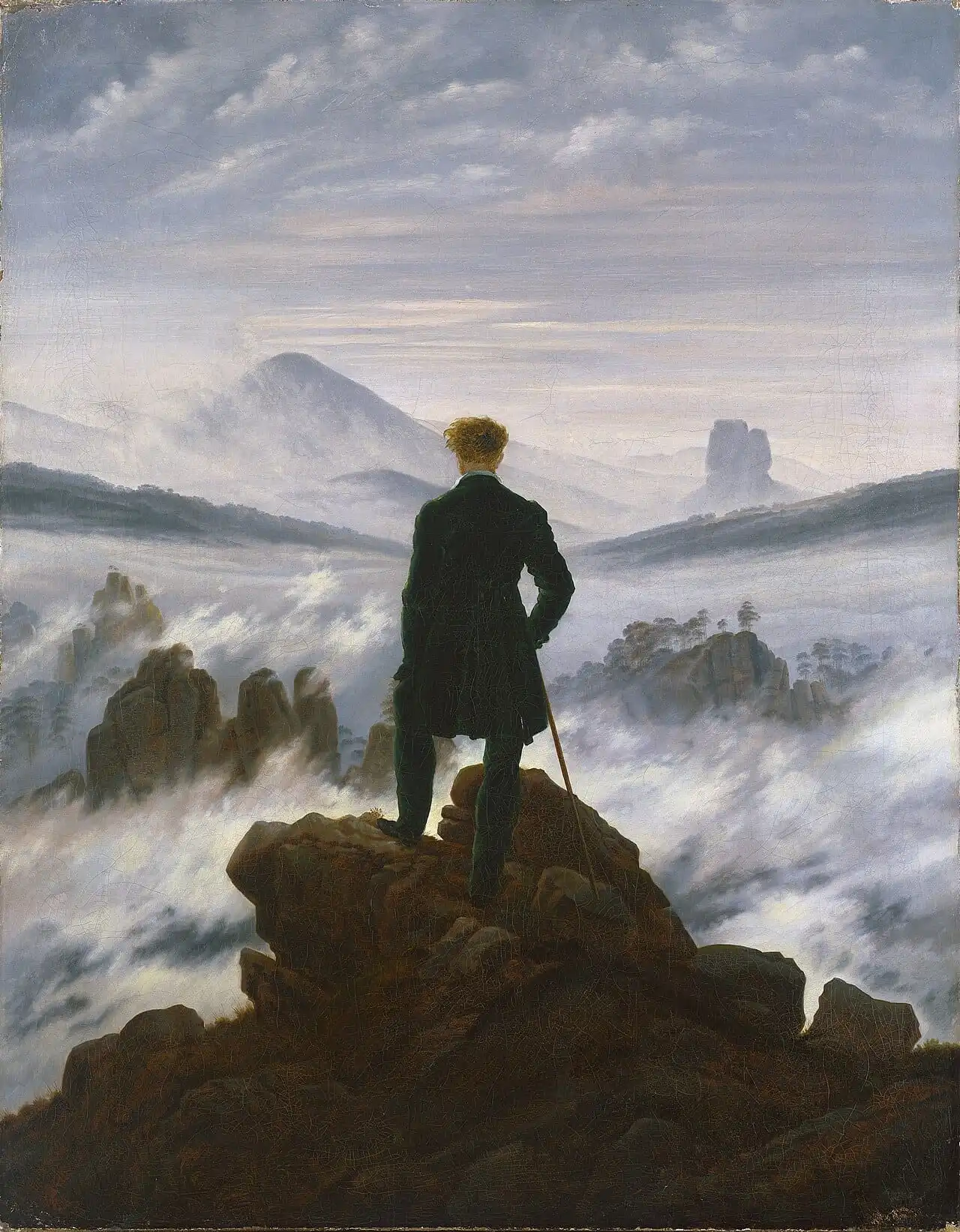
Caspar David Friedrich · 1818
Wanderer above the Sea of Fog
Mini · Petite · Small · Medium
From $10.82 USD
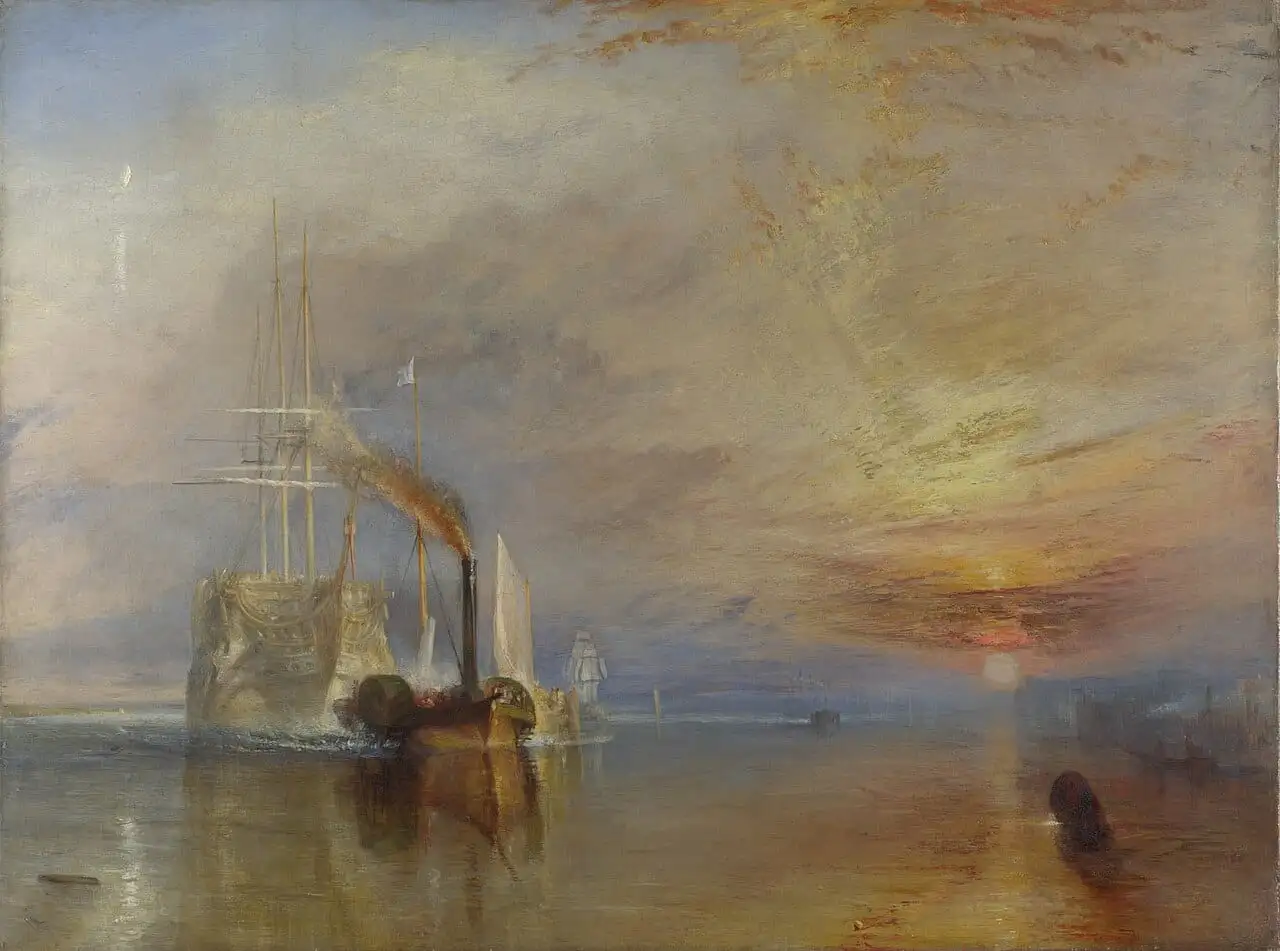
J. M. W. Turner · 1839
The Fighting Temeraire
Mini · Petite · Small · Medium
From $10.82 USD
John Constable · 1821
The Hay Wain
Mini · Petite · Small · Medium
From $10.82 USD
Francisco Goya · 1814
The Third of May 1808
Mini · Petite · Small · Medium · Large · Extra Large
From $10.82 USD