Théodore Géricault · 1818–19
The Raft of the Medusa
Posters from $10.82 USD · Canvas from $28.14 USD
Ships anywhere in the USA
Géricault's monumental shipwreck scene — survivors of the French frigate Méduse heaving toward a distant rescue ship. The defining image of Romantic suffering.
Up to 23.4 × 16 in · landscape
Size
Larger sizes are unavailable for this painting because the source scan's resolution wouldn't print at gallery quality.
Format & finish
Archival cotton canvas stretched over a wooden frame. Ready to hang as-is. No external frame.
Scale next to a 5'10" person
No sales tax added at checkout
Visa · Mastercard · Amex · Discover · Apple Pay · Google Pay
Materials & quality
›Canvas & inks
Giclée-printed on archival cotton canvas with fade-resistant pigment inks, hand-stretched over wooden bars. Gallery-wrapped — ready to hang with no extra frame needed.
›Floater frame
Hand-finished solid wood floater frame in five finishes. The canvas sits inside with a clean shadow gap — the way galleries hang contemporary canvas.
›Posters
Premium archival paper — 200 gsm soft matte or 230 gsm vibrant glossy. Ships flat or rolled, ready for your own frame.
›Faithful to the source
Printed from the highest-resolution museum and archive scans available. Each painting's maximum size is capped at what its source scan can support at gallery quality.
The story of The Raft of the Medusa
The Raft of the Medusa – originally titled Scène de Naufrage – is an oil painting of 1818–1819 by the French Romantic painter and lithographer Théodore Géricault (1791–1824). Completed when the artist was 27, the work has become an icon of French Romanticism. At 491 by 716 cm, it is an over-life-size painting that depicts a moment from the aftermath of the wreck of the French naval frigate Méduse, which ran aground off the coast of today's Mauritania on 2 July 1816. On 5 July 1816, at least 150 people were set adrift on a hurriedly constructed raft; all but 15 died in the 13 days before their rescue, and those who survived endured starvation and dehydration and practiced cannibalism. The event became an international scandal, in part because its cause was widely attributed to the incompetence of the French captain. Géricault chose this large-scale uncommissioned work to launch his career, using a subject that had already generated widespread public interest. The event fascinated him.
Adapted from Wikipedia, available under CC BY-SA 4.0.
Théodore Géricault
Jean-Louis André Théodore Géricault was a French painter and lithographer. His best-known painting is The Raft of the Medusa. Despite his short life, he was one of the pioneers of the Romantic movement.
All Théodore Géricault prints →Biography adapted from Wikipedia, available under CC BY-SA 4.0.
You may also like
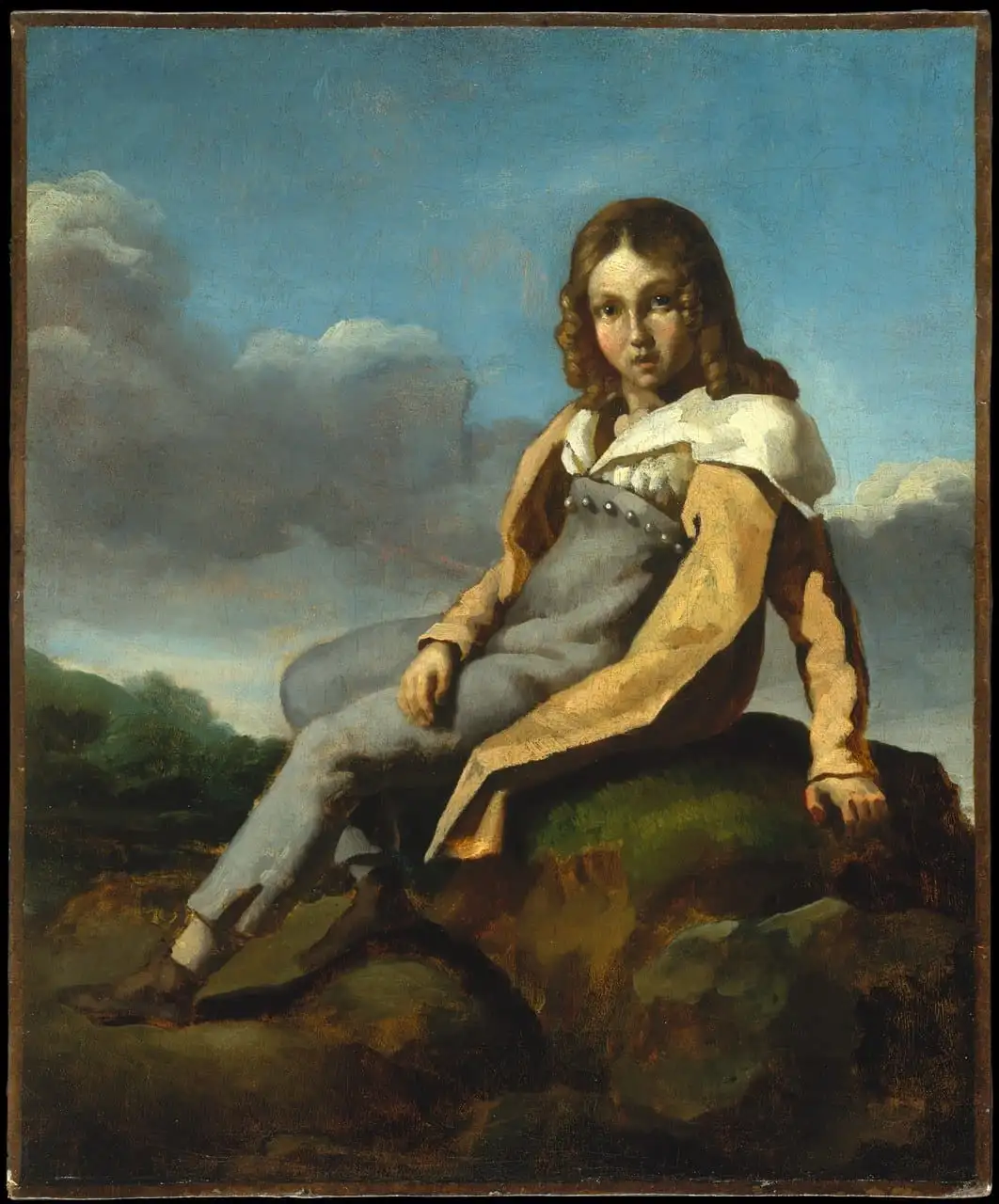
Théodore Géricault · ca. 1819–20
Alfred Dedreux (1810–1860) as a Child
Mini · Petite · Small
From $10.82 USD
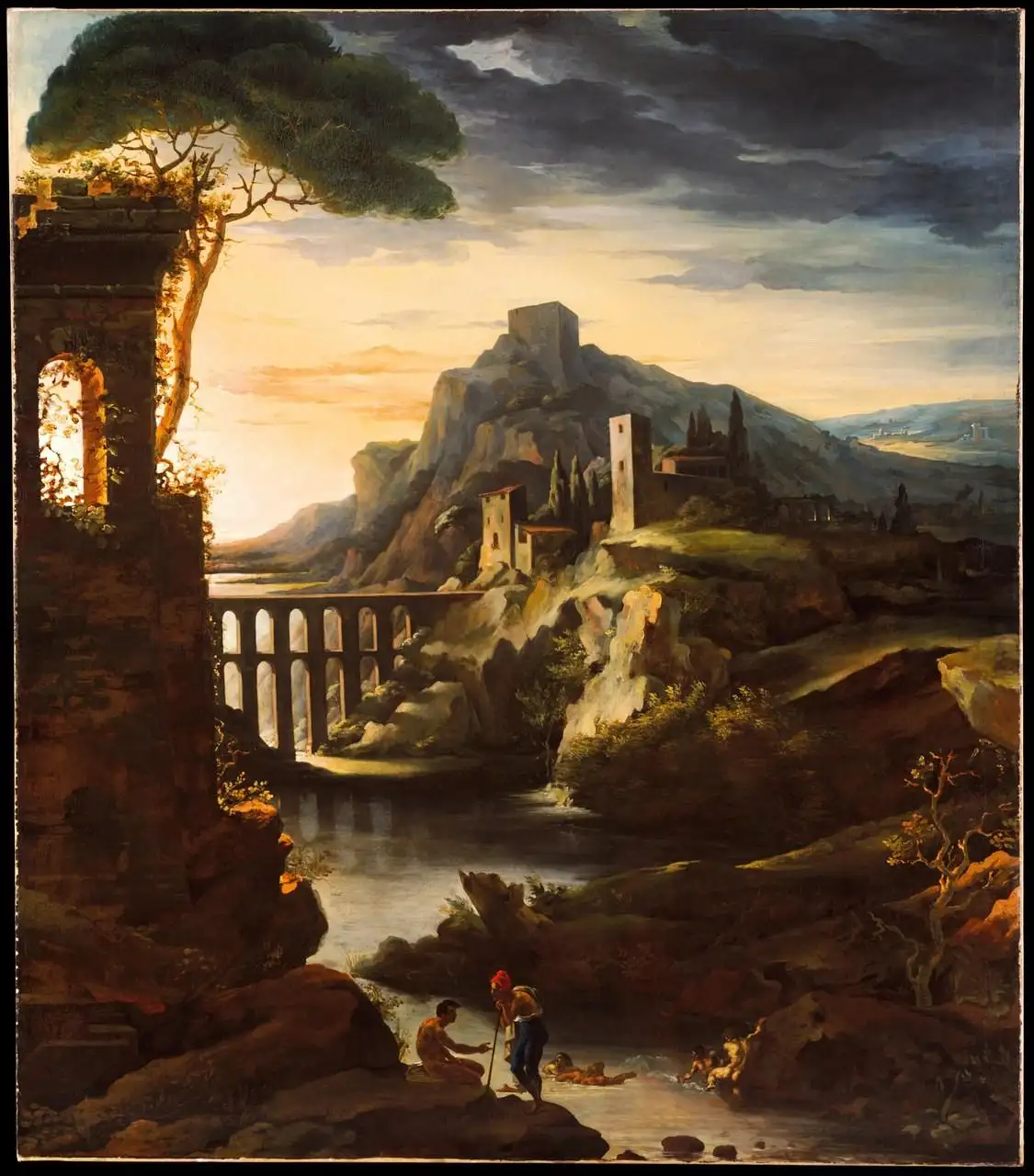
Théodore Géricault · 1818
Evening: Landscape with an Aqueduct
Mini · Petite · Small · Medium
From $10.82 USD

Caspar David Friedrich · 1818
Wanderer above the Sea of Fog
Mini · Petite · Small · Medium
From $10.82 USD
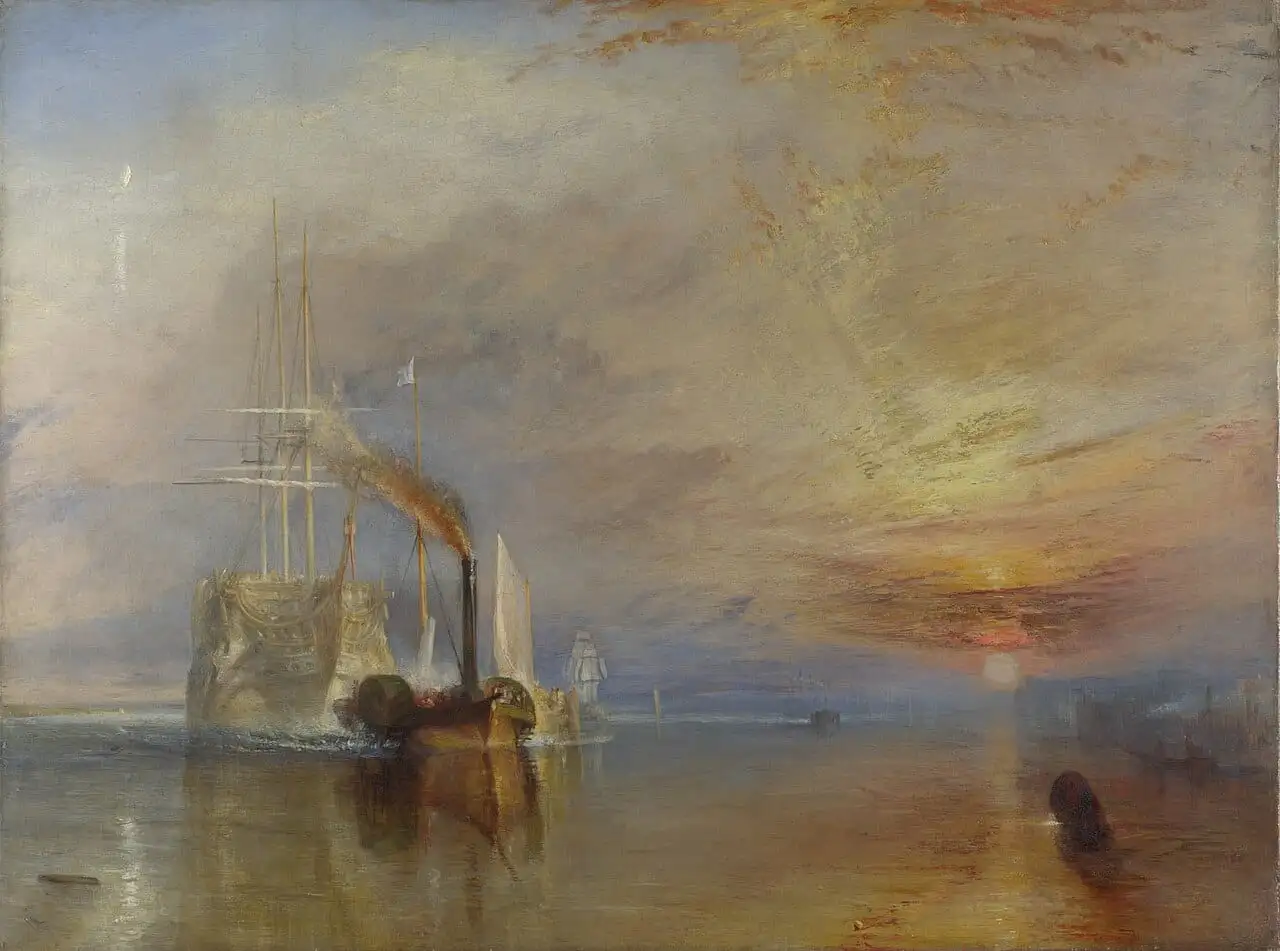
J. M. W. Turner · 1839
The Fighting Temeraire
Mini · Petite · Small · Medium
From $10.82 USD

John Constable · 1821
The Hay Wain
Mini · Petite · Small · Medium
From $10.82 USD
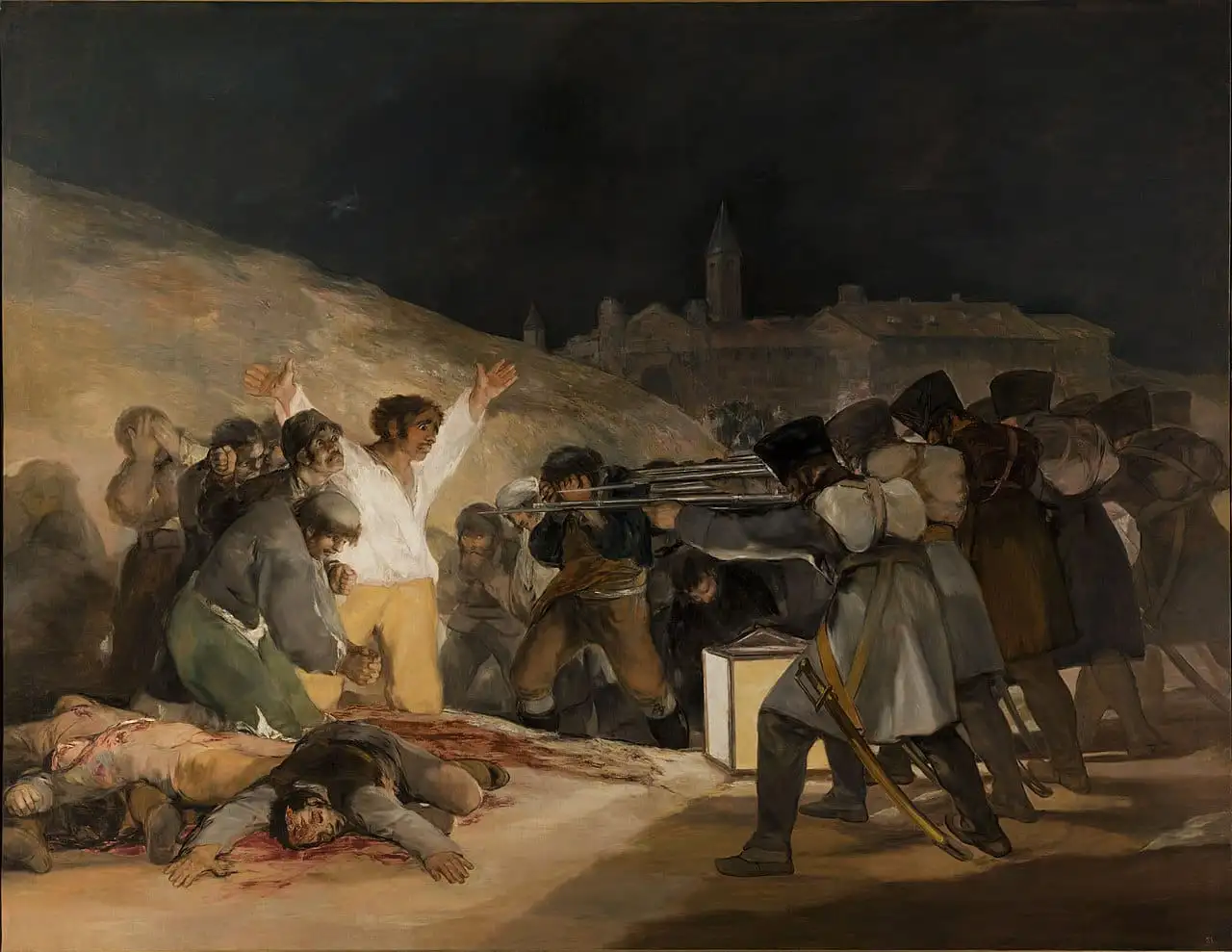
Francisco Goya · 1814
The Third of May 1808
Mini · Petite · Small · Medium · Large · Extra Large
From $10.82 USD