Jean-Léon Gérôme · 1872
Pollice Verso
Posters from $10.82 USD · Canvas from $28.14 USD
Ships anywhere in the USA
Gérôme's Colosseum scene — a gladiator standing over his fallen opponent as Vestal Virgins gesture thumbs-down. The film Gladiator was built around this painting. Phoenix Art Museum.
Up to 11.9 × 8 in · landscape
Size
Larger sizes are unavailable for this painting because the source scan's resolution wouldn't print at gallery quality.
Format & finish
Archival cotton canvas stretched over a wooden frame. Ready to hang as-is. No external frame.
Scale next to a 5'10" person
No sales tax added at checkout
Visa · Mastercard · Amex · Discover · Apple Pay · Google Pay
Materials & quality
›Canvas & inks
Giclée-printed on archival cotton canvas with fade-resistant pigment inks, hand-stretched over wooden bars. Gallery-wrapped — ready to hang with no extra frame needed.
›Floater frame
Hand-finished solid wood floater frame in five finishes. The canvas sits inside with a clean shadow gap — the way galleries hang contemporary canvas.
›Posters
Premium archival paper — 200 gsm soft matte or 230 gsm vibrant glossy. Ships flat or rolled, ready for your own frame.
›Faithful to the source
Printed from the highest-resolution museum and archive scans available. Each painting's maximum size is capped at what its source scan can support at gallery quality.
The story of Pollice Verso
A gladiator in a crested helmet stands with one foot on his fallen opponent and looks up at the box where the Vestal Virgins are leaning over the rail with their thumbs turned down. Behind them the Colosseum rises in tier after tier of faces, and the awning throws colored light across the sand. Gérôme painted it in 1872, researching the armor so carefully that his mistakes became the way everyone pictures Rome. Ridley Scott was shown this painting before he agreed to make Gladiator. It hangs in the Phoenix Art Museum.
On a wall, Pollice Verso is a warm, theatrical picture. The dominant colors are the gold of the sand, the terracotta and cream of the stone, a scatter of red in the awning and the Vestals' robes, and the deep bronze of the armor. It suits a den, a study, a home theater, a hallway, or a boy's room, and it fits classical, masculine, traditional, and library-style interiors. Our source image supports the Mini at 11.9 × 8 in, so treat it as a close-up print: above a desk, on a bookshelf, or as one panel in a wall of history paintings where the detail rewards a lean-in.
Gérôme's The Death of Caesar is his other great Roman crowd scene, Bouguereau's Nymphs and Satyr is the Academic showpiece painted the following year, and Géricault's The Raft of the Medusa is the earlier French painting that taught this generation how to stage a spectacle. More from Jean-Léon Gérôme.
Printed in our studio from a public-domain photograph of the Phoenix canvas, with the crowd in the stands left sharp enough to read.
Jean-Léon Gérôme
Jean-Léon Gérôme was a French painter and sculptor in the style now known as academicism. His paintings were so widely reproduced that he was "arguably the world's most famous living artist by 1880." The range of his works includes historical paintings, Greek mythology, Orientalism, portraits, and other subjects. Gérôme is considered among the most important painters from the academic period and was, with Meissonier and Cabanel, one of "the three most successful artists of the Second Empire".
All Jean-Léon Gérôme prints →Biography adapted from Wikipedia, available under CC BY-SA 4.0.
You may also like
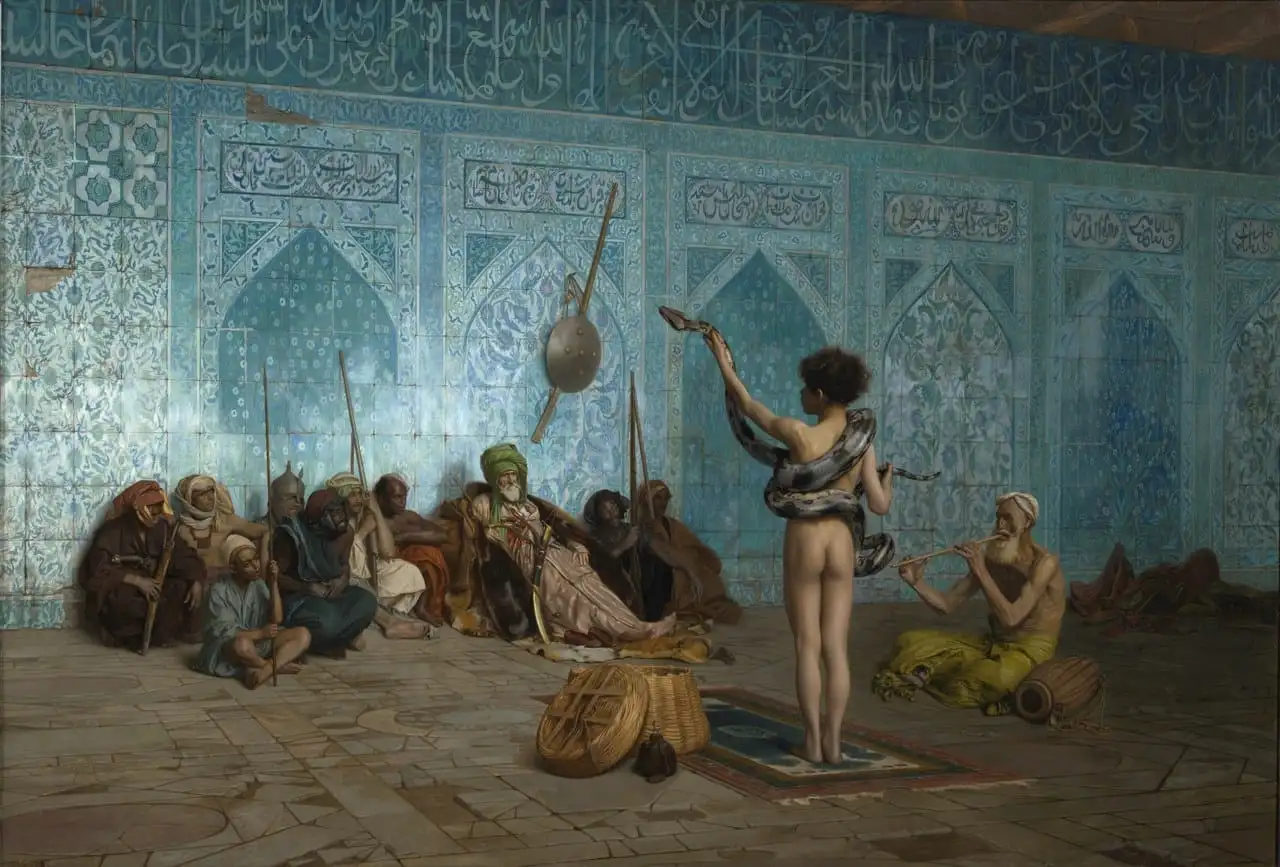
Jean-Léon Gérôme · c.1879
The Snake Charmer
Mini · Petite · Small · Medium
From $10.82 USD
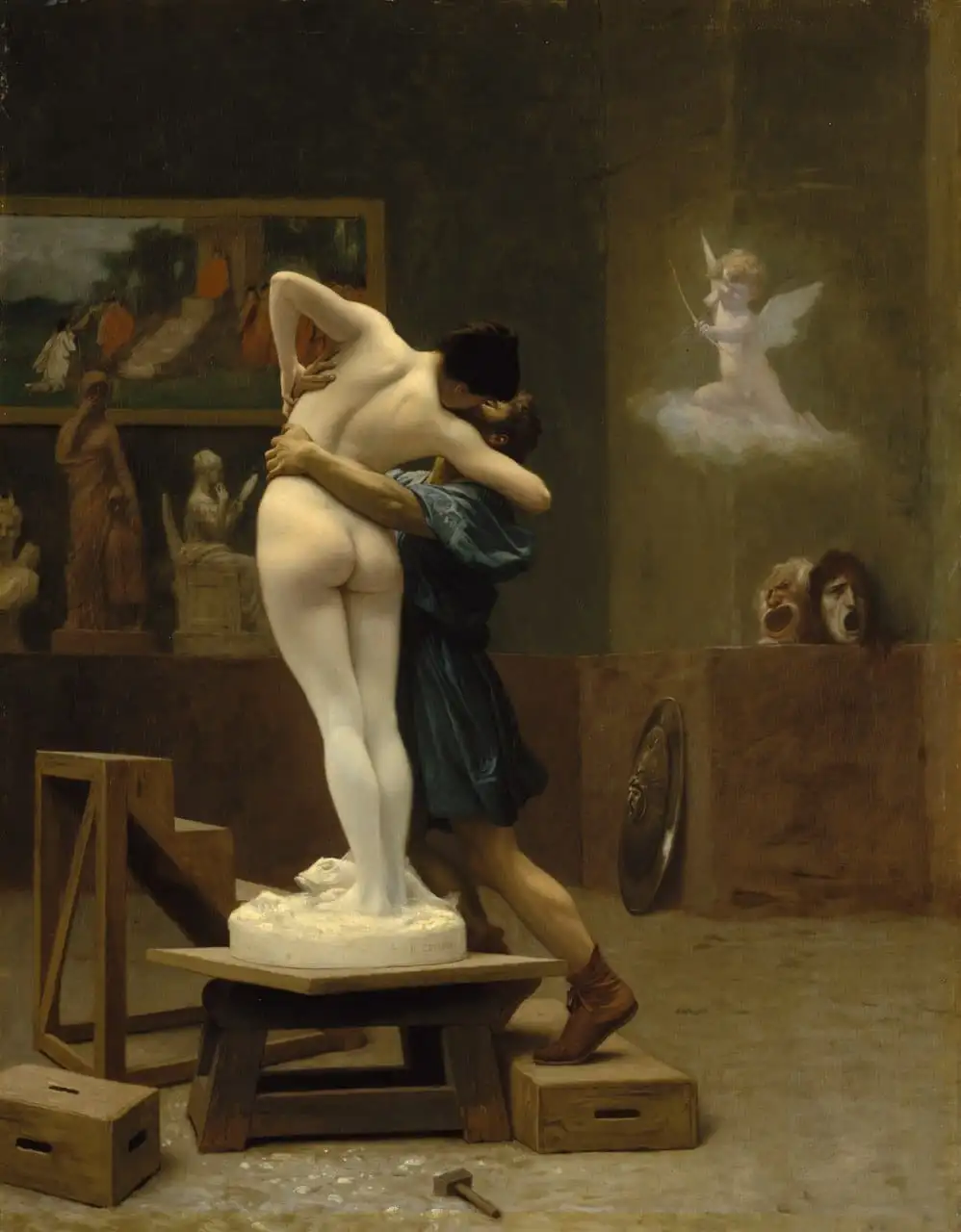
Jean-Léon Gérôme · 1890
Pygmalion and Galatea
Mini · Petite · Small · Medium
From $10.82 USD
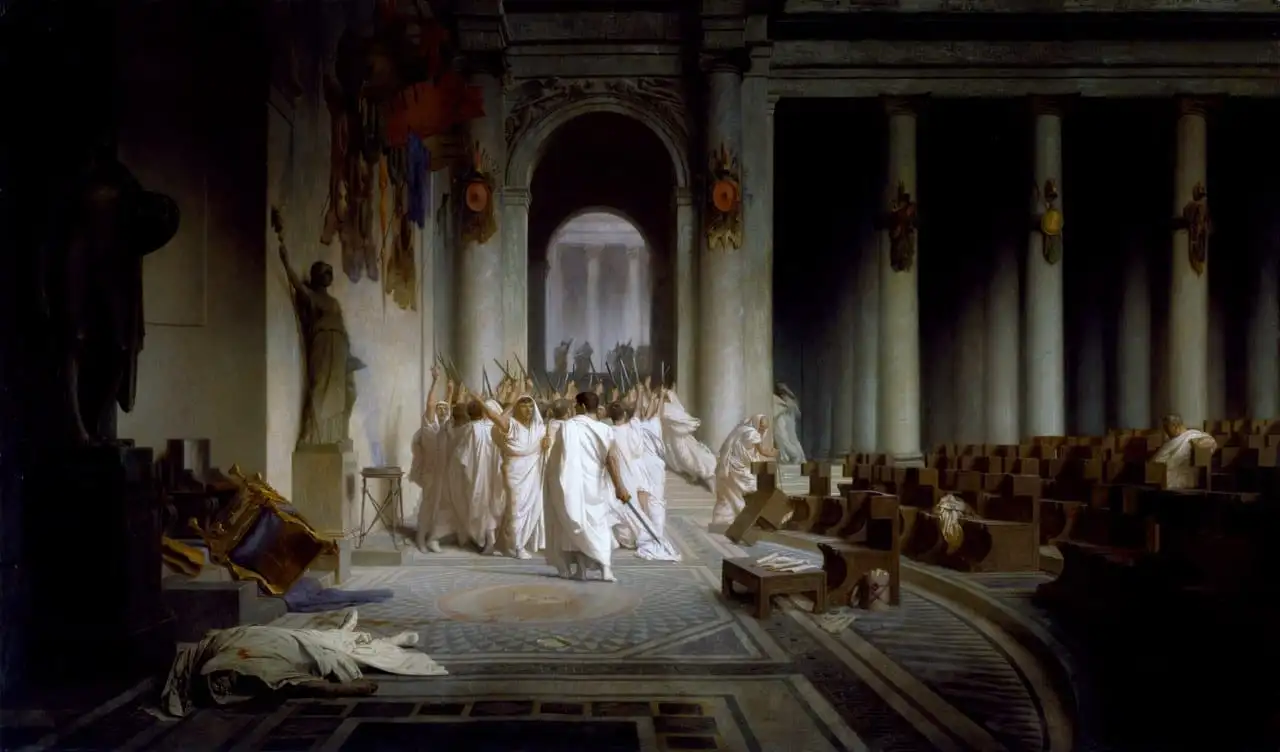
Jean-Léon Gérôme · 1867
The Death of Caesar
Mini
From $10.82 USD
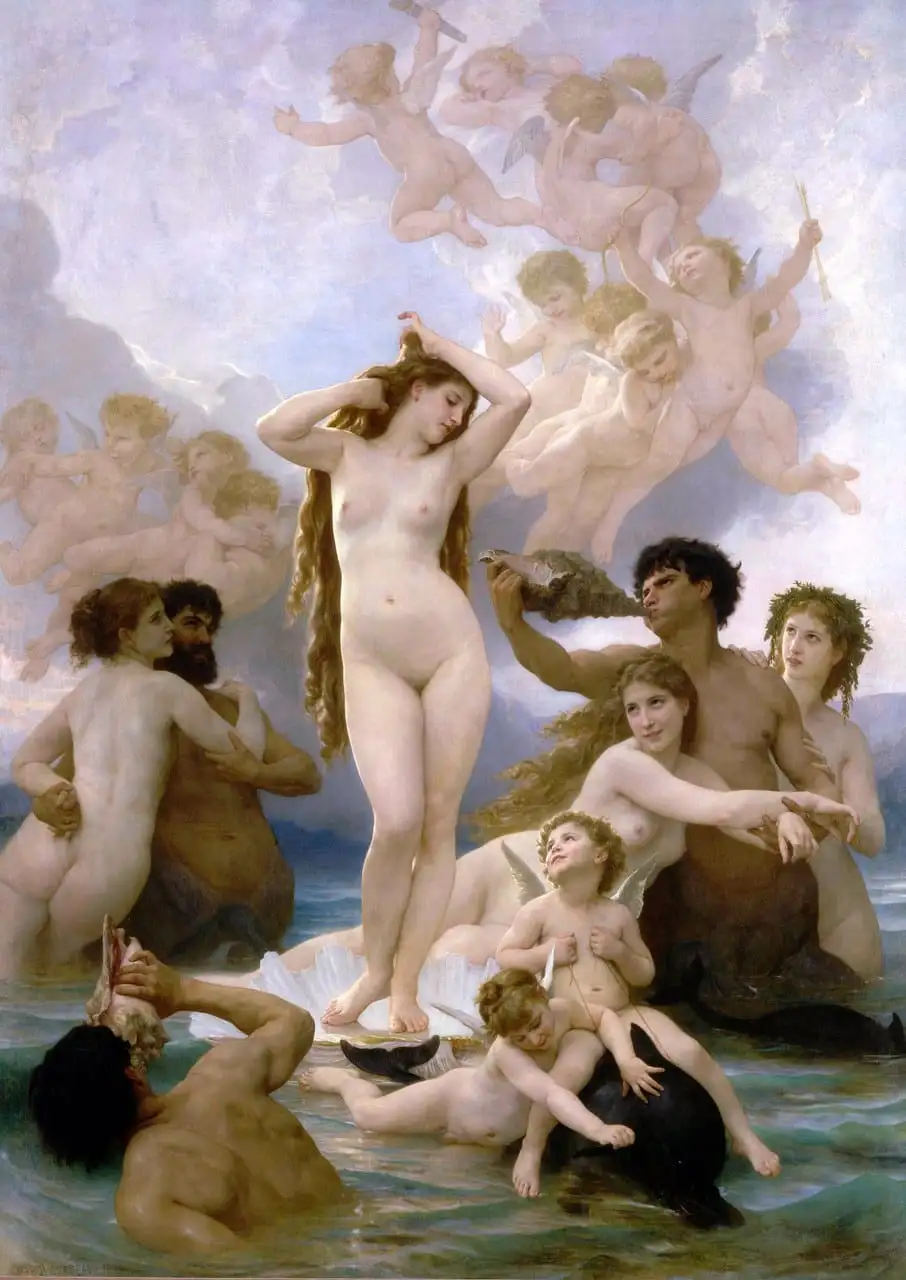
William-Adolphe Bouguereau · 1879
The Birth of Venus
Mini · Petite · Small · Medium
From $10.82 USD
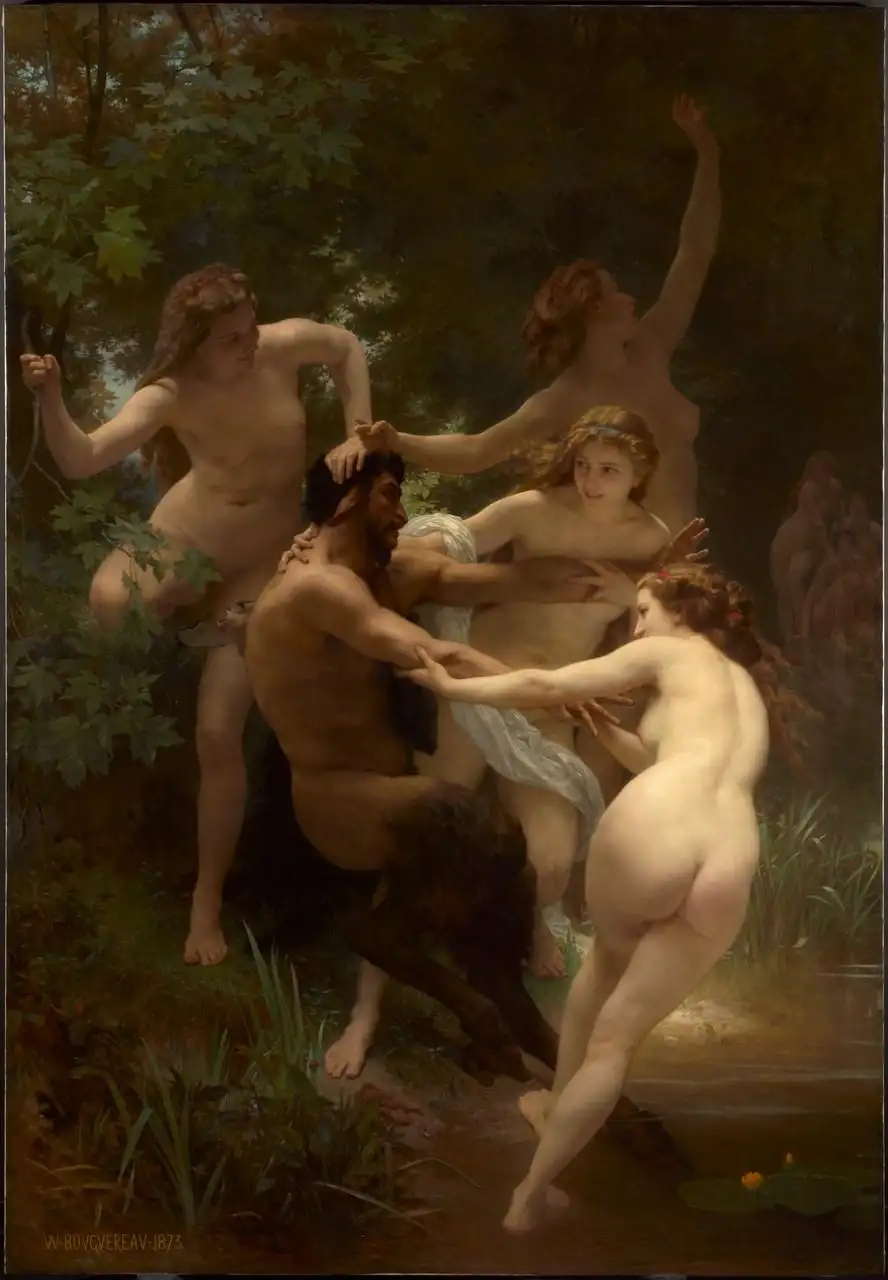
William-Adolphe Bouguereau · 1873
Nymphs and Satyr
Mini · Petite · Small · Medium · Large · Extra Large
From $10.82 USD
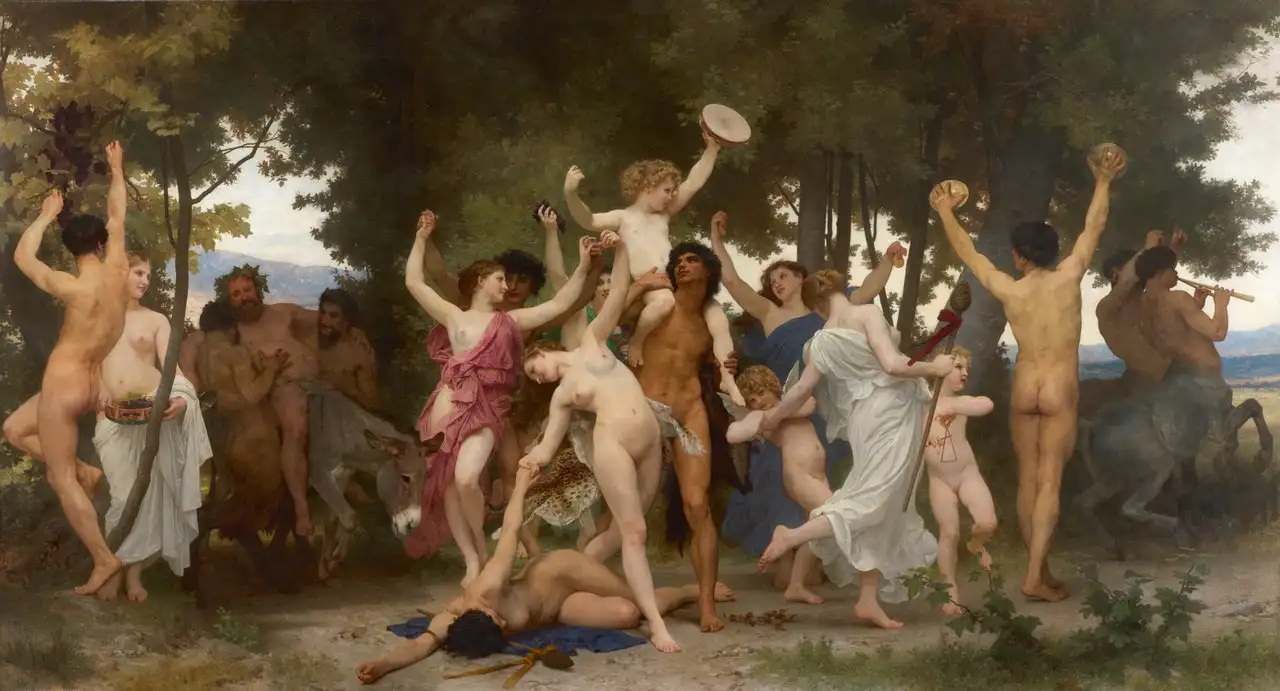
William-Adolphe Bouguereau · 1884
The Youth of Bacchus
Mini · Petite · Small
From $10.82 USD