Rembrandt · 1642
The Night Watch
Posters from $10.82 USD · Canvas from $28.14 USD
Ships anywhere in the USA
Rembrandt's monumental civic-guard portrait — a band of Amsterdam militiamen marching out of shadow into golden light. The crown jewel of the Rijksmuseum.
Up to 44.3 × 36 in · landscape
Size
Format & finish
Archival cotton canvas stretched over a wooden frame. Ready to hang as-is. No external frame.
Scale next to a 5'10" person
No sales tax added at checkout
Visa · Mastercard · Amex · Discover · Apple Pay · Google Pay
Materials & quality
›Canvas & inks
Giclée-printed on archival cotton canvas with fade-resistant pigment inks, hand-stretched over wooden bars. Gallery-wrapped — ready to hang with no extra frame needed.
›Floater frame
Hand-finished solid wood floater frame in five finishes. The canvas sits inside with a clean shadow gap — the way galleries hang contemporary canvas.
›Posters
Premium archival paper — 200 gsm soft matte or 230 gsm vibrant glossy. Ships flat or rolled, ready for your own frame.
›Faithful to the source
Printed from the highest-resolution museum and archive scans available. Each painting's maximum size is capped at what its source scan can support at gallery quality.
The story of The Night Watch
A captain in black with a red sash steps forward giving an order, his lieutenant in pale gold at his side, and behind them a whole militia company breaks into motion: a drummer, a man loading a musket, pikes going up, a dog barking, and a small girl in gold with a chicken hanging from her belt, lit as if she were the point of the whole thing. Rembrandt painted it in 1642 for the Amsterdam civic guard, who had expected a row of tidy portraits and got a stage play instead. It is at the Rijksmuseum, in a hall built for it, and it was never a night scene; the title came from centuries of darkened varnish.
On a wall, this is a big, warm, dark painting with a spotlight in it. The dominant colors are deep brown and black, the captain's crimson sash, the lieutenant's buttery gold, and the girl's glowing dress. It suits a dining room, a study, a den, an entry hall, or a home bar, and it fits traditional, old-world, dark-wood, and club-room interiors. It is a nearly square image with dozens of faces, so it wants size. The Extra Large at 44.3 × 36 in is the one that lets you read the crowd; the Large at 29.5 × 24 in is right above a sideboard, and the Medium at 19.7 × 16 in works above a desk.
Rembrandt's The Anatomy Lesson of Dr. Nicolaes Tulp is his other great group portrait, The Jewish Bride is his tenderest late work, and The Storm on the Sea of Galilee is the same drama in a boat. More from Rembrandt.
Printed in our studio from the Rijksmuseum's open-access photograph of the canvas, taken after cleaning, so the daylight Rembrandt actually painted shows through.
Rembrandt van Rijn
Rembrandt Harmenszoon van Rijn, known mononymously as Rembrandt, was a Dutch Golden Age painter, printmaker, and draughtsman. He is generally considered one of the greatest visual artists in the history of Western art. It is estimated that Rembrandt's surviving works amount to about three hundred paintings, three hundred etchings, and several hundred drawings.
All Rembrandt prints →Biography adapted from Wikipedia, available under CC BY-SA 4.0.
You may also like
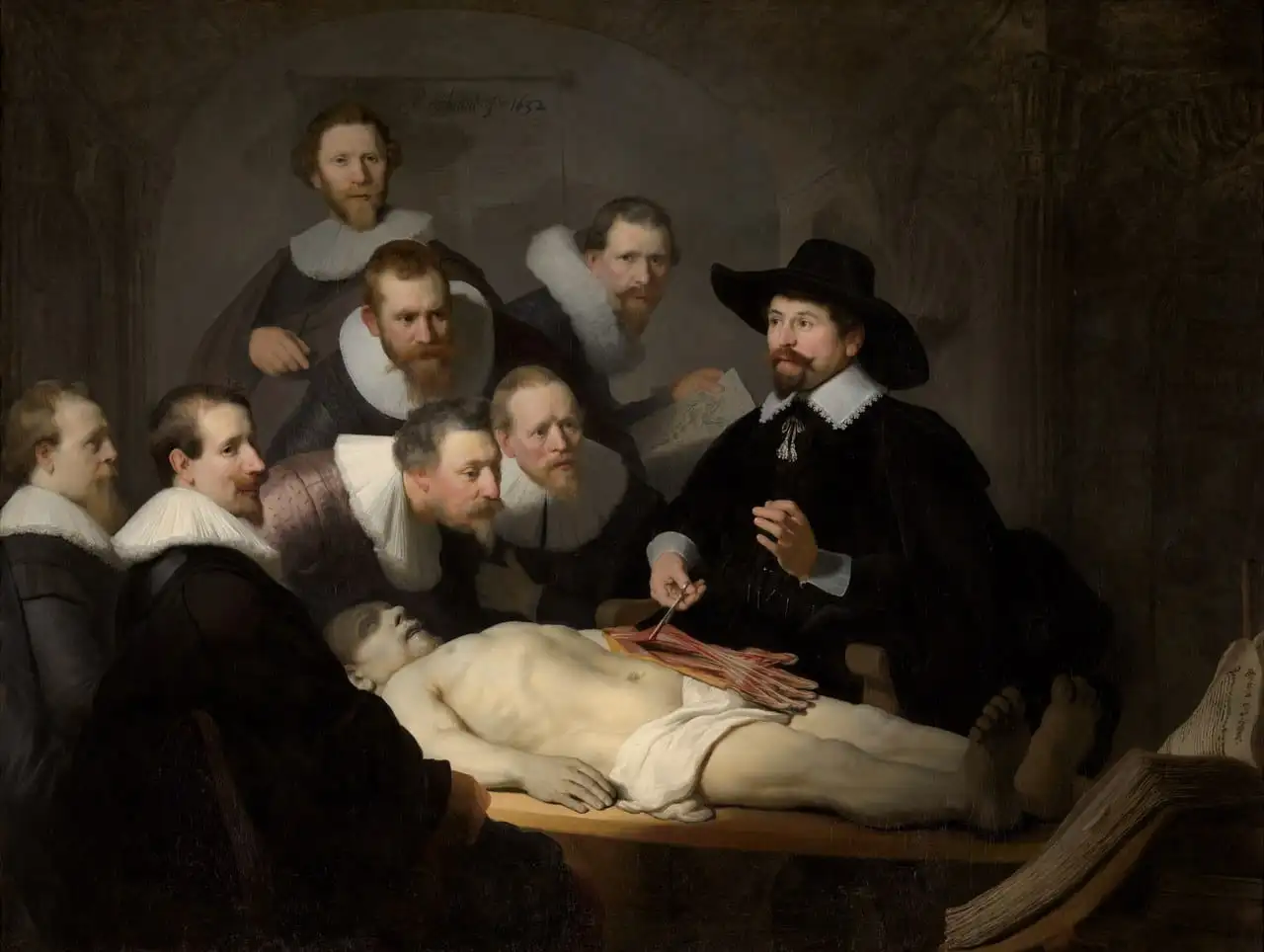
Rembrandt · 1632
The Anatomy Lesson of Dr. Tulp
Mini · Petite · Small · Medium
From $10.82 USD
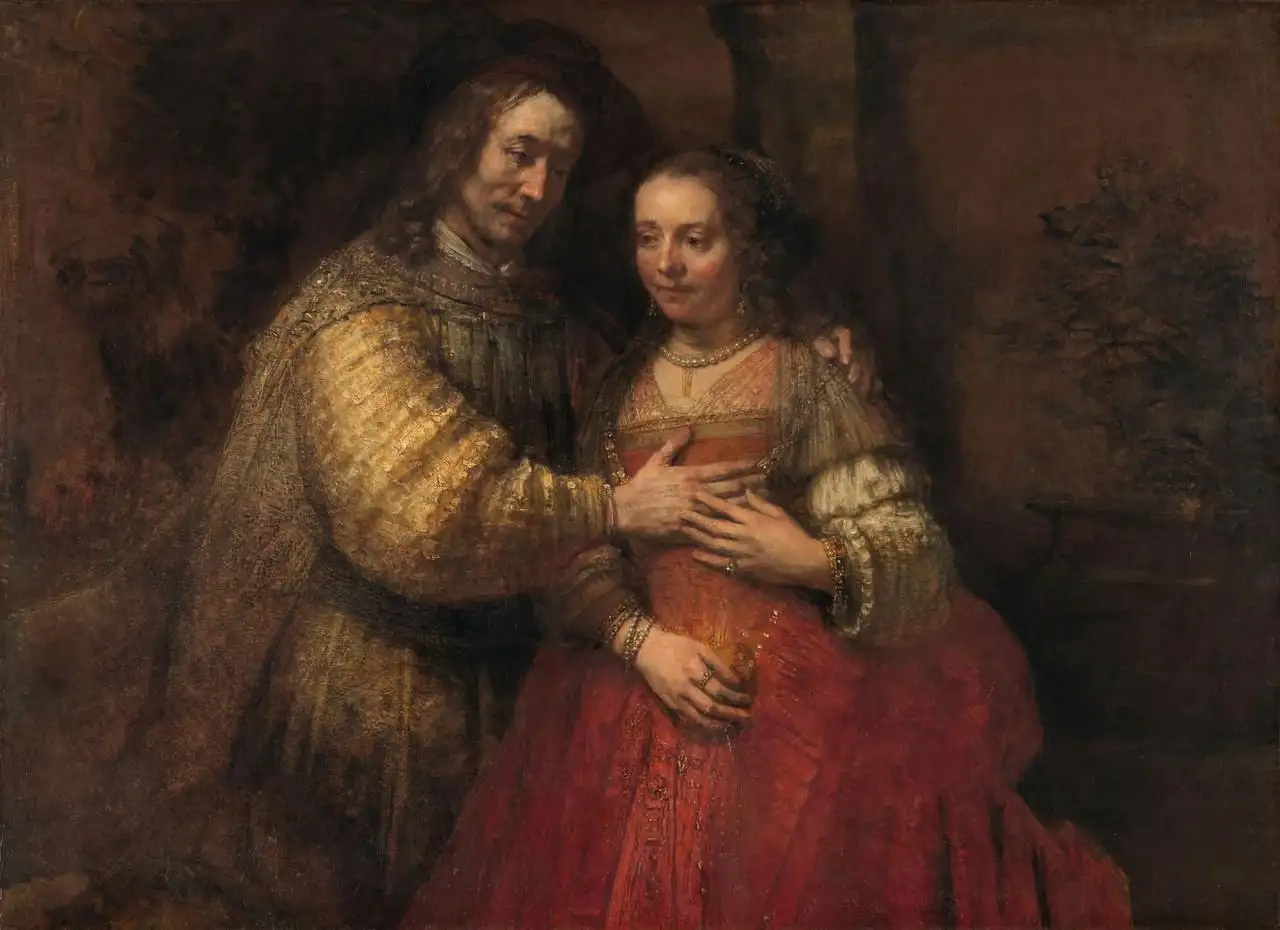
Rembrandt · c. 1665–69
The Jewish Bride
Mini · Petite · Small · Medium · Large
From $10.82 USD
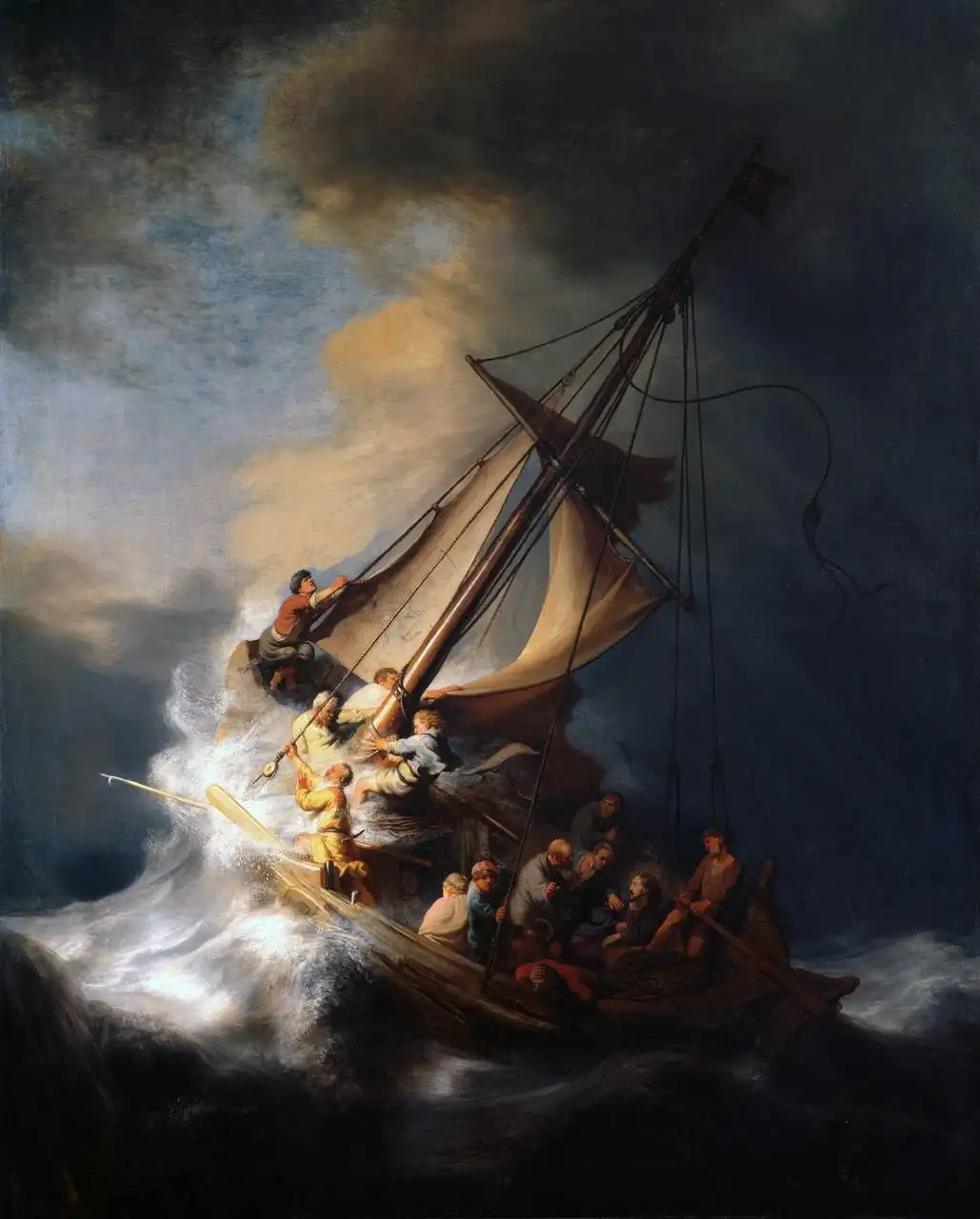
Rembrandt · 1633
The Storm on the Sea of Galilee
Mini · Petite · Small · Medium
From $10.82 USD
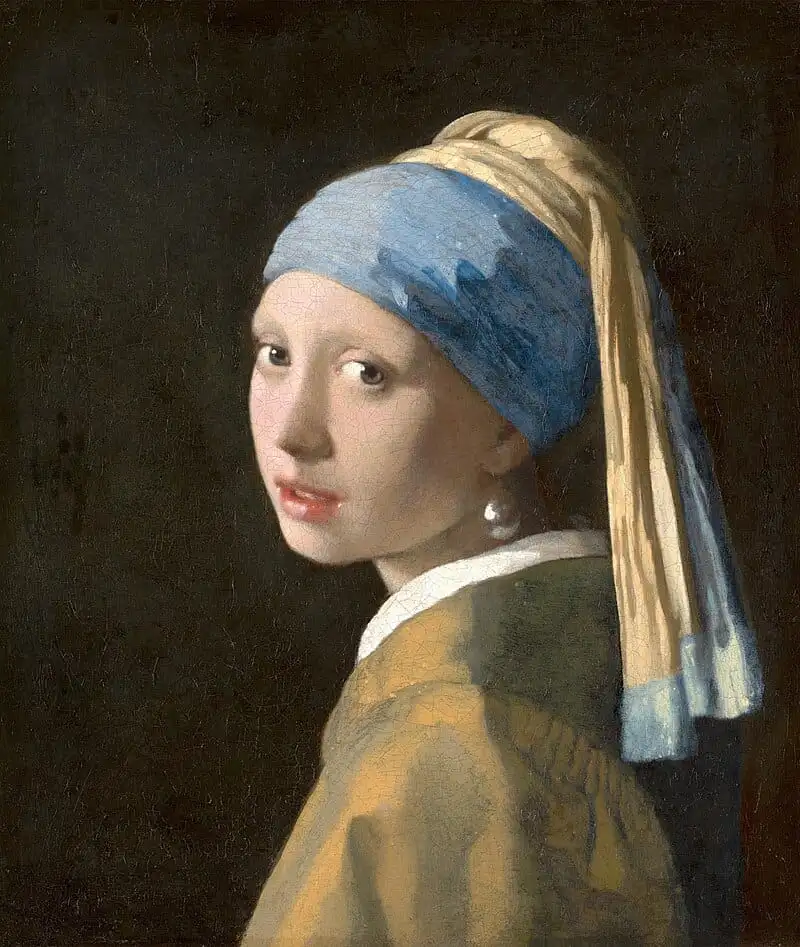
Johannes Vermeer · c. 1665
Girl with a Pearl Earring
Mini · Petite · Small · Medium · Large · Extra Large
From $10.82 USD
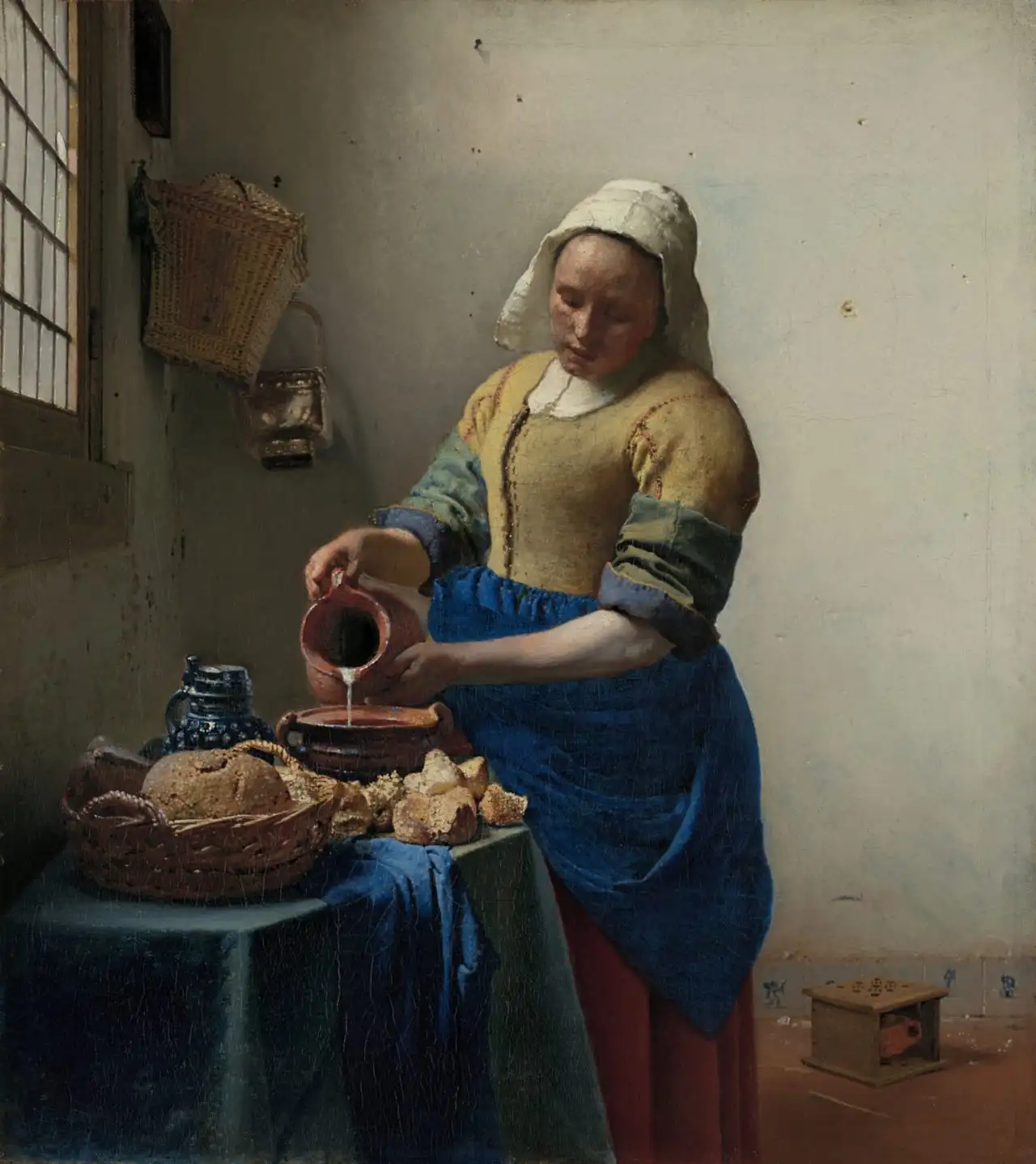
Johannes Vermeer · c. 1657–58
The Milkmaid
Mini · Petite · Small · Medium · Large · Extra Large
From $10.82 USD
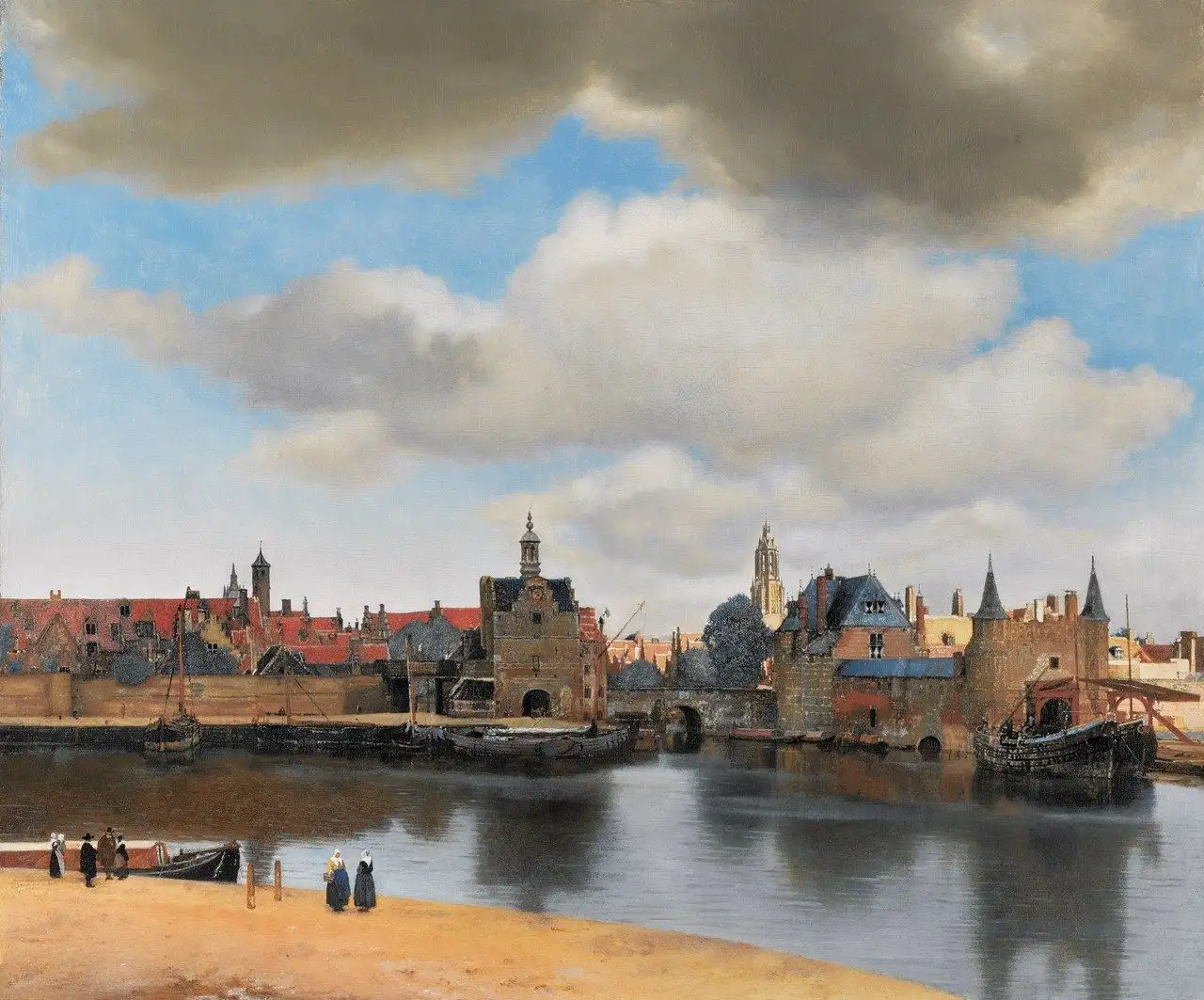
Johannes Vermeer · c. 1660–61
View of Delft
Mini · Petite · Small · Medium
From $10.82 USD