Claude Monet · 1882
The Cliff Walk at Pourville
Posters from $10.82 · Canvas from $28.14
Ships anywhere in the USA
Two girls, one with a red parasol, stand on a grassy clifftop above a choppy green-blue sea dotted with white sails, a dark headland rising at the right. Art Institute of Chicago.
Up to 13.7 × 11 in · landscape
Size
Larger sizes are unavailable for this painting because the source scan's resolution wouldn't print at gallery quality.
Format & finish
Archival cotton canvas stretched over a wooden frame. Ready to hang as-is. No external frame.
Scale next to a 5'10" person
No sales tax added at checkout
Visa · Mastercard · Amex · Discover · Apple Pay · Google Pay
Materials & quality
›Canvas & inks
Giclée-printed on archival cotton canvas with fade-resistant pigment inks, hand-stretched over wooden bars. Gallery-wrapped — ready to hang with no extra frame needed.
›Posters
Premium archival paper — 200 gsm soft matte or 230 gsm vibrant glossy. Ships flat or rolled, ready for your own frame.
›Faithful to the source
Printed from the highest-resolution museum and archive scans available. Each painting's maximum size is capped at what its source scan can support at gallery quality.
The story of The Cliff Walk at Pourville
The Cliff Walk at Pourville was painted in 1882, one of a series of landscapes Monet made during his time in Normandy. It shows two girls on top of a cliff above the sea at the fishing village of Pourville on a sunny, breezy summer day, contrasting the leisured figures with the fishing boats on the horizon. The painting is in the Art Institute of Chicago.
Adapted from Wikipedia, available under CC BY-SA 4.0.
Claude Monet
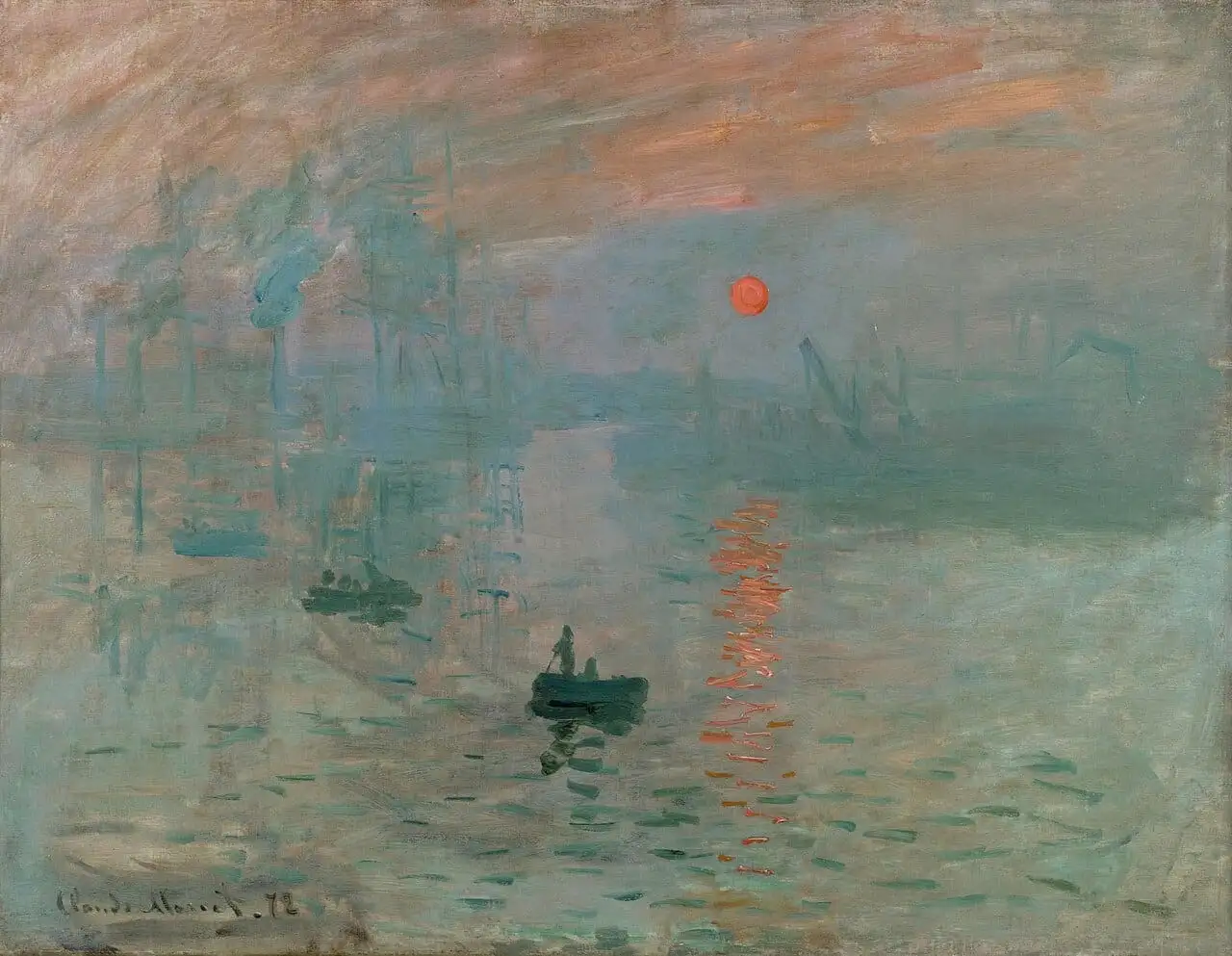
Oscar-Claude Monet was a French painter and founder of Impressionism who is seen as a key precursor to modernism, especially in his attempts to paint nature as he perceived it. During his long career, he was the most consistent and prolific practitioner of Impressionism's philosophy of expressing one's perceptions of nature, especially as applied to plein air (outdoor) landscape painting. The term "Impressionism" is derived from the title of his painting Impression, Sunrise, which was exhibited in 1874 at the First Impressionist Exhibition, initiated by Monet and a number of like-minded artists as an alternative to the Salon.
All Claude Monet prints →Biography adapted from Wikipedia, available under CC BY-SA 4.0.
You may also like
 Black Friday · up to 20% off
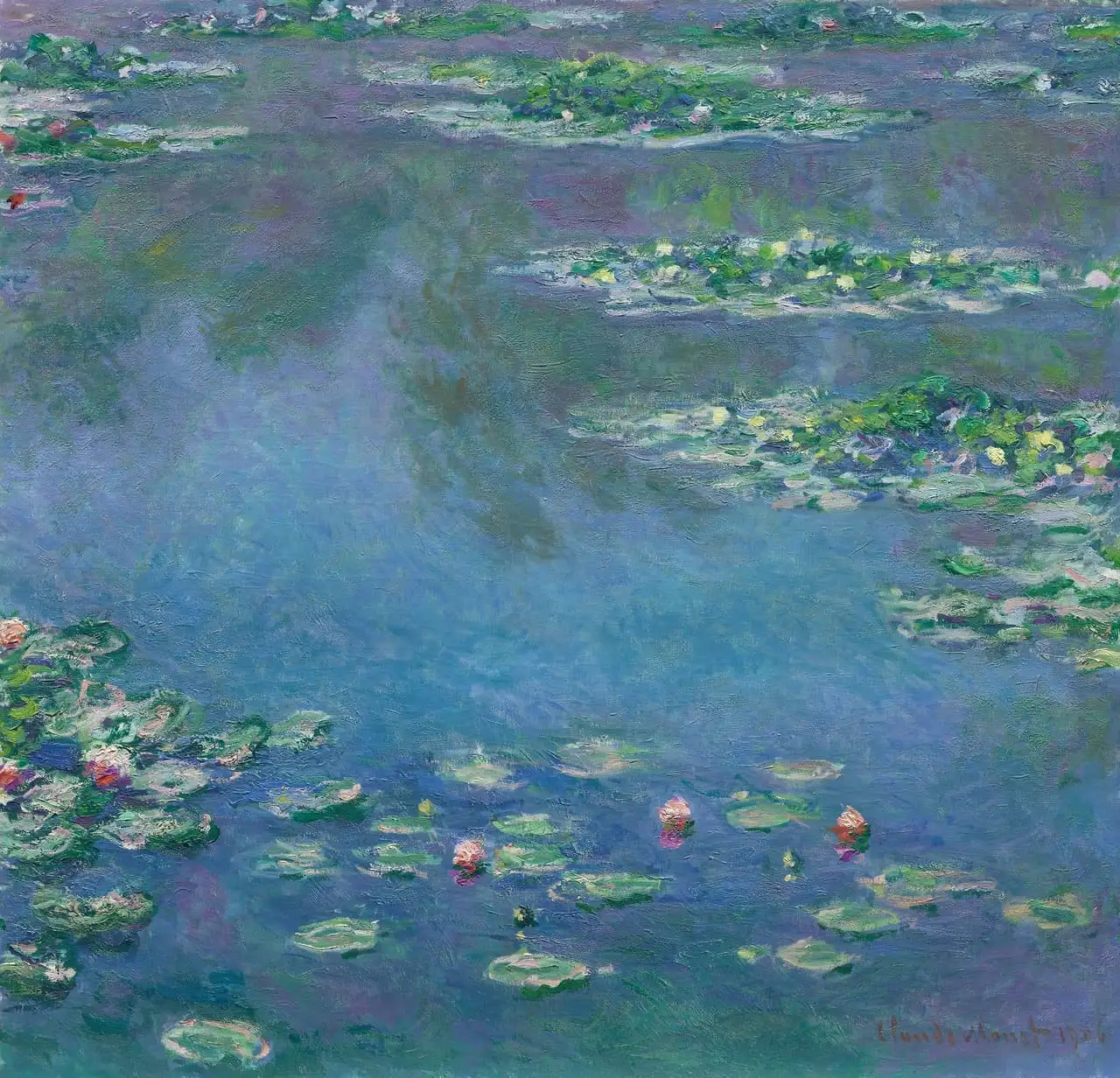
Claude Monet · 1906
Water Lilies
Mini · Petite
From $10.82
 Black Friday · up to 20% off
Claude Monet · 1872
Impression, Sunrise
Mini · Petite · Small · Medium
From $10.82
 Black Friday · up to 20% off
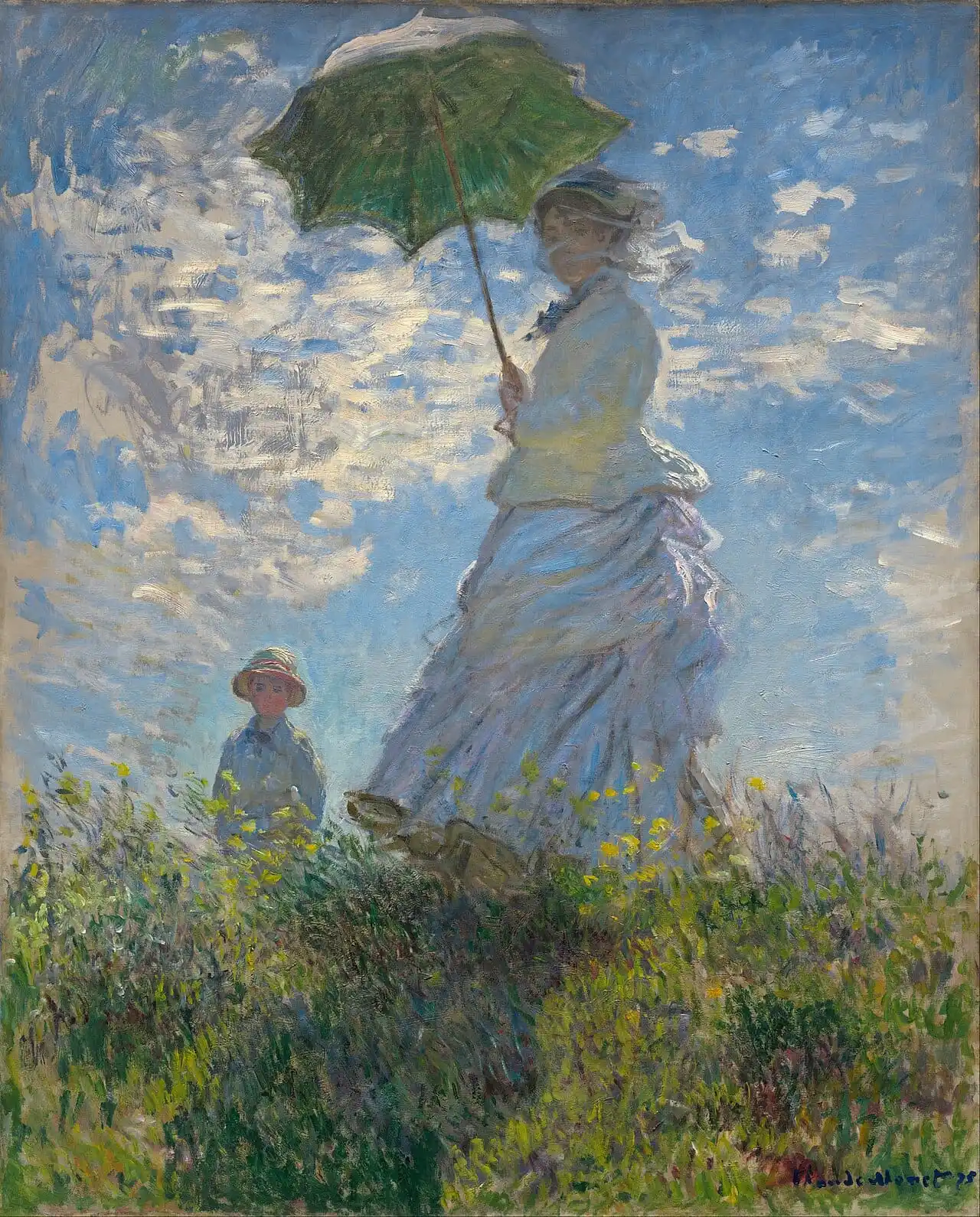
Claude Monet · 1875
Woman with a Parasol
Mini · Petite · Small · Medium · Large
From $10.82
 Black Friday · up to 20% off
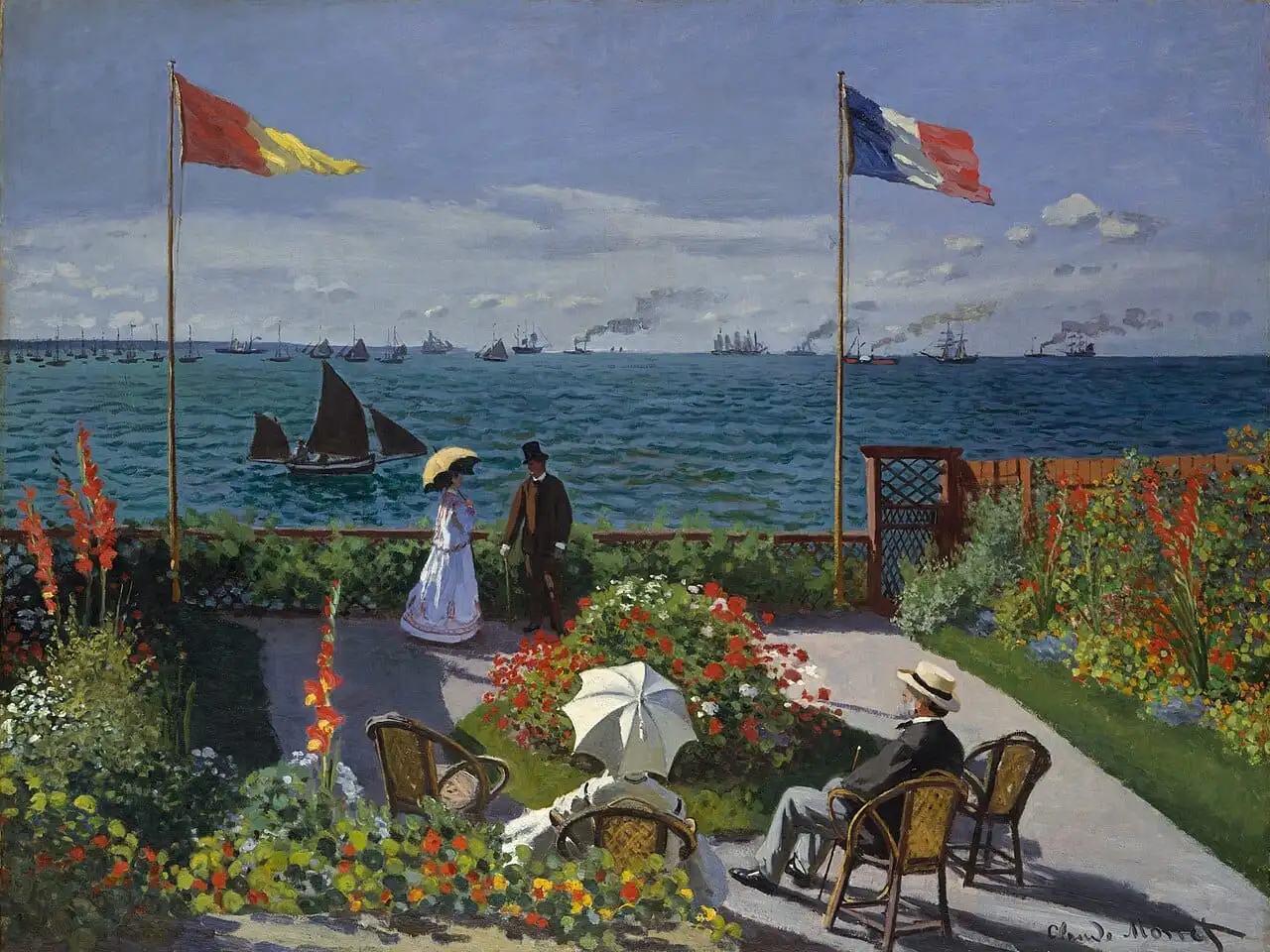
Claude Monet · 1867
Garden at Sainte-Adresse
Mini · Petite · Small · Medium
From $10.82
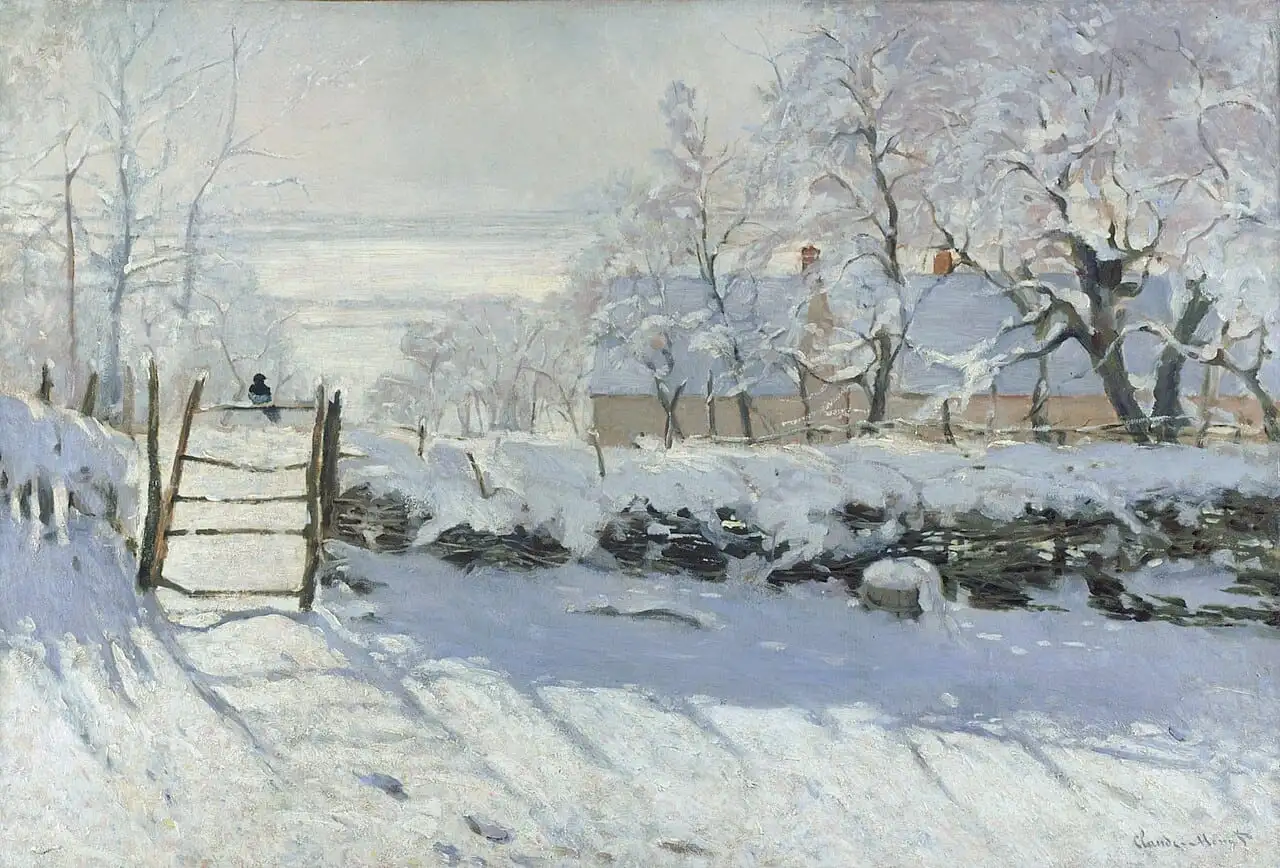 Black Friday · up to 20% off
Claude Monet · 1869
The Magpie
Mini · Petite · Small
From $10.82
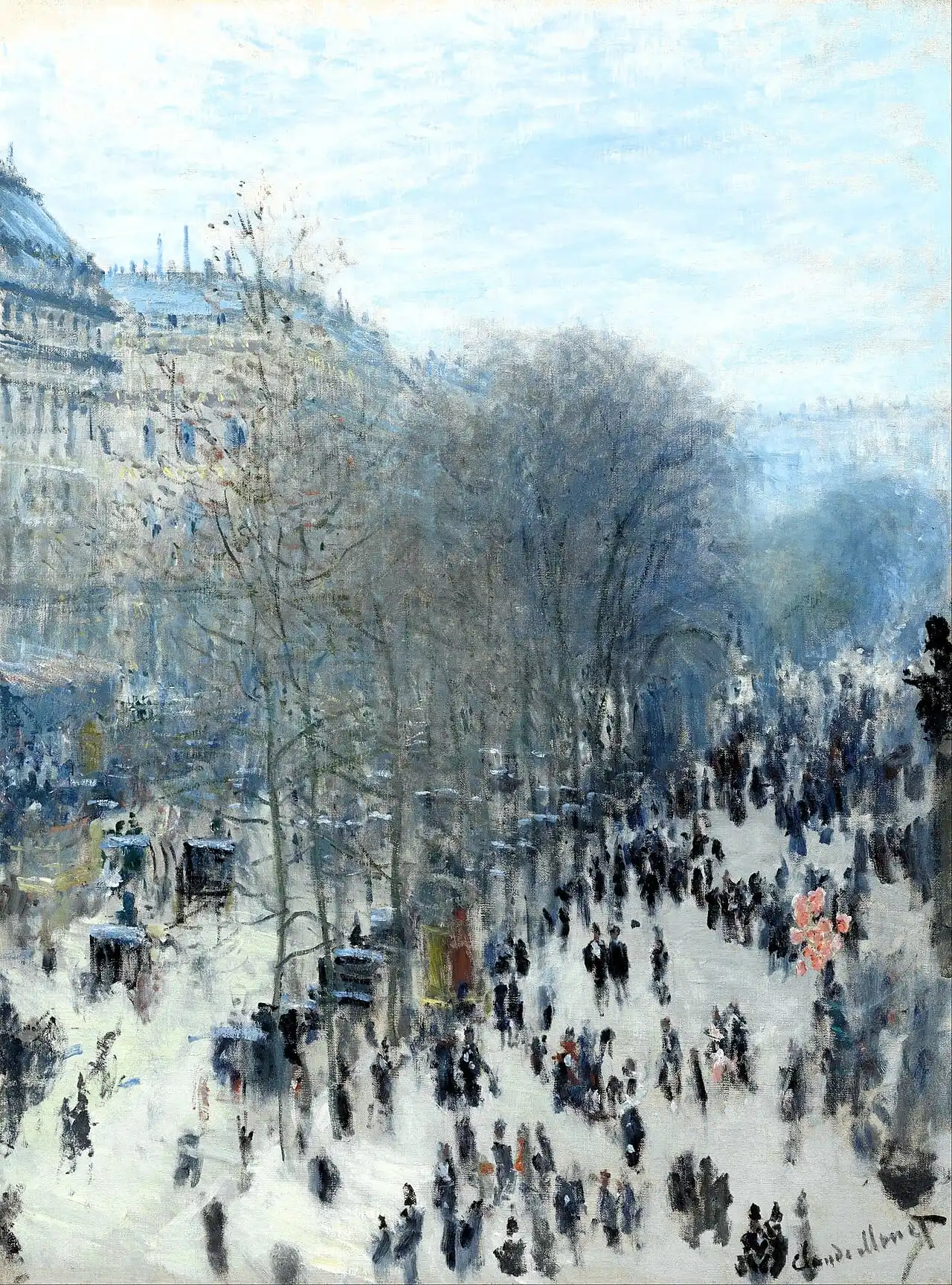 Black Friday · up to 20% off
Claude Monet · 1873
Boulevard des Capucines
Mini · Petite · Small
From $10.82