Hans Memling · 1467–71
The Last Judgment
Posters from $10.82 USD · Canvas from $28.14 USD
Ships anywhere in the USA
Memling's giant triptych — Christ in judgment in the centre panel, the saved on the viewer's left, the damned tumbling into hell on the right. National Museum, Gdańsk.
Up to 18 × 12 in · landscape
Size
Larger sizes are unavailable for this painting because the source scan's resolution wouldn't print at gallery quality.
Format & finish
Archival cotton canvas stretched over a wooden frame. Ready to hang as-is. No external frame.
Scale next to a 5'10" person
No sales tax added at checkout
Visa · Mastercard · Amex · Discover · Apple Pay · Google Pay
Materials & quality
›Canvas & inks
Giclée-printed on archival cotton canvas with fade-resistant pigment inks, hand-stretched over wooden bars. Gallery-wrapped — ready to hang with no extra frame needed.
›Floater frame
Hand-finished solid wood floater frame in five finishes. The canvas sits inside with a clean shadow gap — the way galleries hang contemporary canvas.
›Posters
Premium archival paper — 200 gsm soft matte or 230 gsm vibrant glossy. Ships flat or rolled, ready for your own frame.
›Faithful to the source
Printed from the highest-resolution museum and archive scans available. Each painting's maximum size is capped at what its source scan can support at gallery quality.
The story of The Last Judgment
The Last Judgment is a triptych attributed to Flemish painter Hans Memling and was painted between 1467 and 1471, and depicts Last Judgment during the second coming of Jesus Christ. The central panel shows Jesus sitting in judgment on the world, while St Michael the Archangel weighs souls: he sends the damned towards Hell ; the left-hand panel shows the saved being guided into heaven by St Peter and the angels. The triptych was commissioned by Angelo Tani, an agent of the Medici at Bruges for the Chapel of St Michael at Badia Fiesolana, but was captured at sea by Paul Beneke, a privateer from Danzig. A lengthy lawsuit against the Hanseatic League demanded its return to Italy. It was placed in the Basilica of the Assumption but in the 20th century it was moved to its present location at the National Museum in Gdańsk in Poland.
Adapted from Wikipedia, available under CC BY-SA 4.0.
Hans Memling
Hans Memling was a German-Flemish painter who worked in the tradition of Early Netherlandish painting. Born in the Middle Rhine region, he probably spent his childhood in Mainz. During his apprenticeship as a painter he moved to the Netherlands and spent time in the Brussels workshop of Rogier van der Weyden. In 1465 he was made a citizen of Bruges, where he became one of the leading artists and the master of a large workshop. A tax document from 1480 lists him among the wealthiest citizens. Memling's religious works often incorporated donor portraits of the clergymen, aristocrats, and burghers who were his patrons. These portraits built upon the styles which Memling learned in his youth.
All Hans Memling prints →Biography adapted from Wikipedia, available under CC BY-SA 4.0.
You may also like
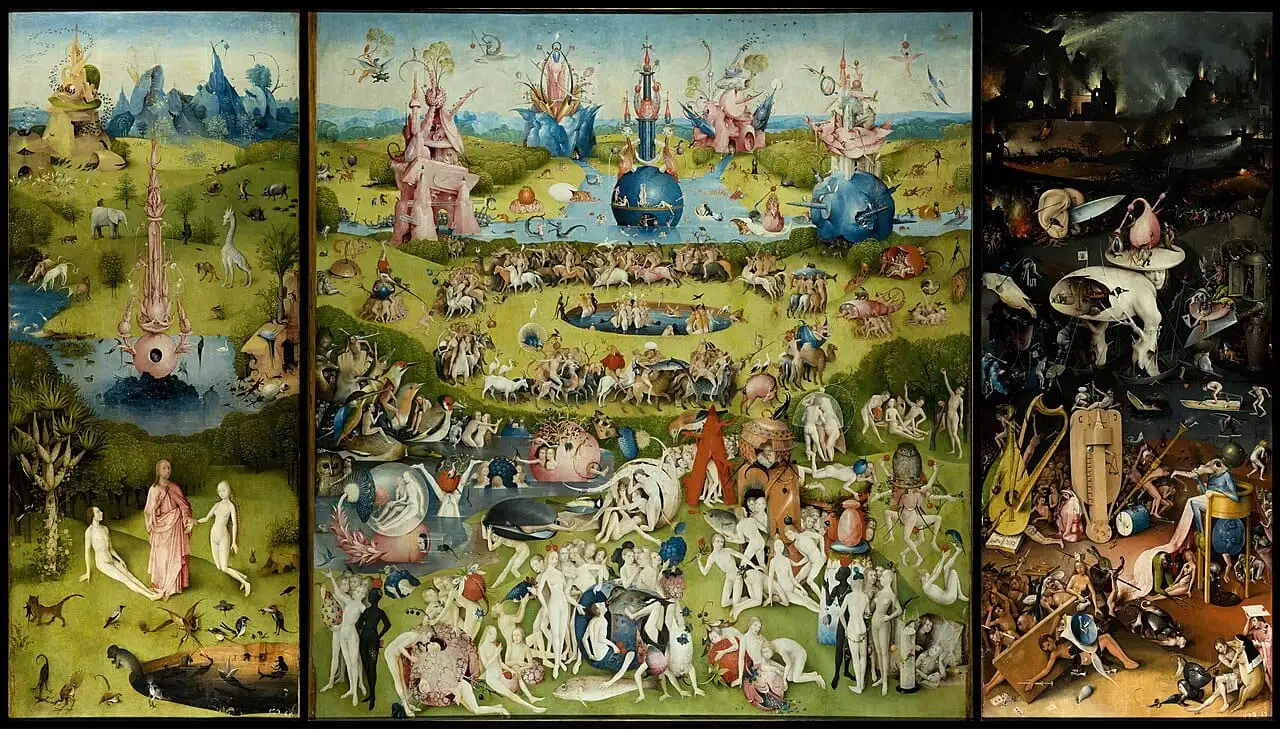
Hieronymus Bosch · c. 1490–1510
The Garden of Earthly Delights
Mini · Petite · Small · Medium · Large · Extra Large
From $10.82 USD
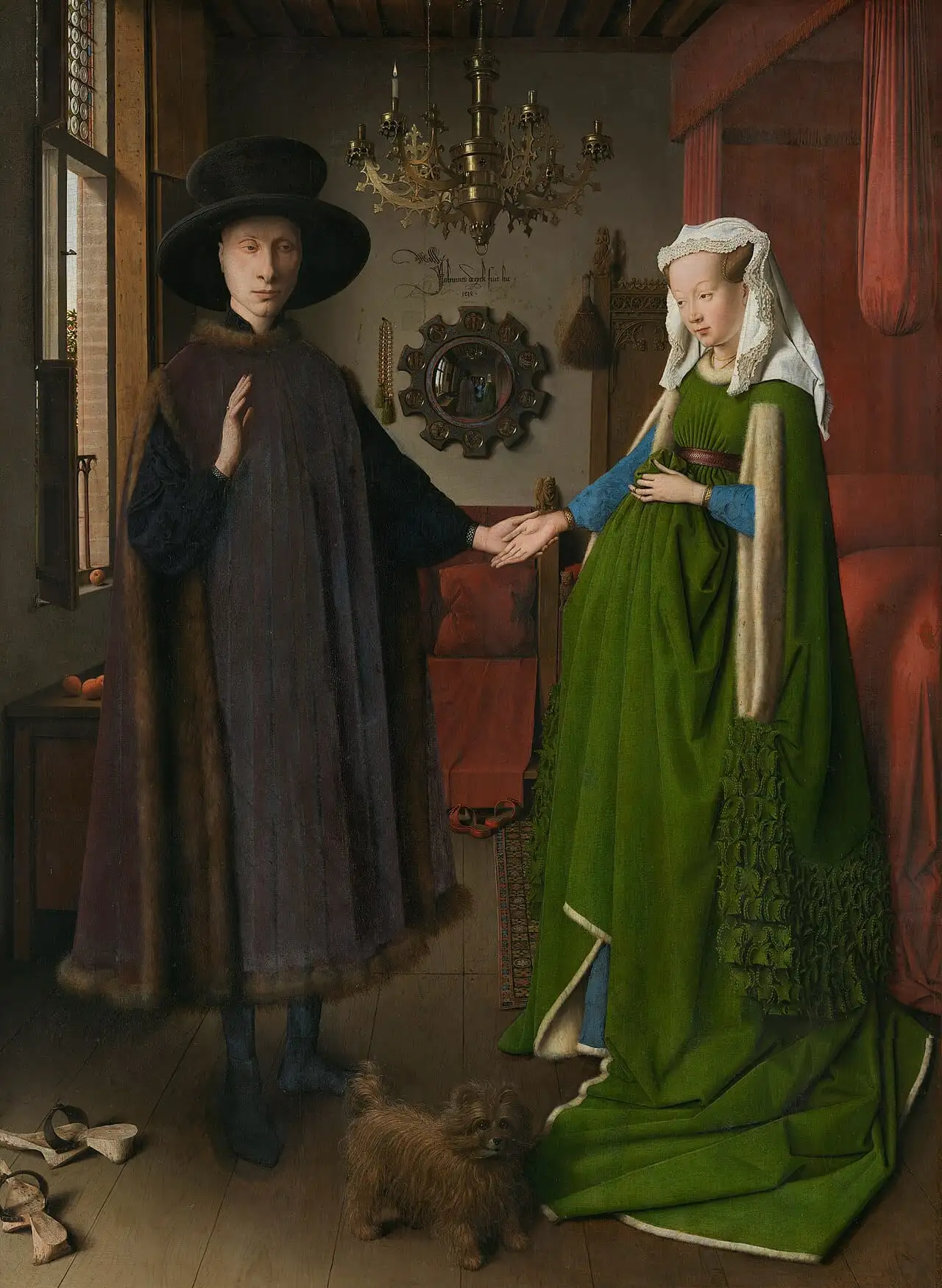
Jan van Eyck · 1434
The Arnolfini Portrait
Mini · Petite · Small · Medium · Large · Extra Large
From $10.82 USD
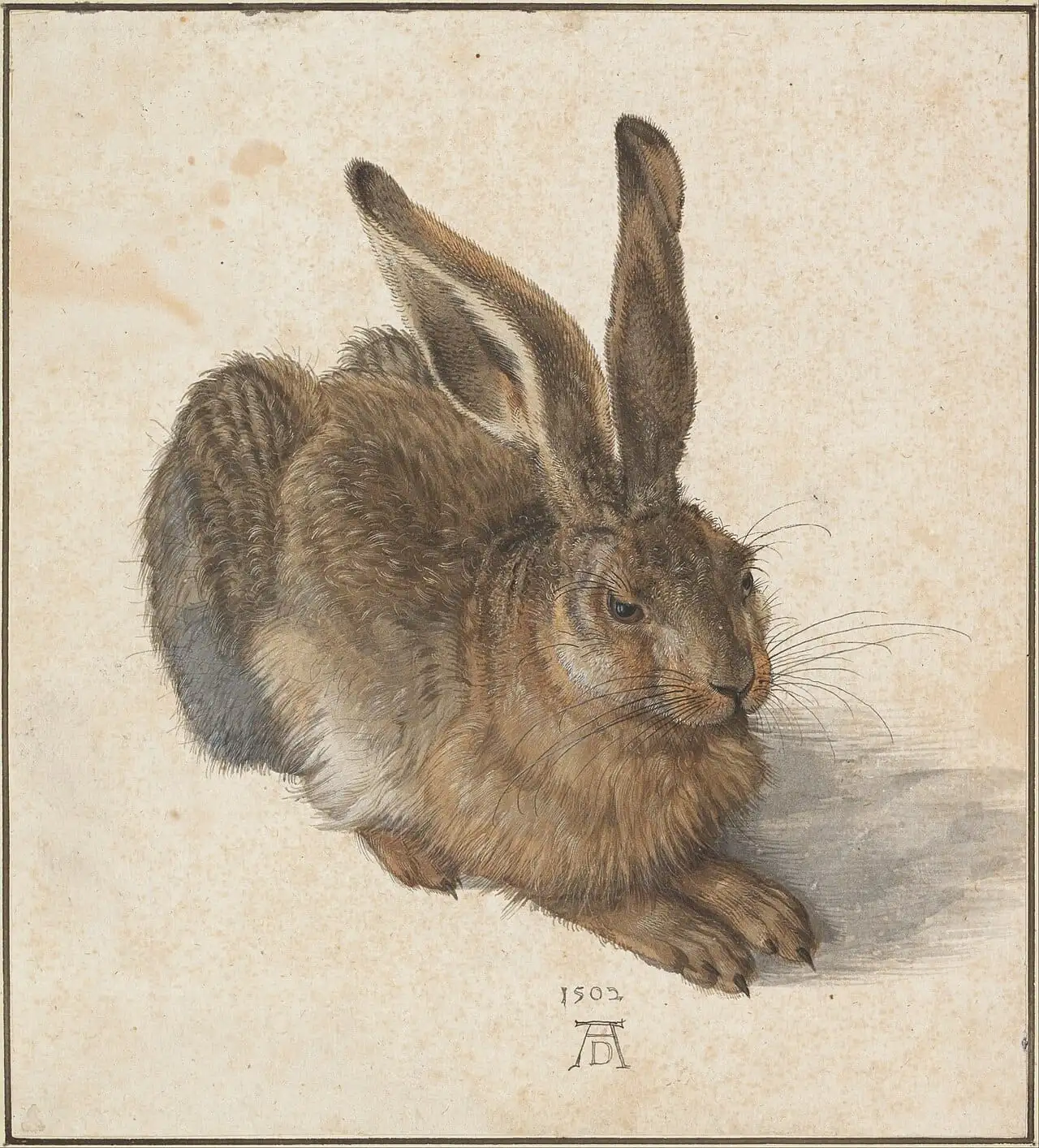
Albrecht Dürer · 1502
Young Hare
Mini · Petite · Small
From $10.82 USD
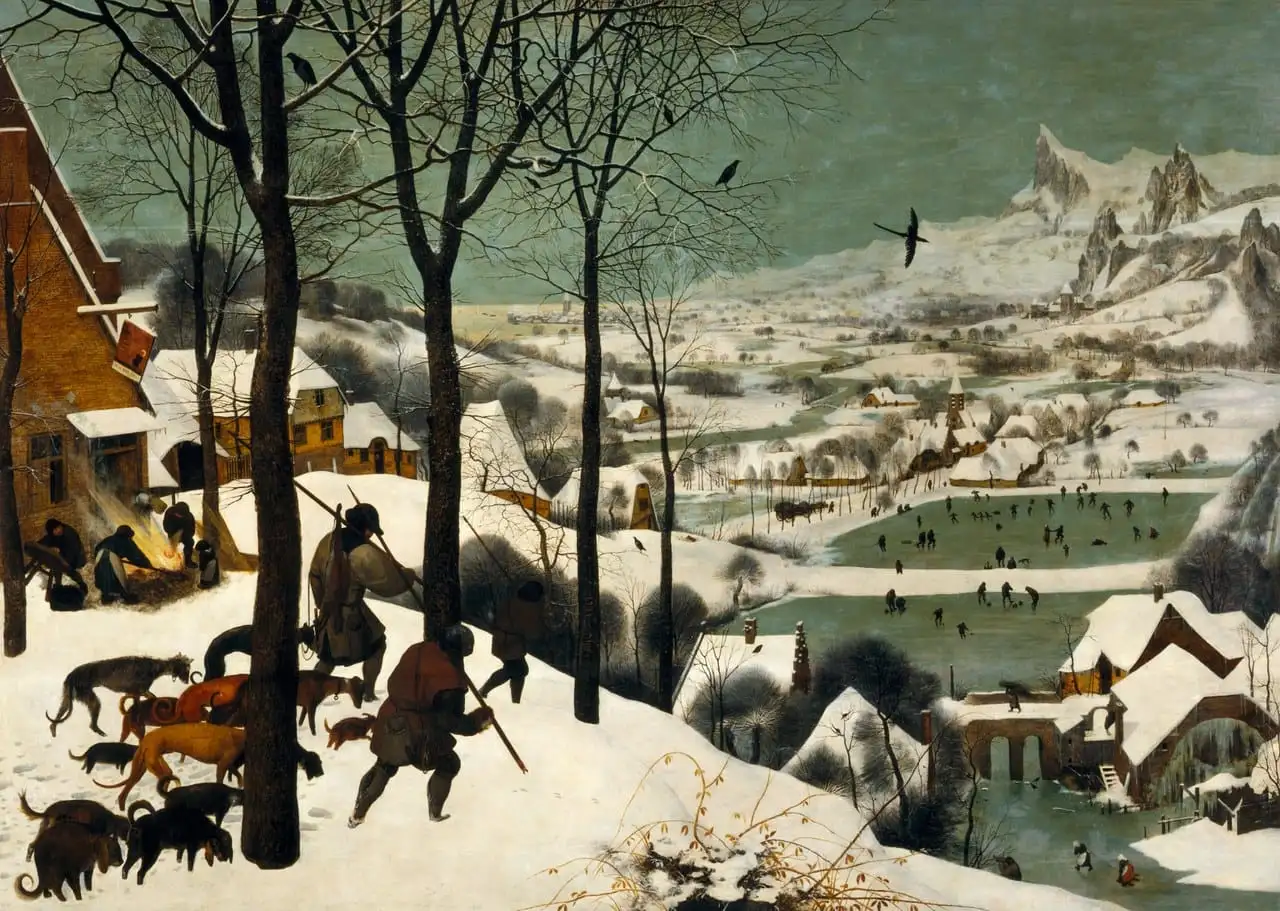
Pieter Bruegel the Elder · 1565
The Hunters in the Snow
Mini · Petite · Small · Medium
From $10.82 USD
Pieter Bruegel the Elder · 1563
The Tower of Babel
Mini · Petite · Small · Medium · Large · Extra Large
From $10.82 USD
Pieter Bruegel the Elder · 1559
Netherlandish Proverbs
Mini · Petite · Small · Medium
From $10.82 USD