André Derain · 1905
Mountains at Collioure
Posters from $10.82 USD · Canvas from $28.14 USD
Ships anywhere in the USA
Derain's foundational Fauvist landscape — the Pyrenees rendered in pure cobalt, scarlet, and emerald, painted at Collioure beside Matisse in the summer that birthed Fauvism.
Up to 20.3 × 16 in · landscape
Size
Larger sizes are unavailable for this painting because the source scan's resolution wouldn't print at gallery quality.
Format & finish
Archival cotton canvas stretched over a wooden frame. Ready to hang as-is. No external frame.
Scale next to a 5'10" person
No sales tax added at checkout
Visa · Mastercard · Amex · Discover · Apple Pay · Google Pay
Materials & quality
›Canvas & inks
Giclée-printed on archival cotton canvas with fade-resistant pigment inks, hand-stretched over wooden bars. Gallery-wrapped — ready to hang with no extra frame needed.
›Floater frame
Hand-finished solid wood floater frame in five finishes. The canvas sits inside with a clean shadow gap — the way galleries hang contemporary canvas.
›Posters
Premium archival paper — 200 gsm soft matte or 230 gsm vibrant glossy. Ships flat or rolled, ready for your own frame.
›Faithful to the source
Printed from the highest-resolution museum and archive scans available. Each painting's maximum size is capped at what its source scan can support at gallery quality.
The story of Mountains at Collioure
Mountains at Collioure is a 1905 painting by French painter André Derain. It was made while he was working with Henri Matisse at the fishing port of Collioure, in France. It has been in the National Gallery of Art in Washington, D.C. since John Hay Whitney, the previous owner, died in 1982. The work features long strokes of colours such as bright green, blue, mauve and pink. The entire scene is under a jade and turquoise sky.
Adapted from Wikipedia, available under CC BY-SA 4.0.
André Derain
André Derain was a French artist, painter, sculptor and co-founder, with Henri Matisse, of Fauvism. His paintings of 1905–1906 are characterized by riotous colourism in the Fauve style. By 1910, however, his work had become more austere as a result of his study of Cézanne and the old masters. After the First World War, Derain became one of the leaders of the new classicism in the arts known as the Return to order.
All André Derain prints →Biography adapted from Wikipedia, available under CC BY-SA 4.0.
Mountains at Collioure— questions & answers
›Who painted Mountains at Collioure?
›What makes Mountains at Collioure important?
›Where can I buy a Mountains at Collioure canvas print?
You may also like
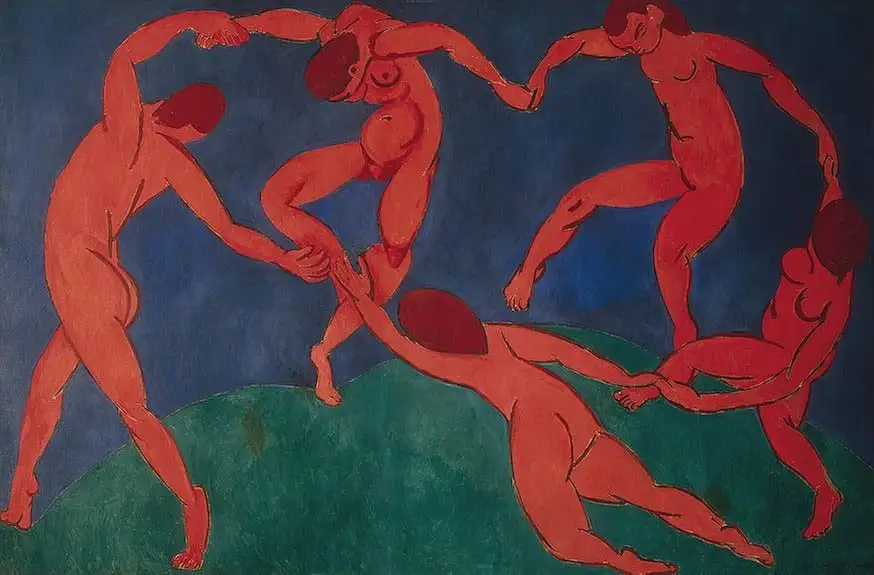
Henri Matisse · 1910
The Dance
Mini
From $10.82 USD
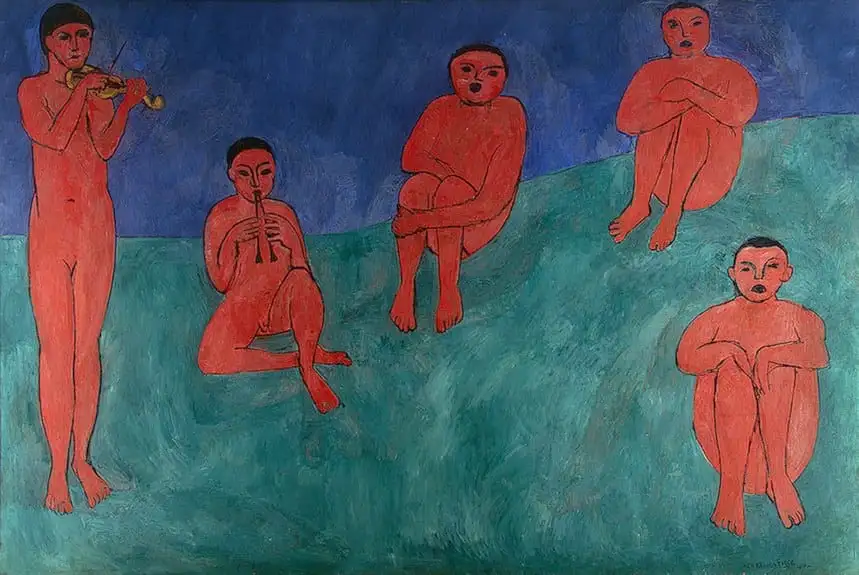
Henri Matisse · 1910
Music
Mini
From $10.82 USD
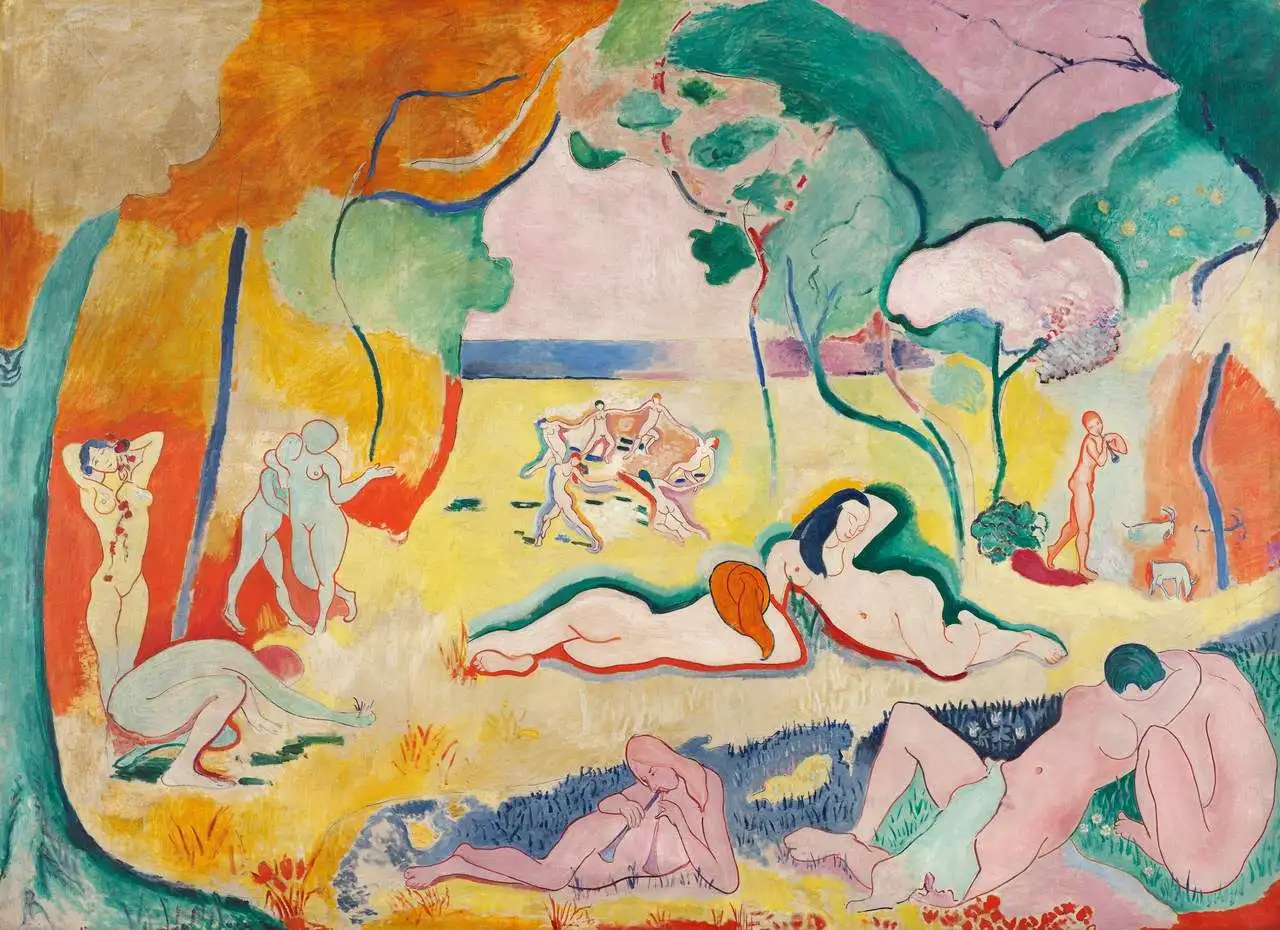
Henri Matisse · 1905–06
Le Bonheur de Vivre (The Joy of Life)
Mini · Petite · Small · Medium
From $10.82 USD
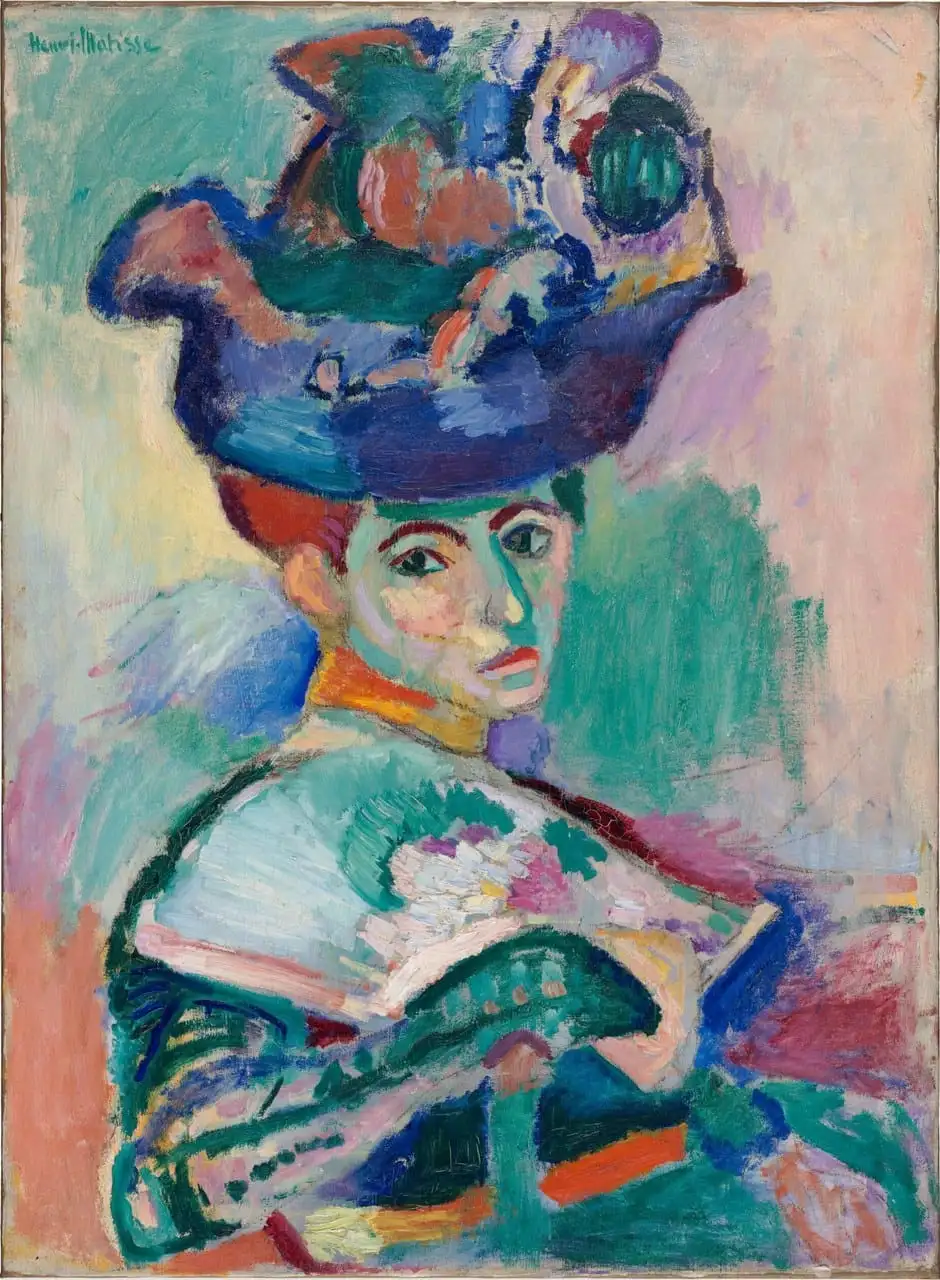
Henri Matisse · 1905
Woman with a Hat
Mini
From $10.82 USD
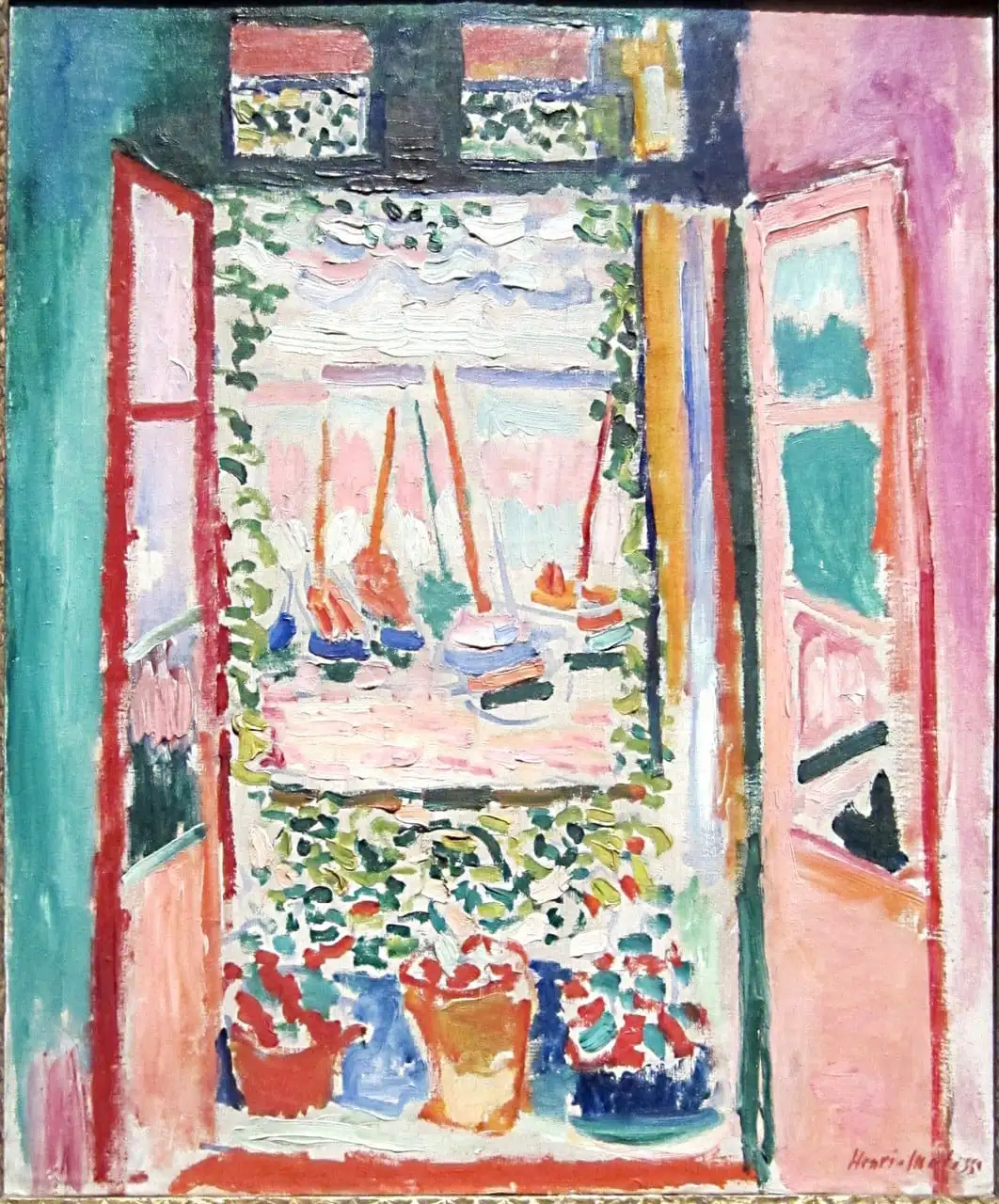
Henri Matisse · 1905
The Open Window, Collioure
Mini
From $10.82 USD
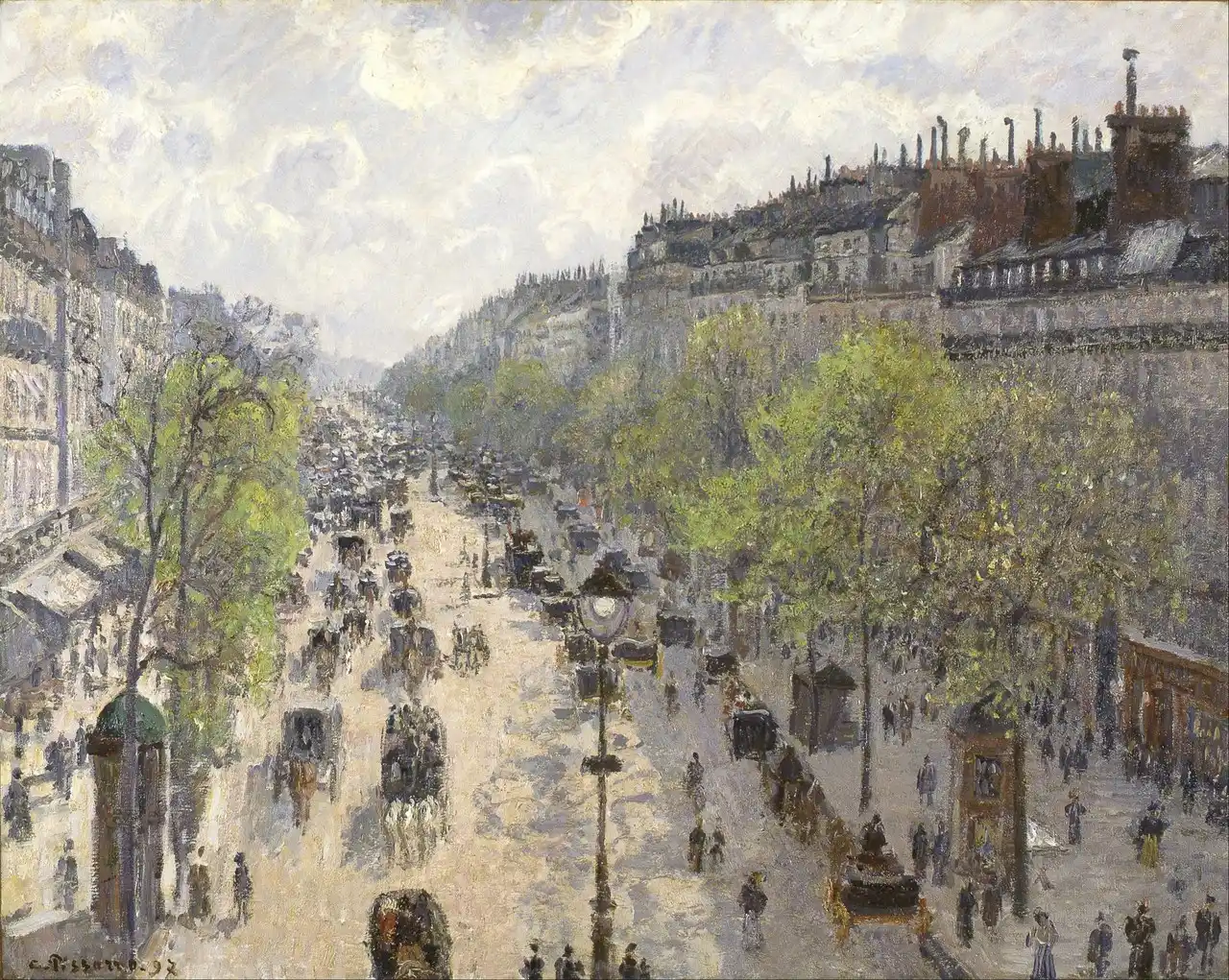
Camille Pissarro · 1897
Boulevard Montmartre, Spring
Mini · Petite · Small
From $10.82 USD