Caravaggio · 1599–1600
The Calling of Saint Matthew
Posters from $10.82 USD · Canvas from $28.14 USD
Ships anywhere in the USA
Christ pointing at a tax collector across a smoky Roman tavern — a beam of light cutting through the darkness selects the only possible answer. San Luigi dei Francesi, Rome.
Up to 25.4 × 24 in · landscape
Size
Larger sizes are unavailable for this painting because the source scan's resolution wouldn't print at gallery quality.
Format & finish
Archival cotton canvas stretched over a wooden frame. Ready to hang as-is. No external frame.
Scale next to a 5'10" person
No sales tax added at checkout
Visa · Mastercard · Amex · Discover · Apple Pay · Google Pay
Materials & quality
›Canvas & inks
Giclée-printed on archival cotton canvas with fade-resistant pigment inks, hand-stretched over wooden bars. Gallery-wrapped — ready to hang with no extra frame needed.
›Floater frame
Hand-finished solid wood floater frame in five finishes. The canvas sits inside with a clean shadow gap — the way galleries hang contemporary canvas.
›Posters
Premium archival paper — 200 gsm soft matte or 230 gsm vibrant glossy. Ships flat or rolled, ready for your own frame.
›Faithful to the source
Printed from the highest-resolution museum and archive scans available. Each painting's maximum size is capped at what its source scan can support at gallery quality.
The story of The Calling of Saint Matthew
The Calling of Saint Matthew is an oil painting by the Italian Baroque master Caravaggio that depicts the moment Jesus Christ calls on the tax collector Matthew to follow him. It was completed in 1599–1600 for the Contarelli Chapel in the church of the French congregation, San Luigi dei Francesi in Rome, where it remains. It hangs alongside two other paintings of Matthew by Caravaggio: The Martyrdom of Saint Matthew and The Inspiration of Saint Matthew (1602).
Adapted from Wikipedia, available under CC BY-SA 4.0.
Caravaggio
Michelangelo Merisi da Caravaggio, known mononymously as Caravaggio, was an Italian painter active in Rome for most of his artistic life. During the final four years of his life, he moved between Naples, Malta, and Sicily. His paintings have been characterized by art critics as combining a realistic observation of the human state, both physical and emotional, with a dramatic use of lighting, which had a formative influence on Baroque painting.
All Caravaggio prints →Biography adapted from Wikipedia, available under CC BY-SA 4.0.
You may also like
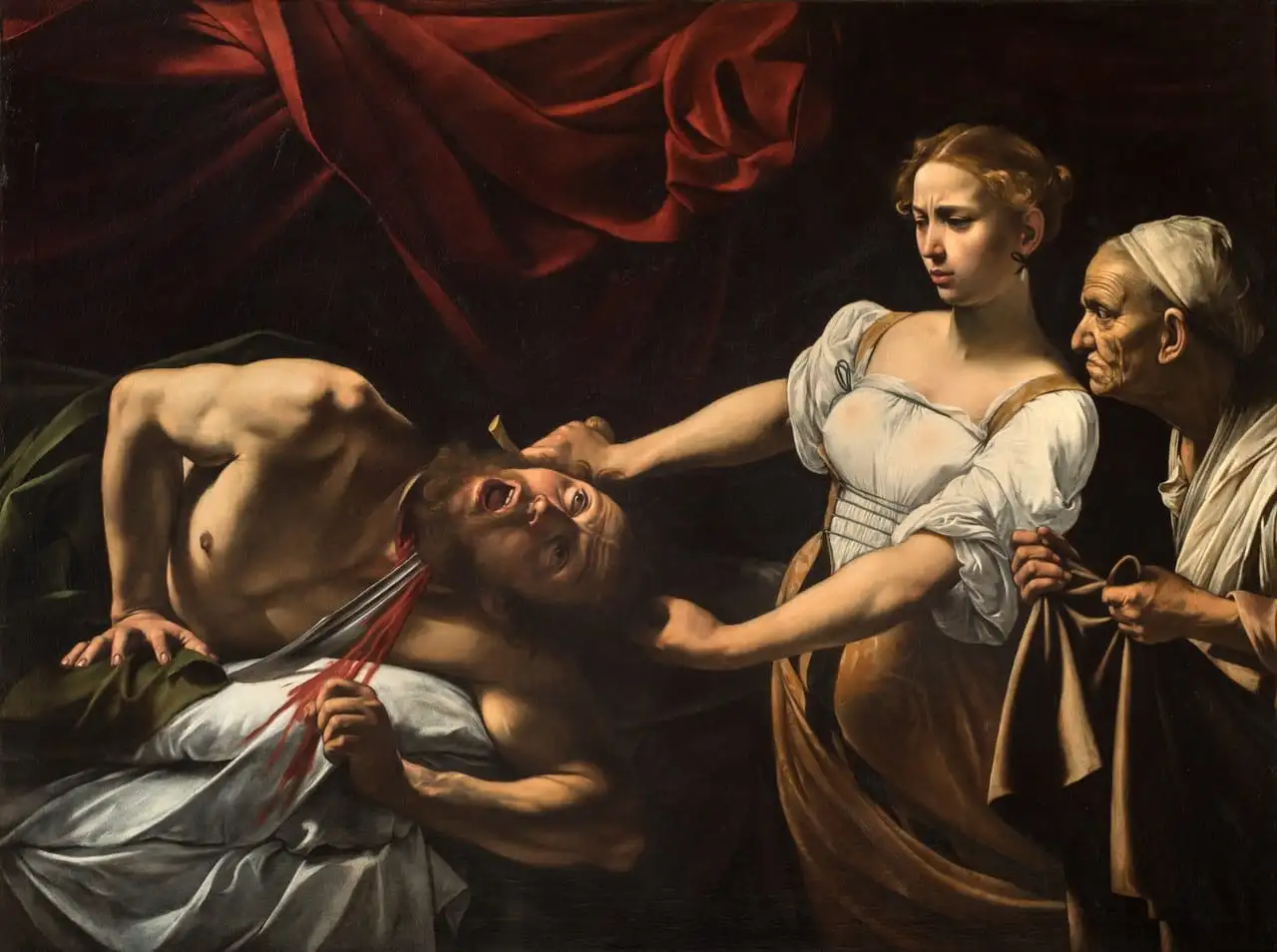
Caravaggio · 1599
Judith Beheading Holofernes
Mini · Petite · Small · Medium · Large
From $10.82 USD
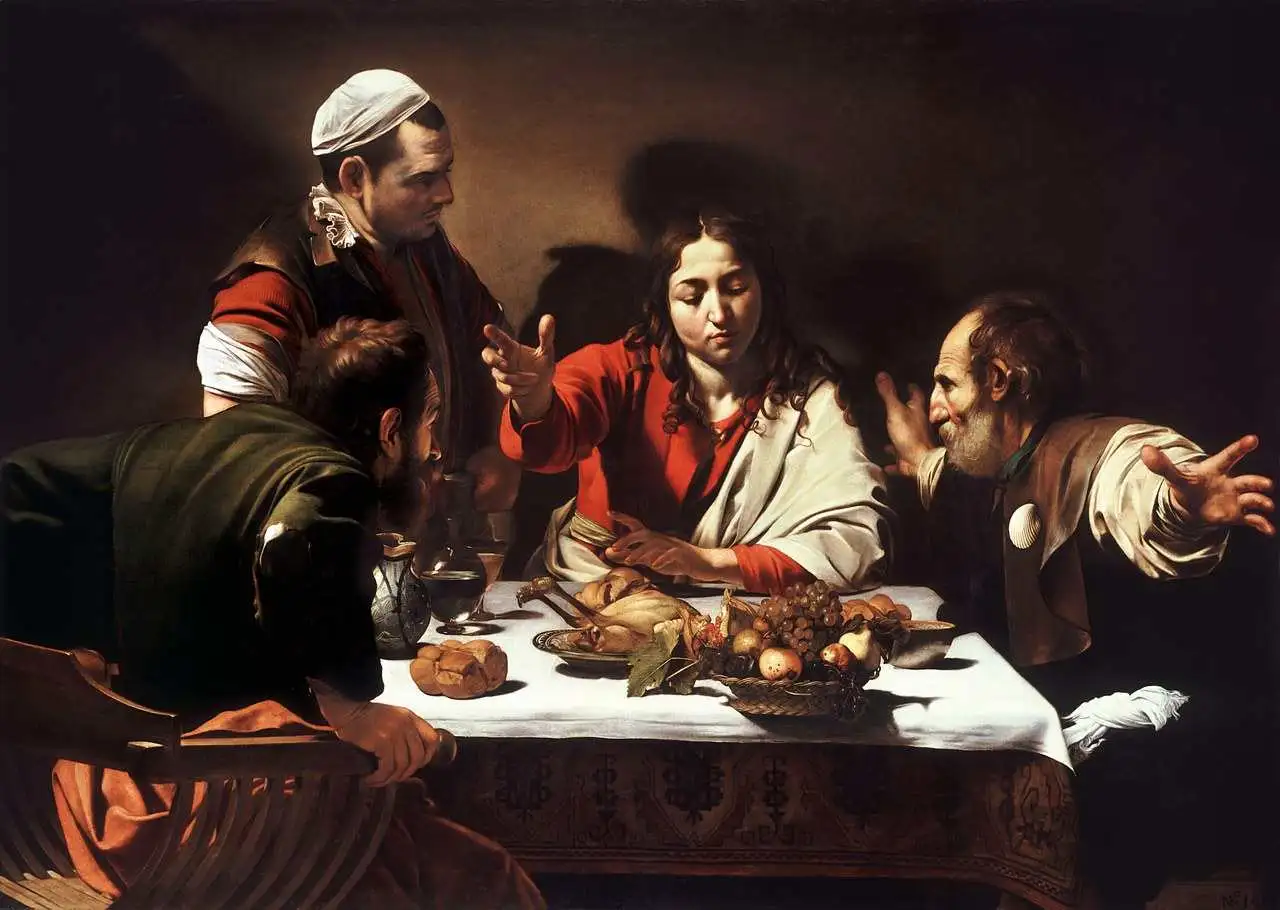
Caravaggio · 1601
Supper at Emmaus
Mini · Petite · Small · Medium · Large · Extra Large
From $10.82 USD
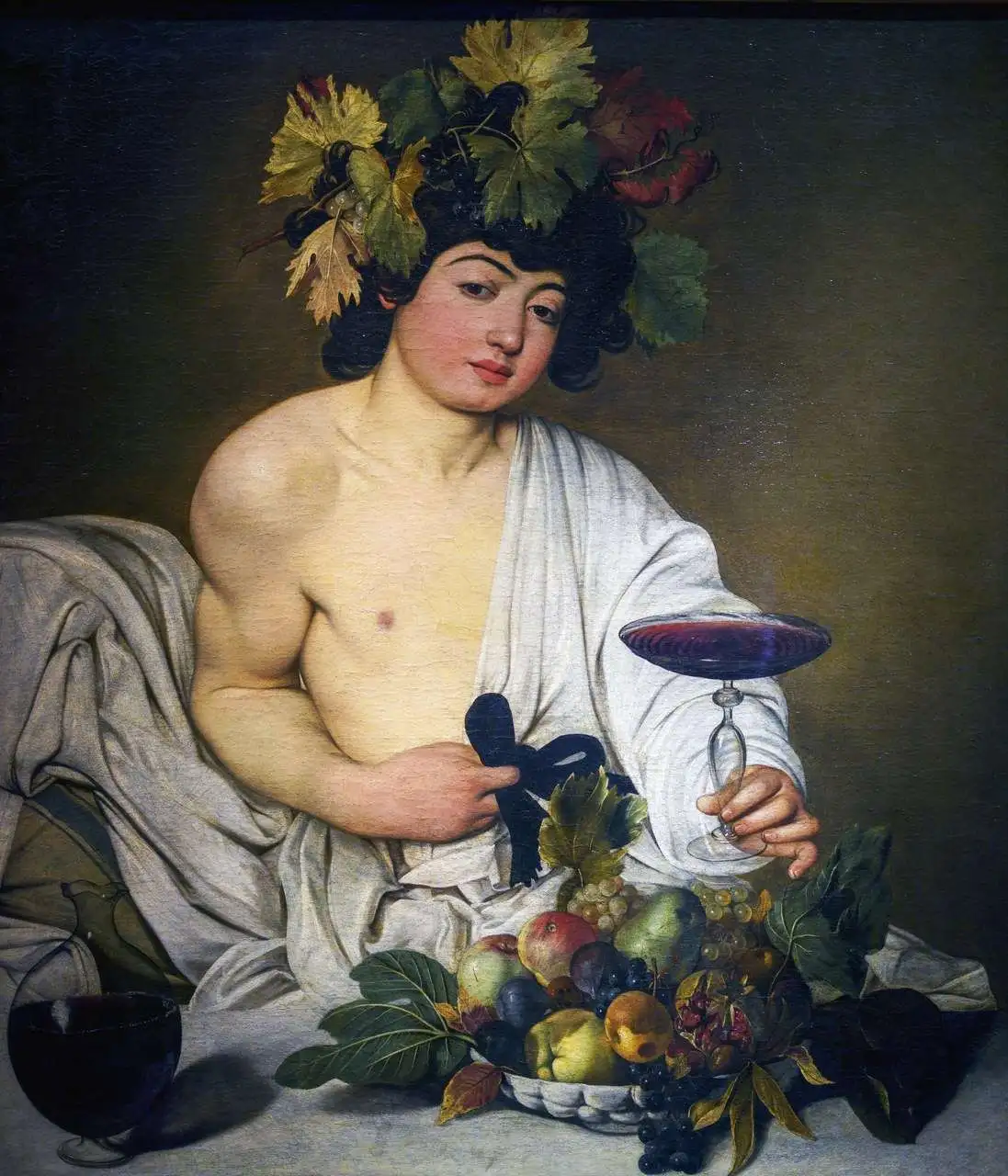
Caravaggio · c.1596
Bacchus
Mini · Petite · Small · Medium
From $10.82 USD
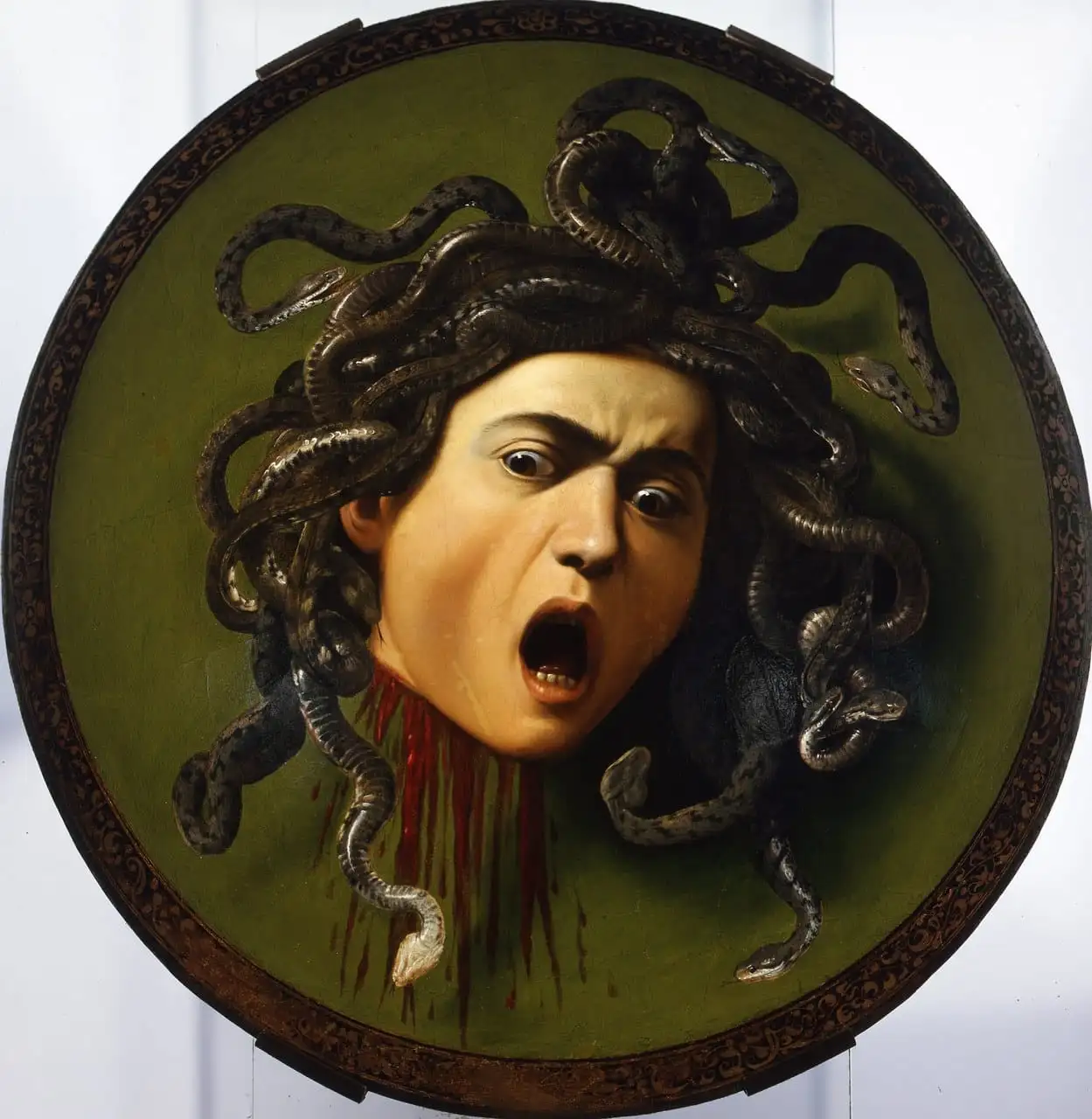
Caravaggio · 1597
Medusa
Mini · Petite · Small
From $10.82 USD
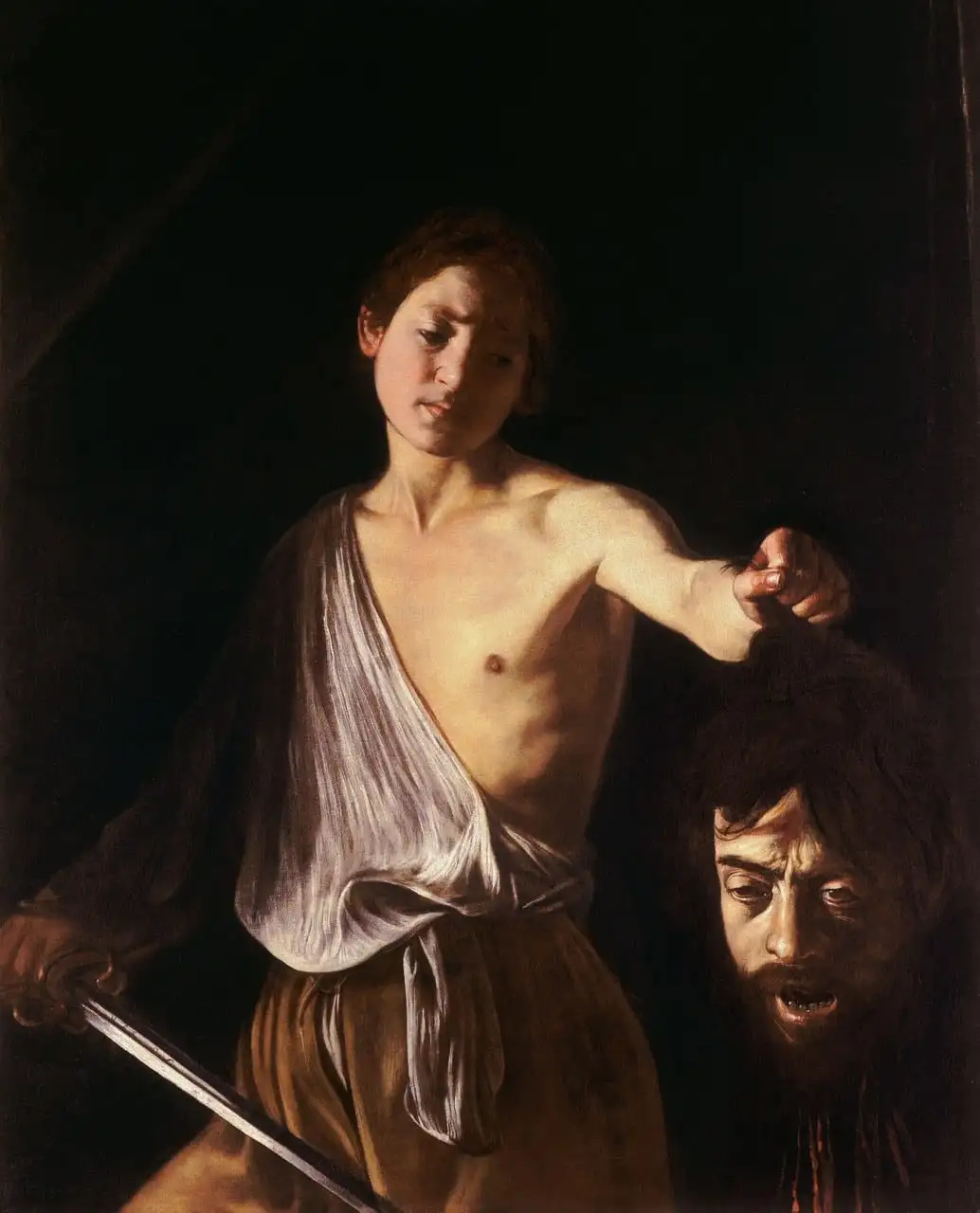
Caravaggio · c.1610
David with the Head of Goliath
Mini · Petite · Small · Medium · Large
From $10.82 USD
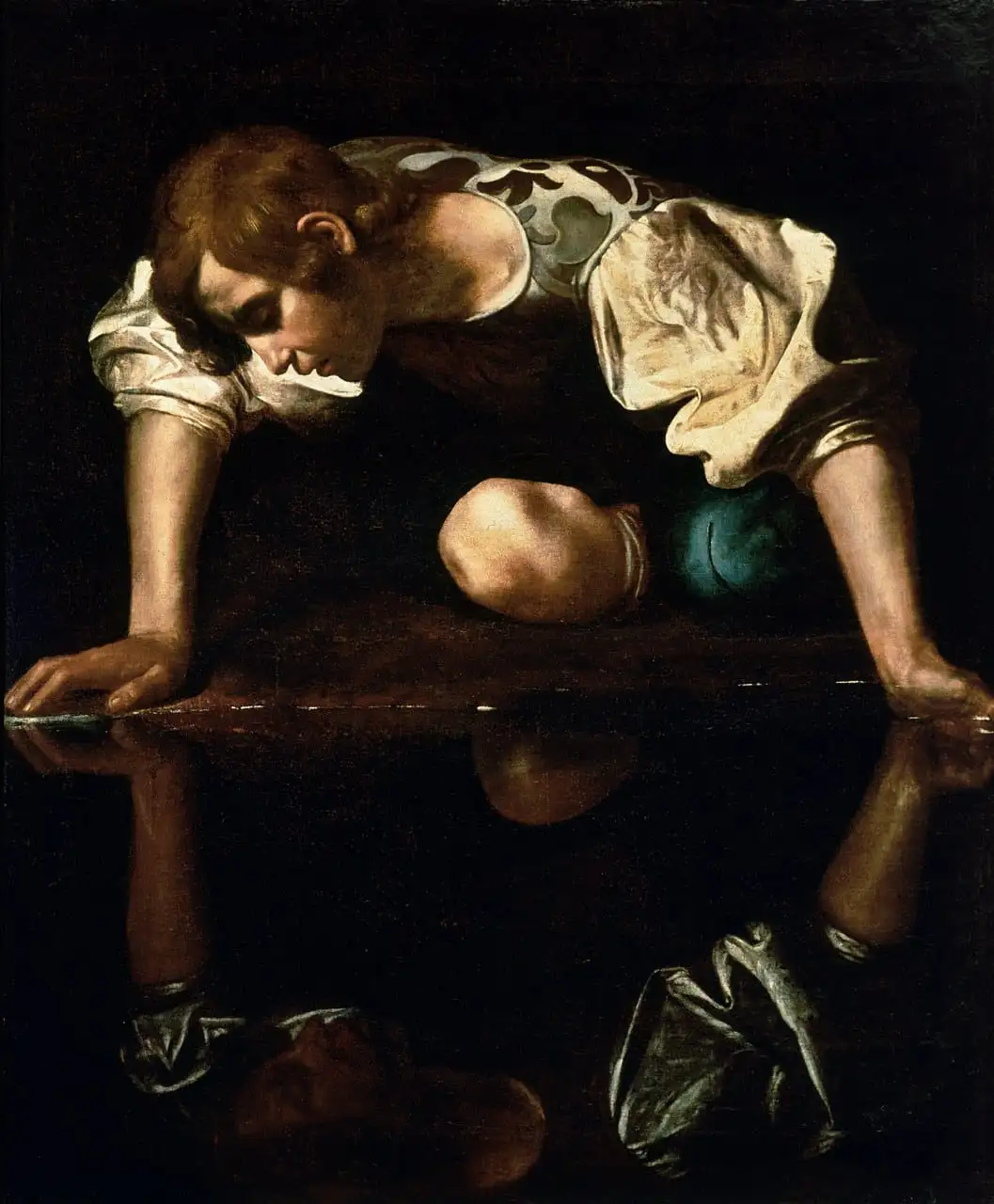
Caravaggio · c.1597–99
Narcissus
Mini · Petite · Small · Medium · Large
From $10.82 USD