Sandro Botticelli · c.1482
Pallas and the Centaur
Posters from $10.82 USD · Canvas from $28.14 USD
Ships anywhere in the USA
Athena in olive crown and diaphanous gown grasping the hair of a humiliated centaur — wisdom triumphing over base nature. Uffizi.
Up to 36 × 50.9 in · portrait
Size
Format & finish
Archival cotton canvas stretched over a wooden frame. Ready to hang as-is. No external frame.
Scale next to a 5'10" person
No sales tax added at checkout
Visa · Mastercard · Amex · Discover · Apple Pay · Google Pay
Materials & quality
›Canvas & inks
Giclée-printed on archival cotton canvas with fade-resistant pigment inks, hand-stretched over wooden bars. Gallery-wrapped — ready to hang with no extra frame needed.
›Floater frame
Hand-finished solid wood floater frame in five finishes. The canvas sits inside with a clean shadow gap — the way galleries hang contemporary canvas.
›Posters
Premium archival paper — 200 gsm soft matte or 230 gsm vibrant glossy. Ships flat or rolled, ready for your own frame.
›Faithful to the source
Printed from the highest-resolution museum and archive scans available. Each painting's maximum size is capped at what its source scan can support at gallery quality.
The story of Pallas and the Centaur
Pallas and the Centaur is a painting by the Italian Renaissance painter Sandro Botticelli, c. 1482. It is now in the Uffizi Gallery in Florence. It has been proposed as a companion piece to his Primavera, though it is a different shape. The medium used is tempera paints on canvas and its size is 207 x 148 cm. The painting has been retouched in many places, and these retouchings have faded.
Adapted from Wikipedia, available under CC BY-SA 4.0.
Sandro Botticelli
Alessandro di Mariano di Vanni Filipepi, better known as Sandro Botticelli or simply Botticelli, was an Italian painter of the Early Renaissance. Botticelli's posthumous reputation suffered until the late 19th century, when he was rediscovered by the Pre-Raphaelites who stimulated a reappraisal of his work. Since then, his paintings have been seen to represent the linear grace of late Italian Gothic and some Early Renaissance painting, even though they date from the latter half of the Italian Renaissance period.
All Sandro Botticelli prints →Biography adapted from Wikipedia, available under CC BY-SA 4.0.
You may also like
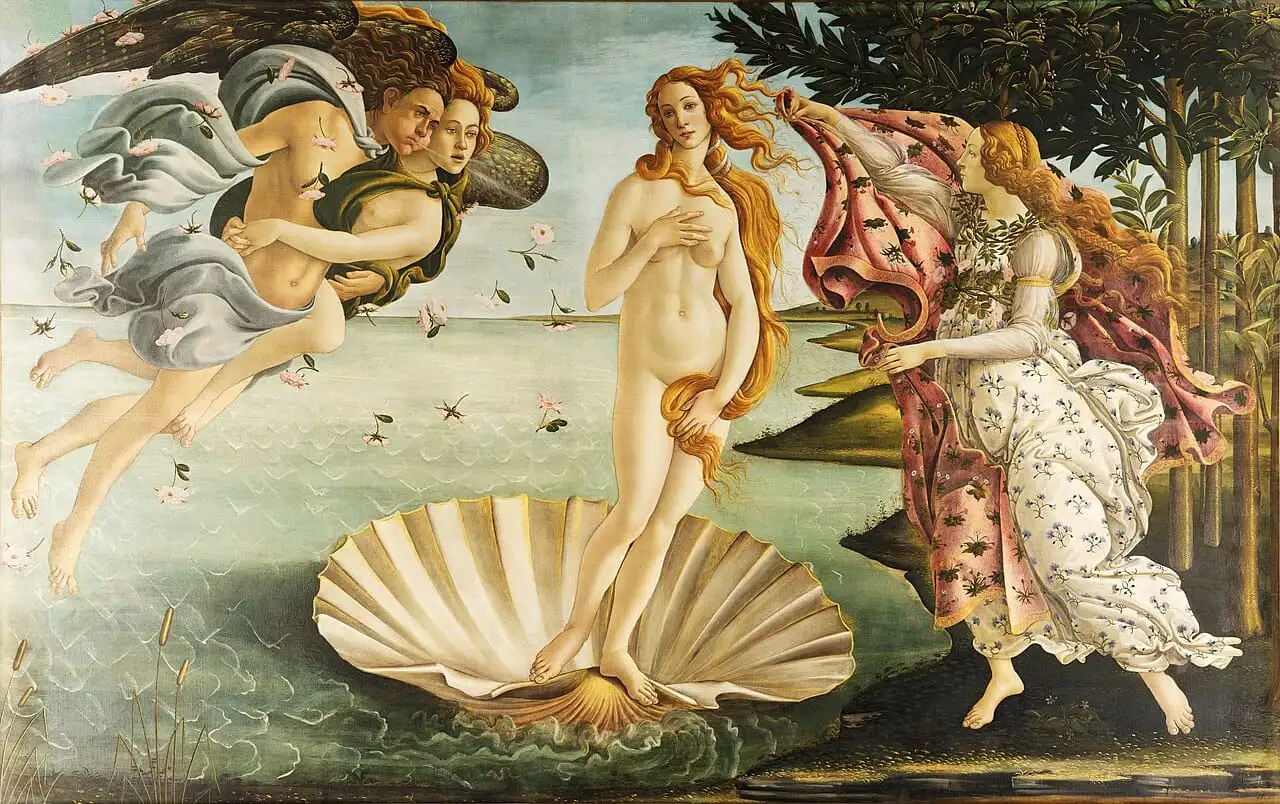
Sandro Botticelli · c. 1485
The Birth of Venus
Mini · Petite · Small · Medium · Large · Extra Large
From $10.82 USD
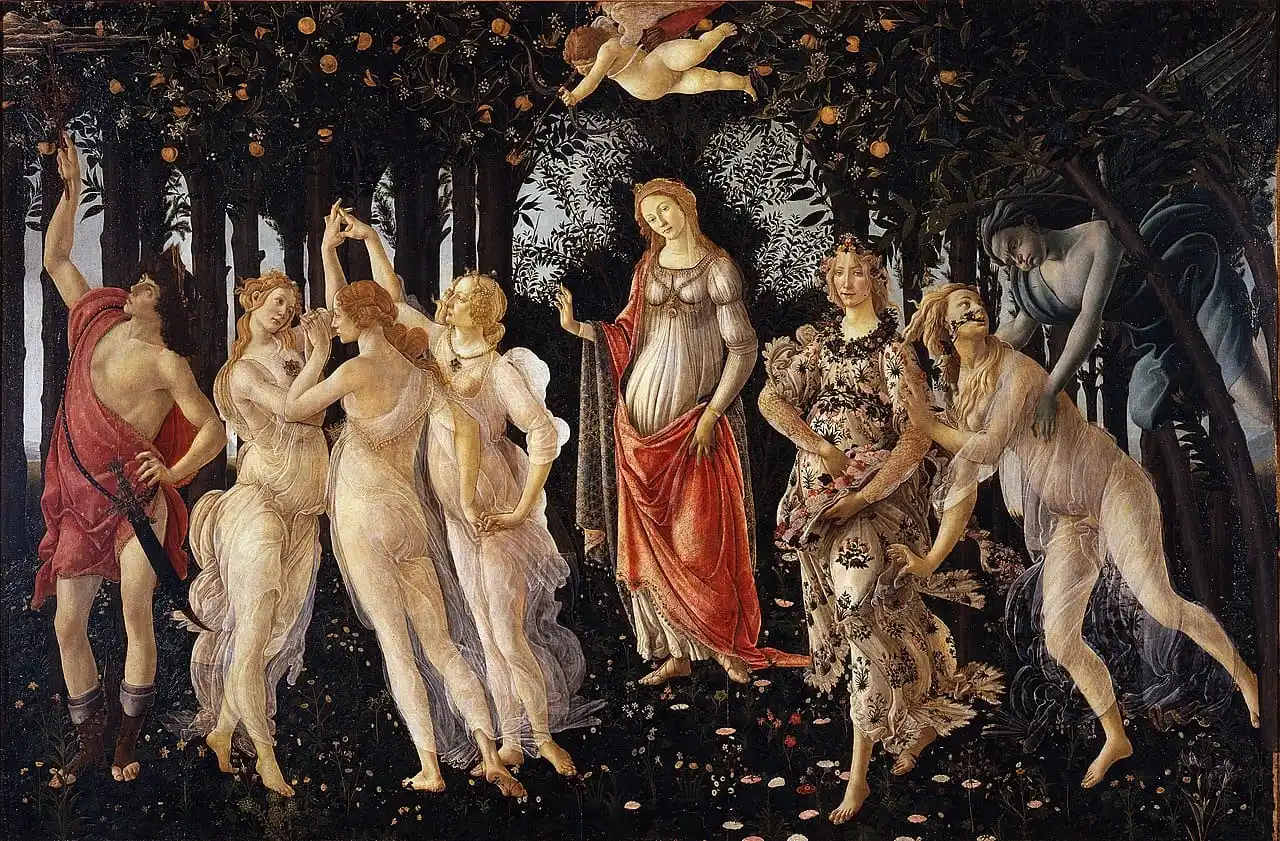
Sandro Botticelli · c. 1480
Primavera
Mini · Petite · Small · Medium
From $10.82 USD
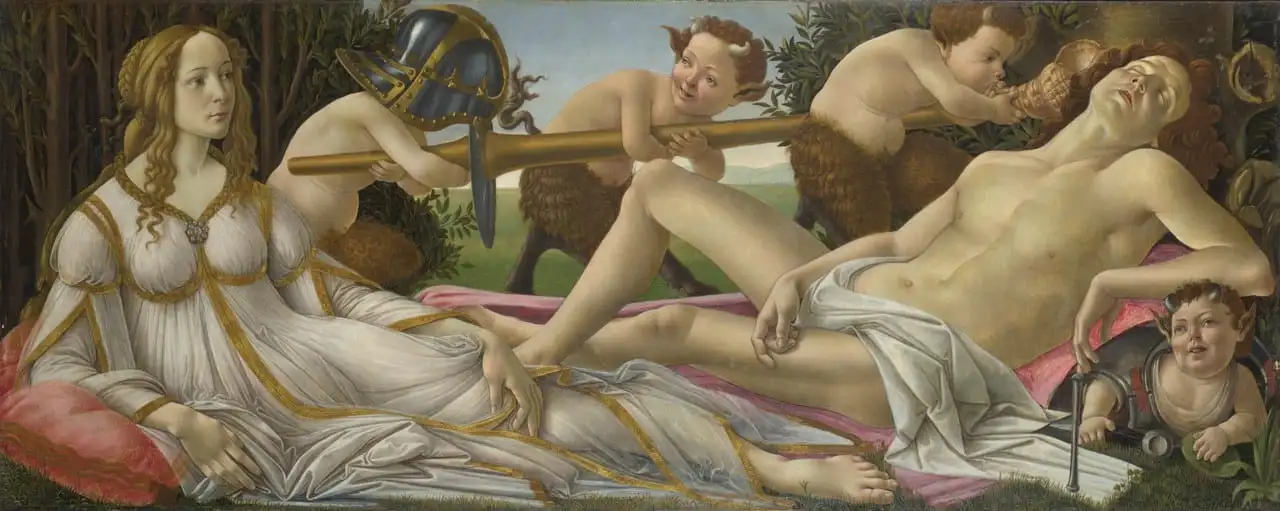
Sandro Botticelli · c.1483
Venus and Mars
Mini · Petite · Small · Medium · Large
From $10.82 USD
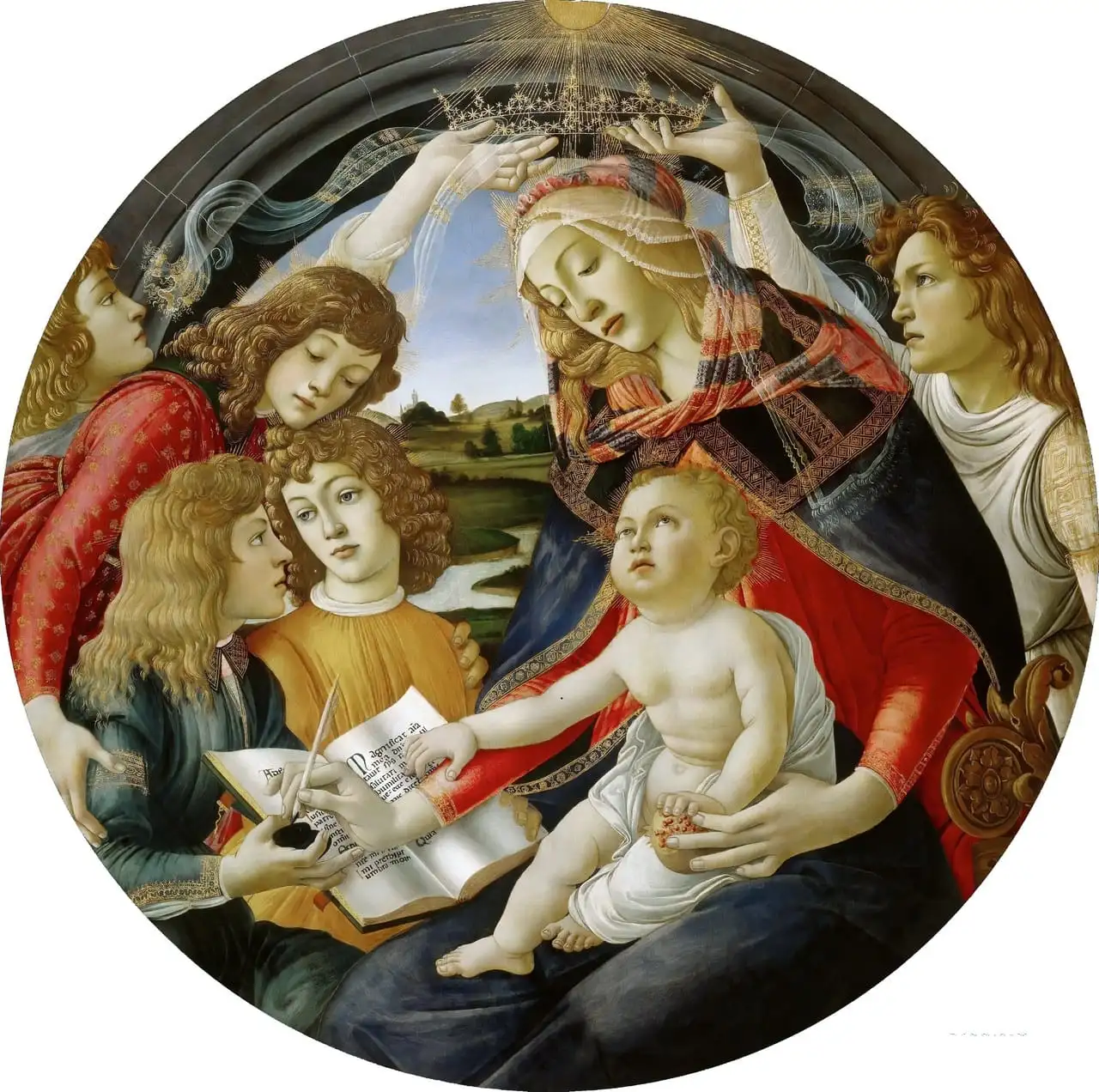
Sandro Botticelli · c.1481
Madonna of the Magnificat
Mini · Petite
From $10.82 USD
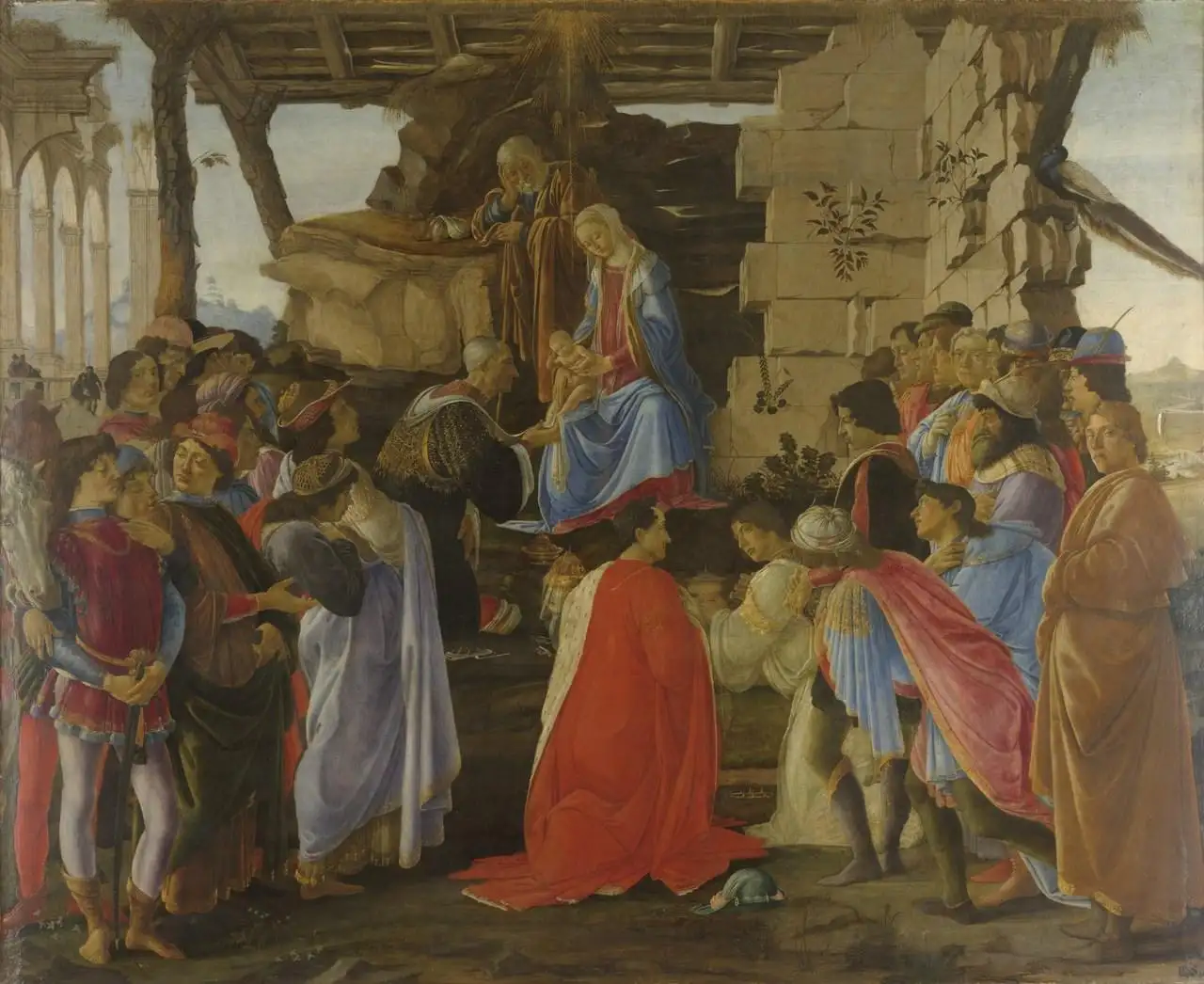
Sandro Botticelli · c.1475
Adoration of the Magi
Mini · Petite · Small · Medium · Large
From $10.82 USD
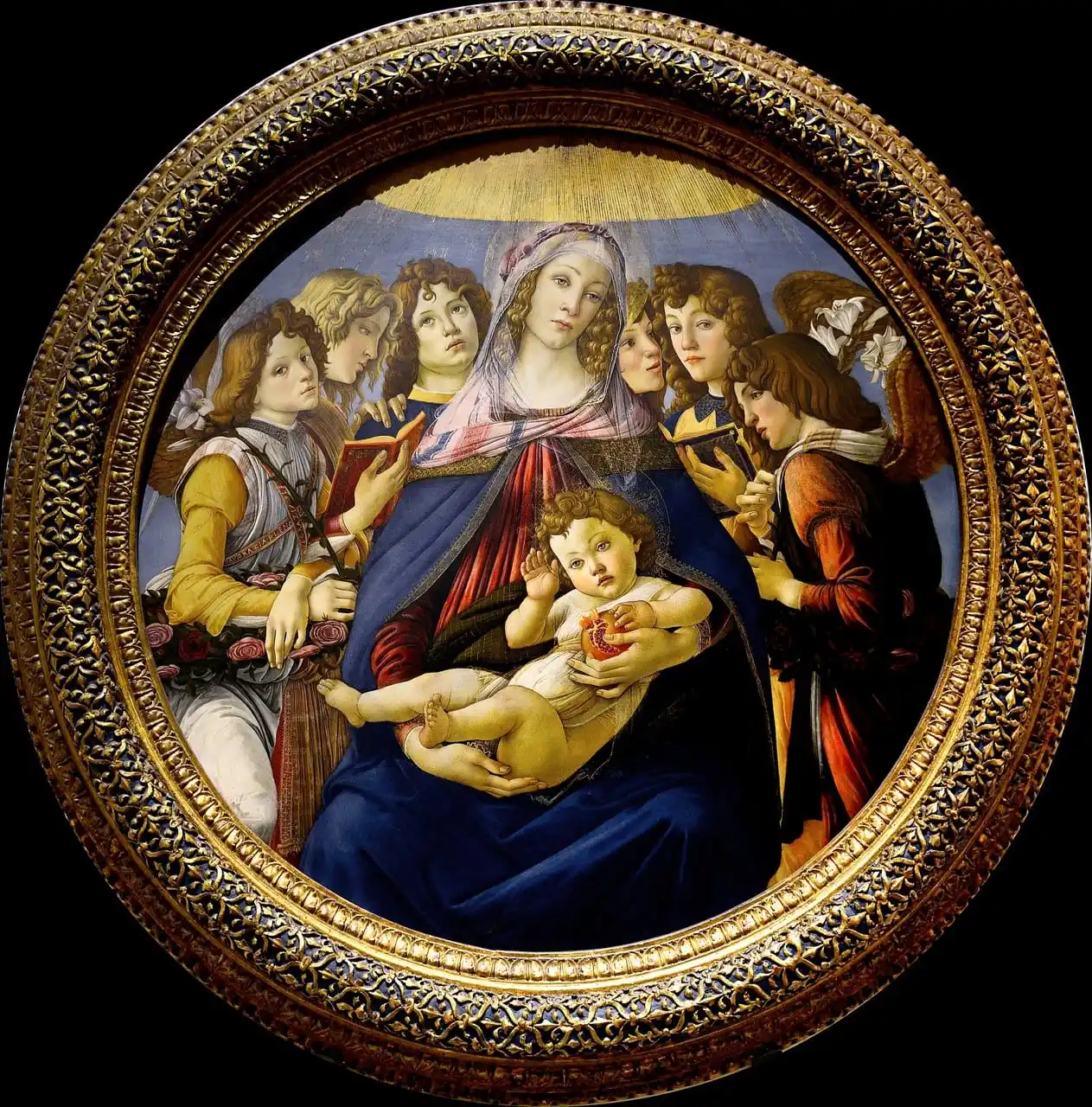
Sandro Botticelli · c.1487
Madonna of the Pomegranate
Mini · Petite · Small
From $10.82 USD