Francisco de Zurbarán · 1633
Still Life with Lemons, Oranges and a Rose
Posters from $10.82 USD · Canvas from $28.14 USD
Ships anywhere in the USA
Three simple things on a wooden ledge — lemons, oranges in a basket with leaves, a cup of water with a rose — Spanish bodegón at its most contemplative. Norton Simon Museum.
Up to 14.1 × 8 in · landscape
Size
Larger sizes are unavailable for this painting because the source scan's resolution wouldn't print at gallery quality.
Format & finish
Archival cotton canvas stretched over a wooden frame. Ready to hang as-is. No external frame.
Scale next to a 5'10" person
No sales tax added at checkout
Visa · Mastercard · Amex · Discover · Apple Pay · Google Pay
Materials & quality
›Canvas & inks
Giclée-printed on archival cotton canvas with fade-resistant pigment inks, hand-stretched over wooden bars. Gallery-wrapped — ready to hang with no extra frame needed.
›Floater frame
Hand-finished solid wood floater frame in five finishes. The canvas sits inside with a clean shadow gap — the way galleries hang contemporary canvas.
›Posters
Premium archival paper — 200 gsm soft matte or 230 gsm vibrant glossy. Ships flat or rolled, ready for your own frame.
›Faithful to the source
Printed from the highest-resolution museum and archive scans available. Each painting's maximum size is capped at what its source scan can support at gallery quality.
The story of Still Life with Lemons, Oranges and a Rose
Still Life with Lemons, Oranges and a Rose is an oil-on-canvas painting by Baroque Spanish artist Francisco de Zurbarán completed in 1633. It is currently displayed at the Norton Simon Museum in Pasadena, California as part of its permanent collection. It is the only still life signed and dated by him and is considered a masterwork of the genre.
Adapted from Wikipedia, available under CC BY-SA 4.0.
Francisco de Zurbarán
Francisco de Zurbarán was a Spanish Baroque painter. He is known primarily for his religious paintings depicting monks, nuns, and martyrs, and for his still-lifes. Zurbarán gained the nickname "Spanish Caravaggio", owing to the forceful use of chiaroscuro in which he excelled.
All Francisco de Zurbarán prints →Biography adapted from Wikipedia, available under CC BY-SA 4.0.
You may also like
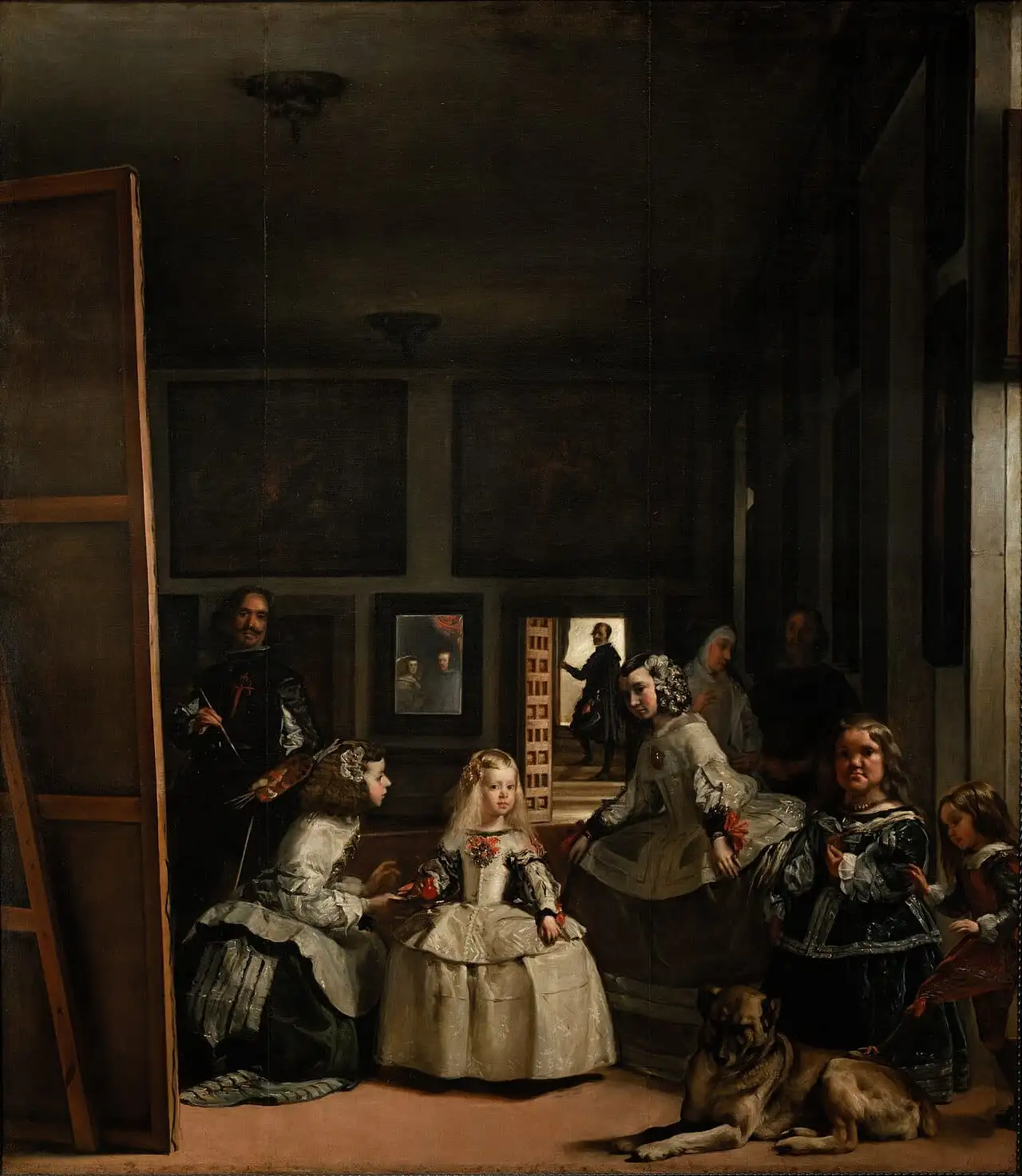
Diego Velázquez · 1656
Las Meninas
Mini · Petite · Small · Medium · Large · Extra Large
From $10.82 USD
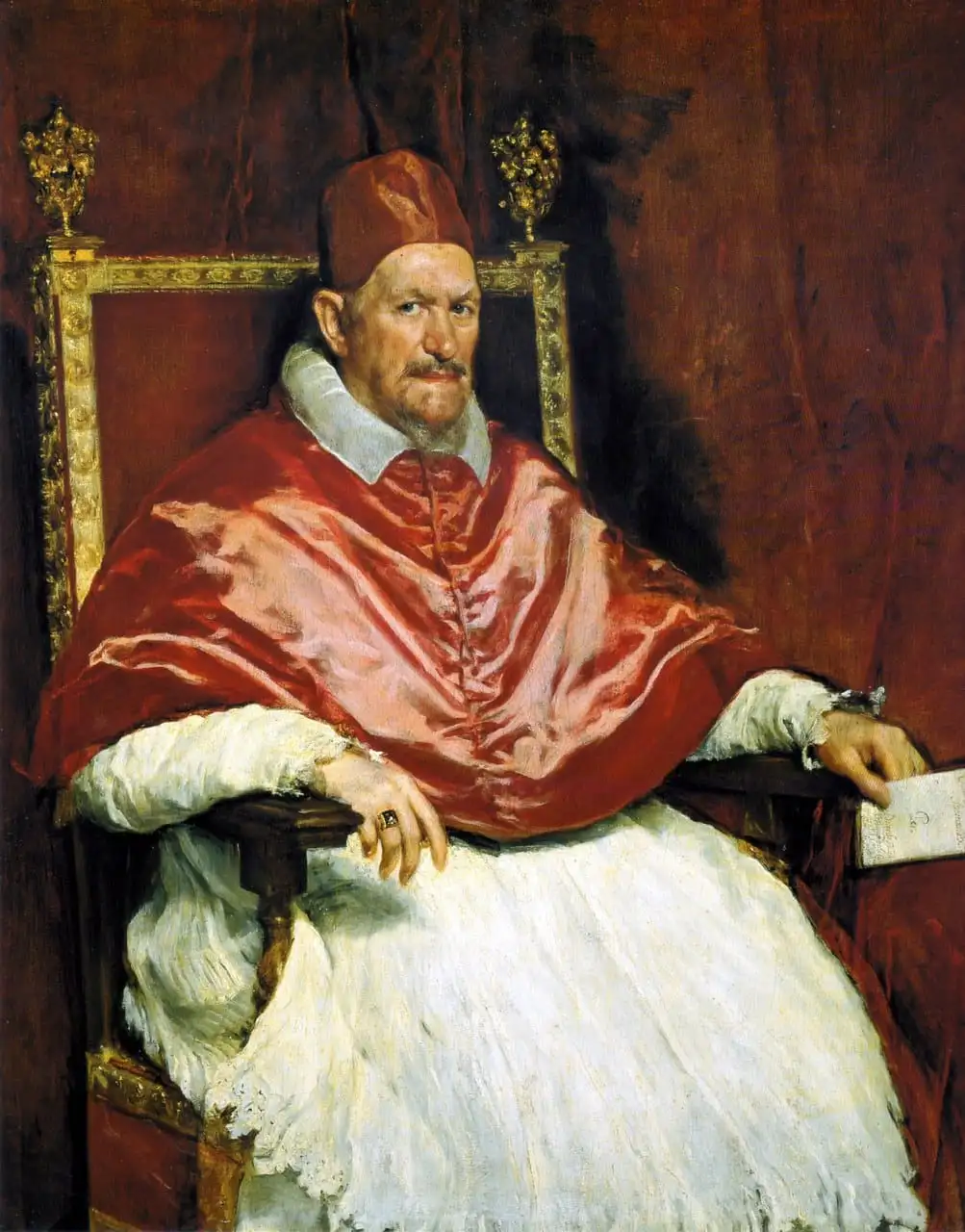
Diego Velázquez · 1650
Portrait of Pope Innocent X
Mini · Petite · Small · Medium
From $10.82 USD
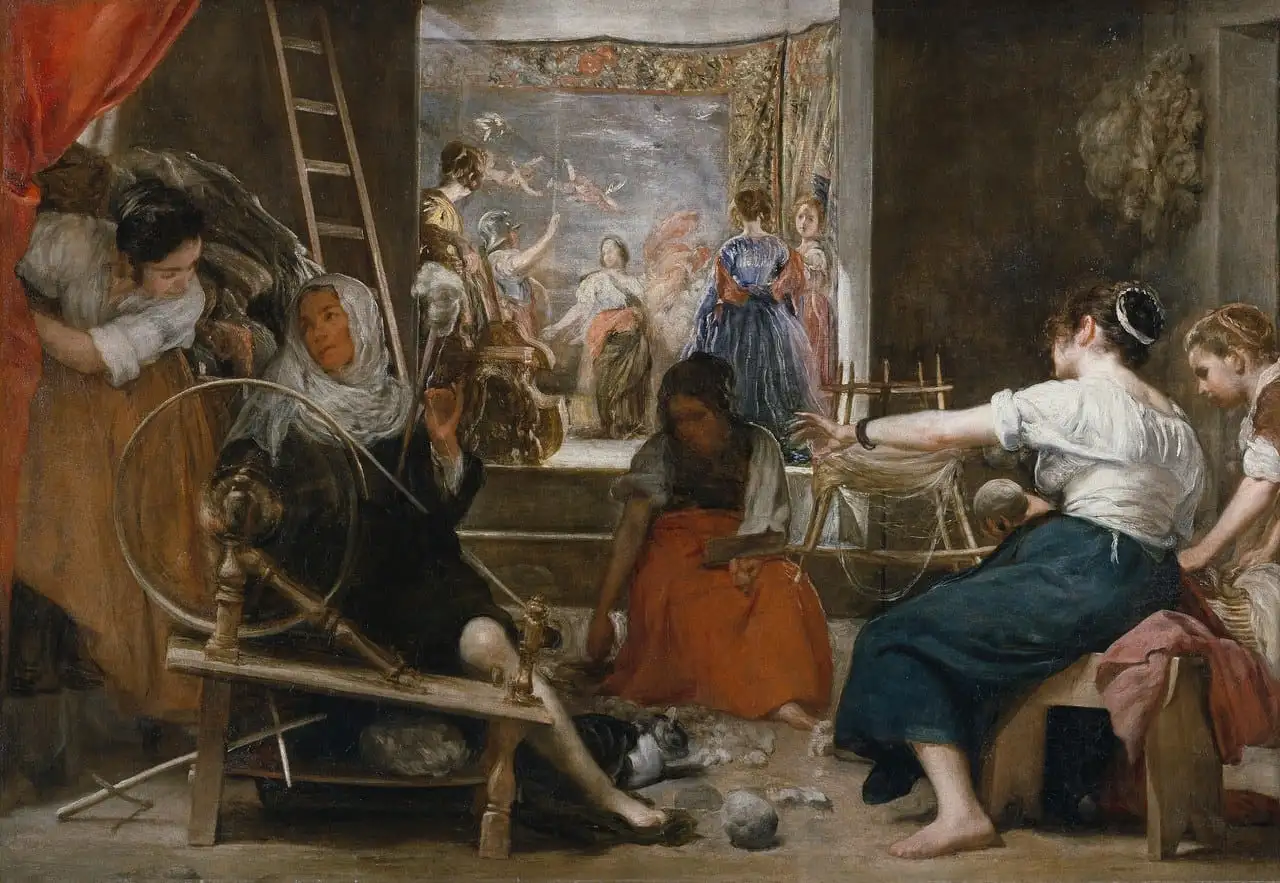
Diego Velázquez · c. 1657
Las Hilanderas (The Spinners)
Mini · Petite
From $10.82 USD
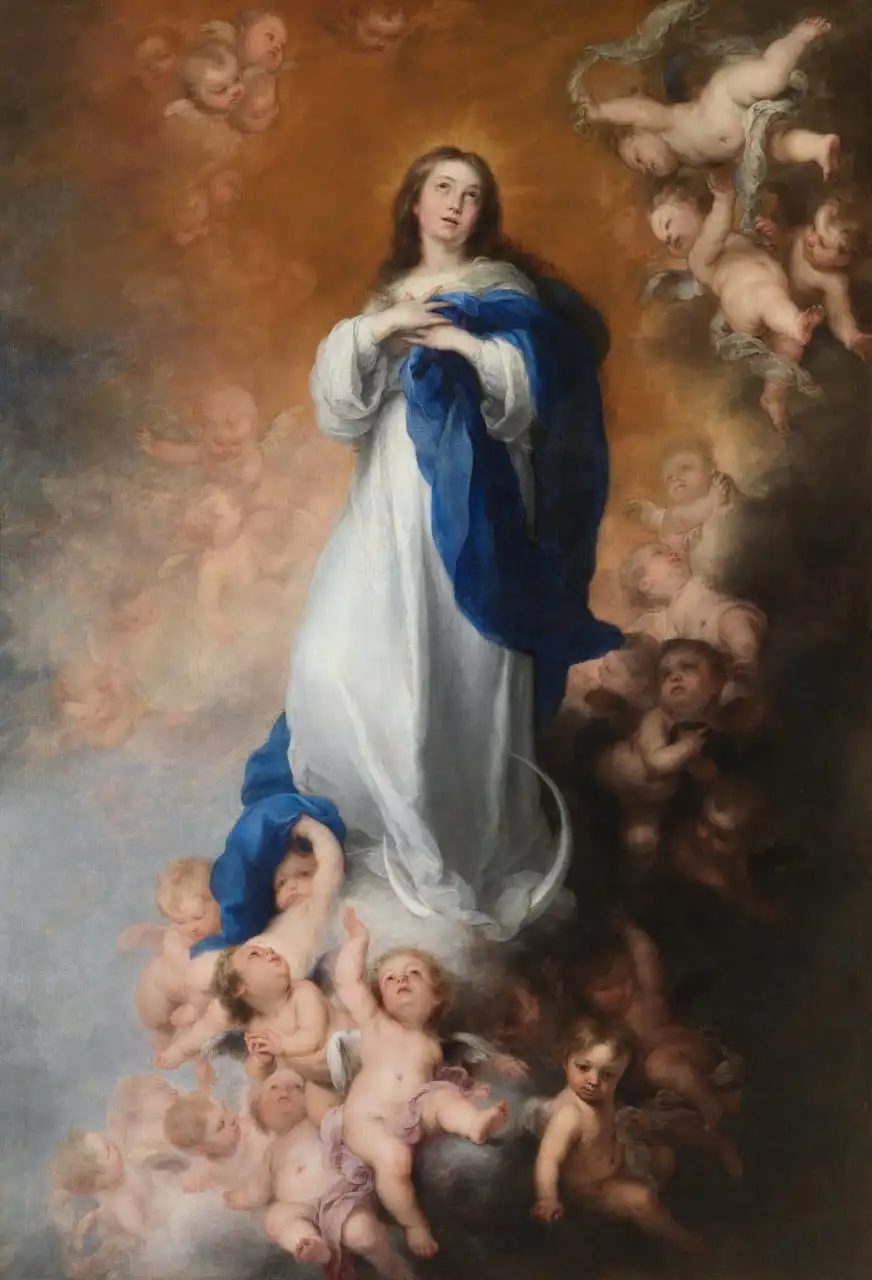
Bartolomé Esteban Murillo · c.1678
Immaculate Conception
Mini · Petite
From $10.82 USD
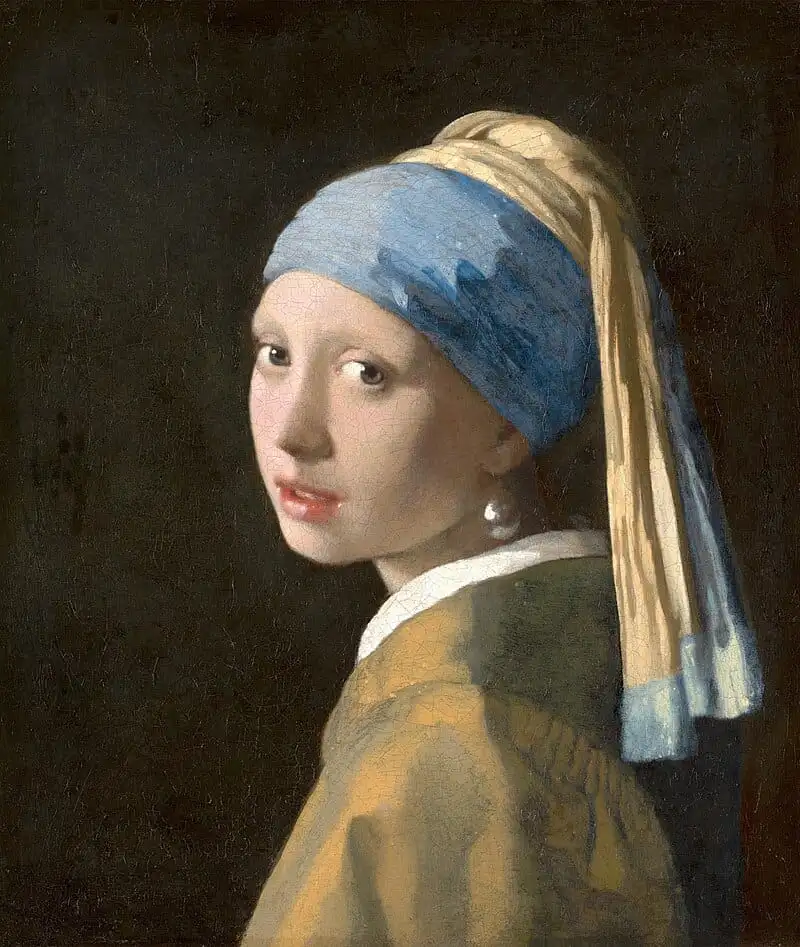
Johannes Vermeer · c. 1665
Girl with a Pearl Earring
Mini · Petite · Small · Medium · Large · Extra Large
From $10.82 USD
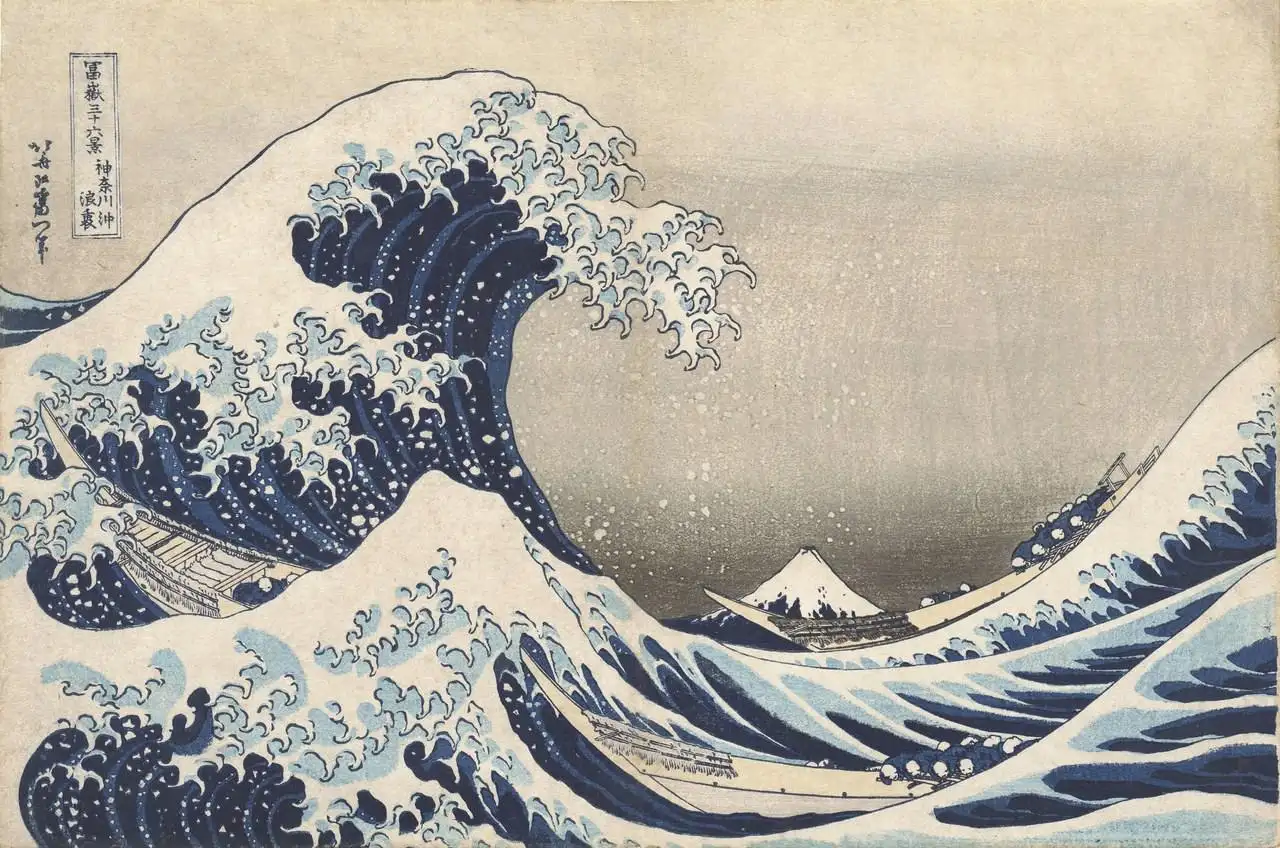
Katsushika Hokusai · c. 1831
The Great Wave off Kanagawa
Mini · Petite · Small · Medium
From $10.82 USD