Jan van Eyck · c.1435
Madonna of Chancellor Rolin
Posters from $10.82 USD · Canvas from $28.14 USD
Ships anywhere in the USA
The Burgundian chancellor Nicolas Rolin facing the Virgin and Child across an arched loggia, a tiny Flemish city visible behind them. Louvre.
Up to 8 × 8.3 in · portrait
Size
Larger sizes are unavailable for this painting because the source scan's resolution wouldn't print at gallery quality.
Format & finish
Archival cotton canvas stretched over a wooden frame. Ready to hang as-is. No external frame.
Scale next to a 5'10" person
No sales tax added at checkout
Visa · Mastercard · Amex · Discover · Apple Pay · Google Pay
Materials & quality
›Canvas & inks
Giclée-printed on archival cotton canvas with fade-resistant pigment inks, hand-stretched over wooden bars. Gallery-wrapped — ready to hang with no extra frame needed.
›Floater frame
Hand-finished solid wood floater frame in five finishes. The canvas sits inside with a clean shadow gap — the way galleries hang contemporary canvas.
›Posters
Premium archival paper — 200 gsm soft matte or 230 gsm vibrant glossy. Ships flat or rolled, ready for your own frame.
›Faithful to the source
Printed from the highest-resolution museum and archive scans available. Each painting's maximum size is capped at what its source scan can support at gallery quality.
The story of Madonna of Chancellor Rolin
The Madonna of Chancellor Rolin is an oil painting by the Early Netherlandish painter Jan van Eyck, dating from around 1435. It is now in the Musée du Louvre, Paris. It was commissioned by Nicolas Rolin chancellor of the Duchy of Burgundy, then aged about 60, whose votive portrait takes up the left side of the picture, for his parish church, Notre-Dame-du-Chastel in Autun, where it remained until the church burnt down in 1793. After a period in Autun Cathedral, it was moved to the Louvre in 1805.
Adapted from Wikipedia, available under CC BY-SA 4.0.
Jan van Eyck
Jan van Eyck was an early Netherlandish painter active in Bruges who was one of the early innovators of what became known as Early Netherlandish painting, and one of the supreme figures of the Early Northern Renaissance. Such was his legacy, that he has been called “the inventor of oil-painting” by Vasari, Ernst Gombrich, and others, although this claim is now considered an oversimplification.
All Jan van Eyck prints →Biography adapted from Wikipedia, available under CC BY-SA 4.0.
You may also like
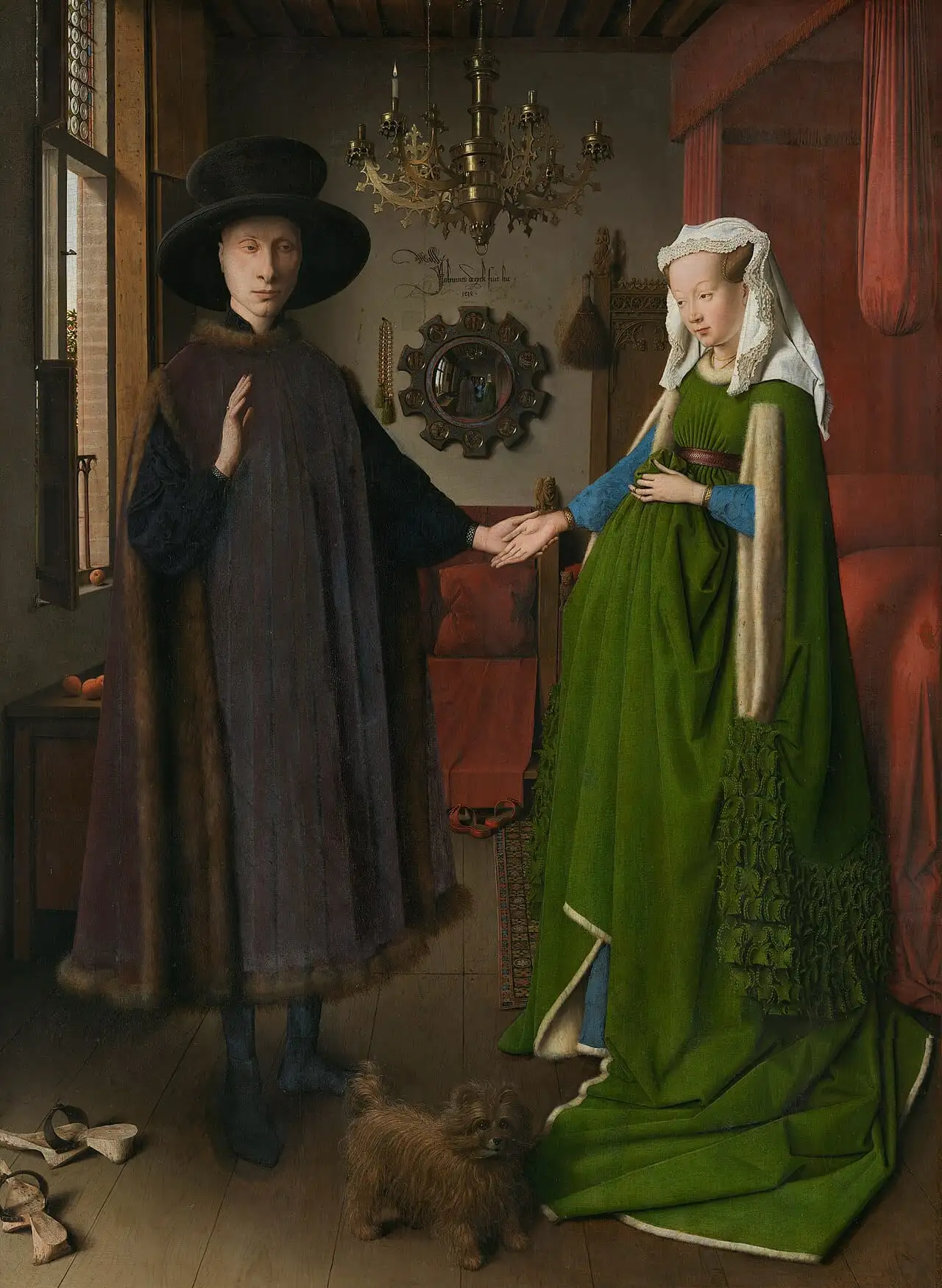
Jan van Eyck · 1434
The Arnolfini Portrait
Mini · Petite · Small · Medium · Large · Extra Large
From $10.82 USD
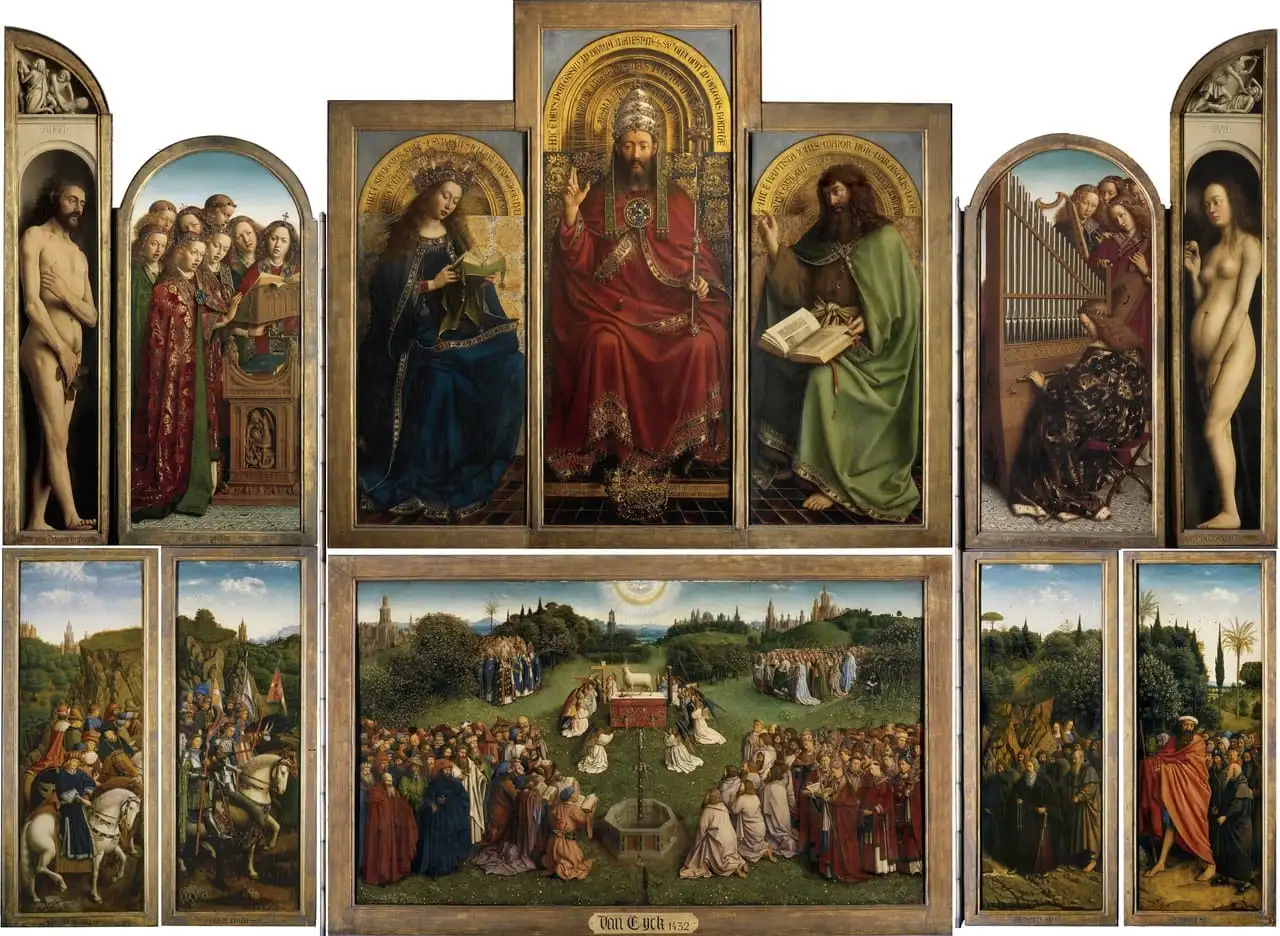
Jan van Eyck · 1432
The Adoration of the Mystic Lamb (Ghent Altarpiece)
Mini · Petite · Small · Medium
From $10.82 USD
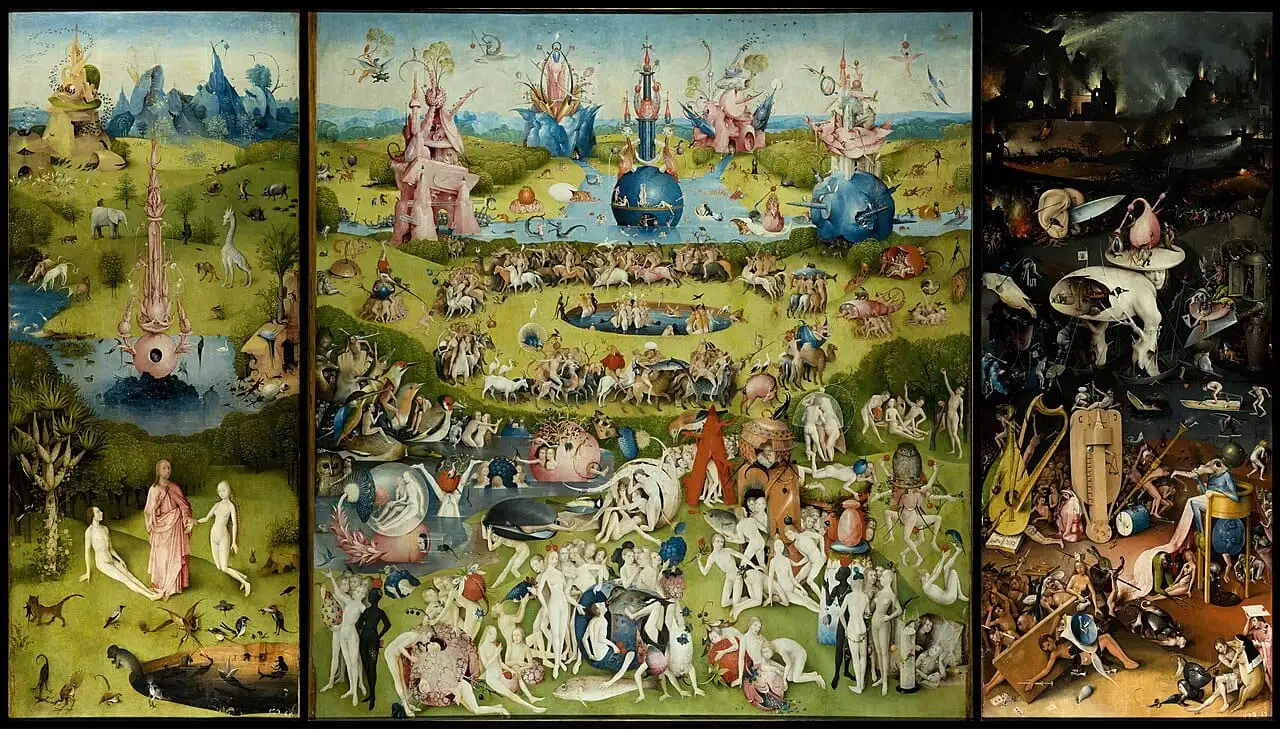
Hieronymus Bosch · c. 1490–1510
The Garden of Earthly Delights
Mini · Petite · Small · Medium · Large · Extra Large
From $10.82 USD
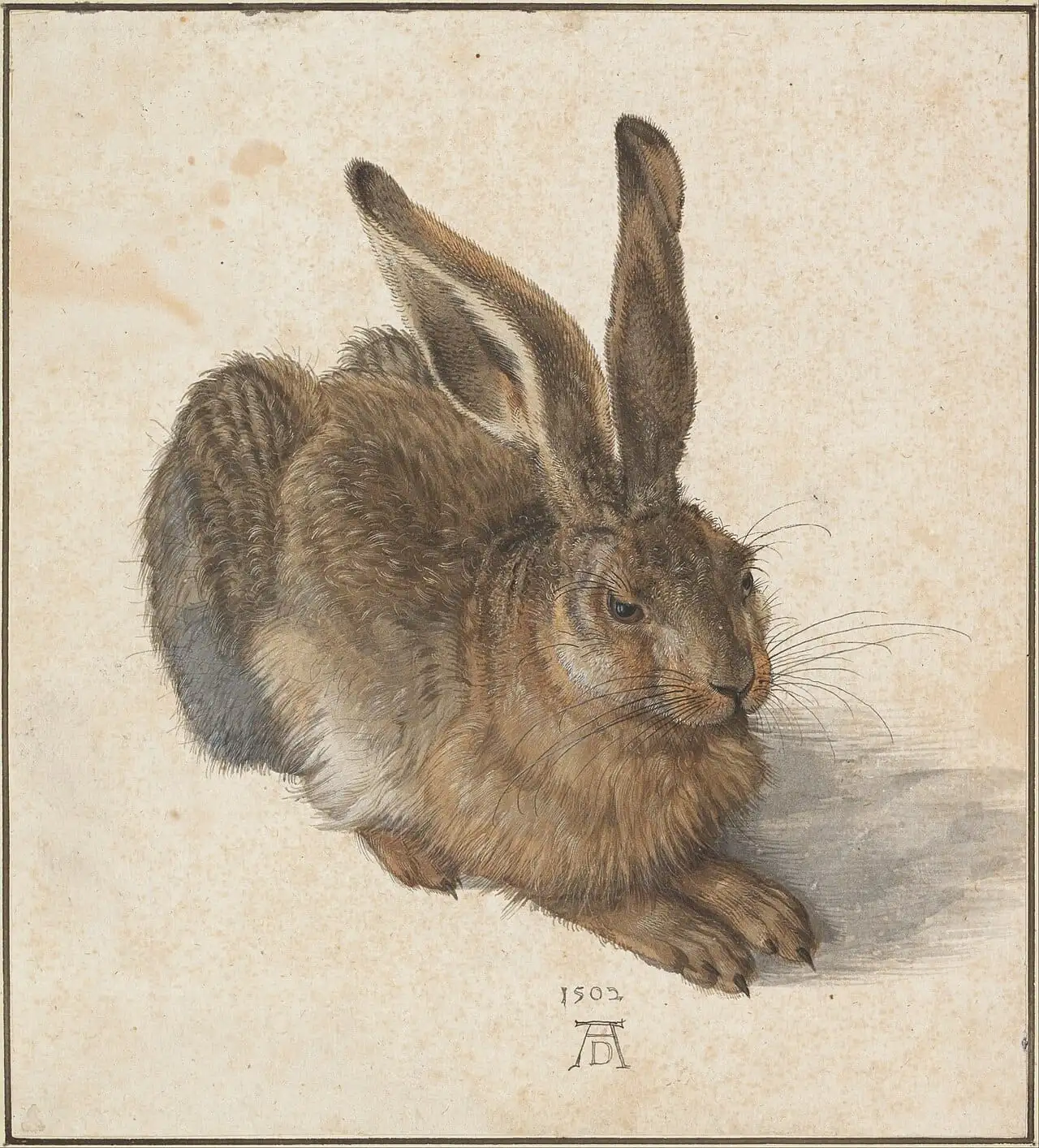
Albrecht Dürer · 1502
Young Hare
Mini · Petite · Small
From $10.82 USD
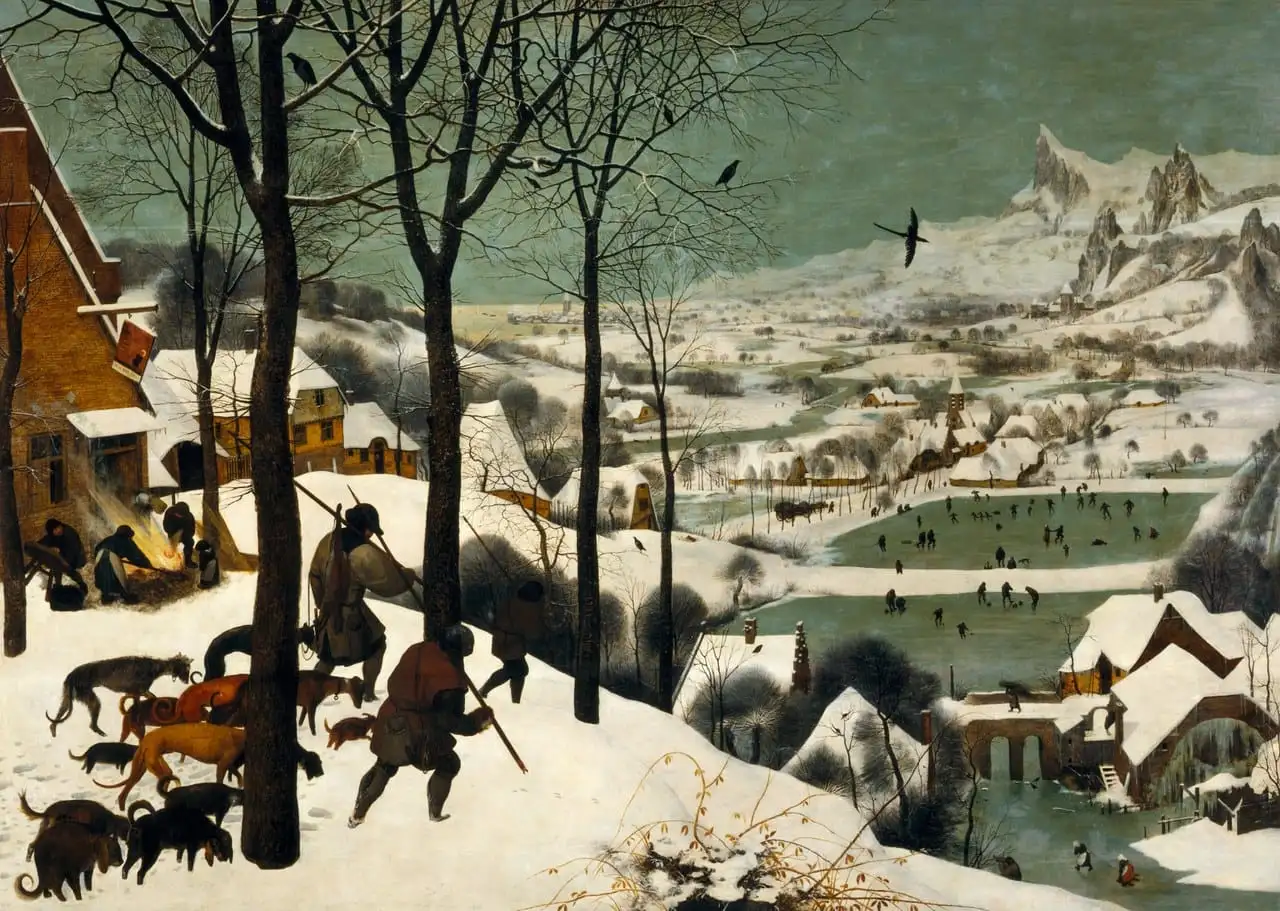
Pieter Bruegel the Elder · 1565
The Hunters in the Snow
Mini · Petite · Small · Medium
From $10.82 USD
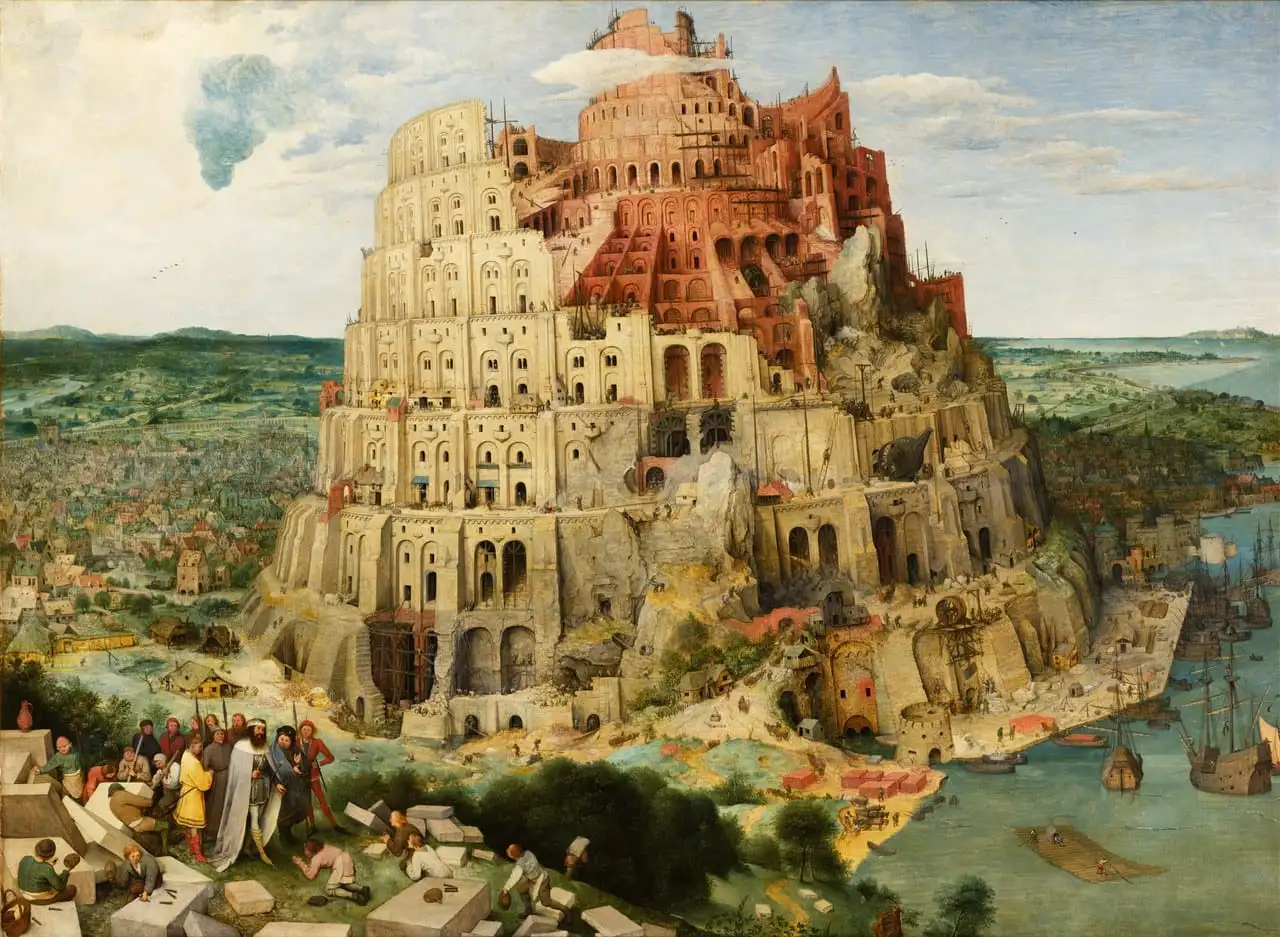
Pieter Bruegel the Elder · 1563
The Tower of Babel
Mini · Petite · Small · Medium · Large · Extra Large
From $10.82 USD