Rogier van der Weyden · c.1435
Descent from the Cross
Posters from $10.82 USD · Canvas from $28.14 USD
Ships anywhere in the USA
Van der Weyden's compressed, gold-ground Lamentation — ten over-life-sized figures crammed into a stage-set tomb, their grief sculptural. Prado, Madrid.
Up to 46.4 × 36 in · landscape
Size
Format & finish
Archival cotton canvas stretched over a wooden frame. Ready to hang as-is. No external frame.
Scale next to a 5'10" person
No sales tax added at checkout
Visa · Mastercard · Amex · Discover · Apple Pay · Google Pay
Materials & quality
›Canvas & inks
Giclée-printed on archival cotton canvas with fade-resistant pigment inks, hand-stretched over wooden bars. Gallery-wrapped — ready to hang with no extra frame needed.
›Floater frame
Hand-finished solid wood floater frame in five finishes. The canvas sits inside with a clean shadow gap — the way galleries hang contemporary canvas.
›Posters
Premium archival paper — 200 gsm soft matte or 230 gsm vibrant glossy. Ships flat or rolled, ready for your own frame.
›Faithful to the source
Printed from the highest-resolution museum and archive scans available. Each painting's maximum size is capped at what its source scan can support at gallery quality.
The story of Descent from the Cross
The Descent from the Cross is a panel painting by the Flemish artist Rogier van der Weyden created c. 1435, now in the Museo del Prado, Madrid. The crucified Christ is lowered from the cross, his lifeless body held by Joseph of Arimathea and Nicodemus.
Adapted from Wikipedia, available under CC BY-SA 4.0.
Rogier van der Weyden
Rogier van der Weyden, initially known as Roger de la Pasture, was an early Netherlandish painter whose surviving works consist mainly of religious triptychs, altarpieces, and commissioned single and diptych portraits. He was highly successful in his lifetime; his paintings were exported to Italy and Spain, and he received commissions from, amongst others, Philip the Good, Netherlandish nobility, and foreign aristocrats. By the latter half of the 15th century, he had eclipsed Jan van Eyck in popularity. However his fame lasted only until the 17th century, and largely due to changing taste, he was almost totally forgotten by the mid-18th century. His reputation was slowly rebuilt during the 200 years that followed; today he is known, with Robert Campin and van Eyck, as the third of the three great Early Netherlandish artists, and widely as the most influential Northern painter of the 15th century.
All Rogier van der Weyden prints →Biography adapted from Wikipedia, available under CC BY-SA 4.0.
You may also like
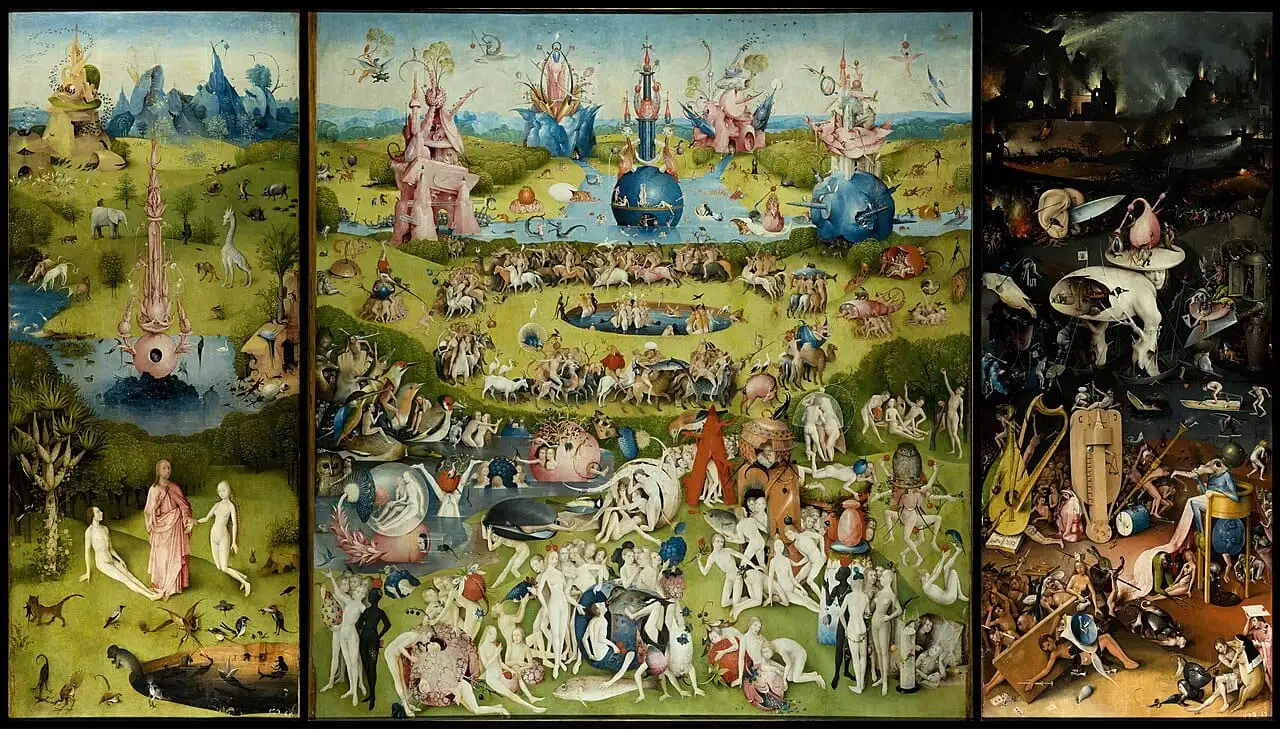
Hieronymus Bosch · c. 1490–1510
The Garden of Earthly Delights
Mini · Petite · Small · Medium · Large · Extra Large
From $10.82 USD
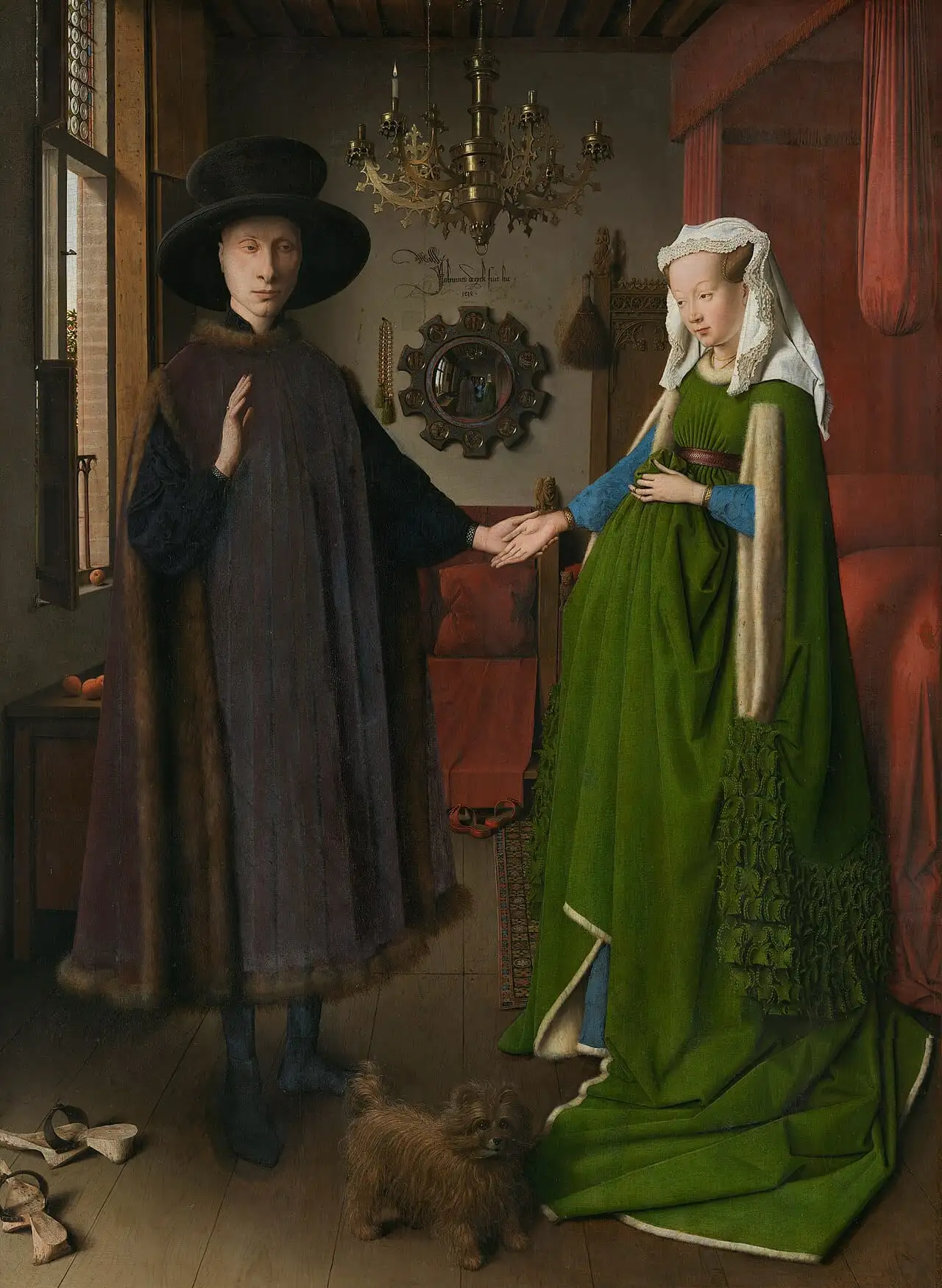
Jan van Eyck · 1434
The Arnolfini Portrait
Mini · Petite · Small · Medium · Large · Extra Large
From $10.82 USD
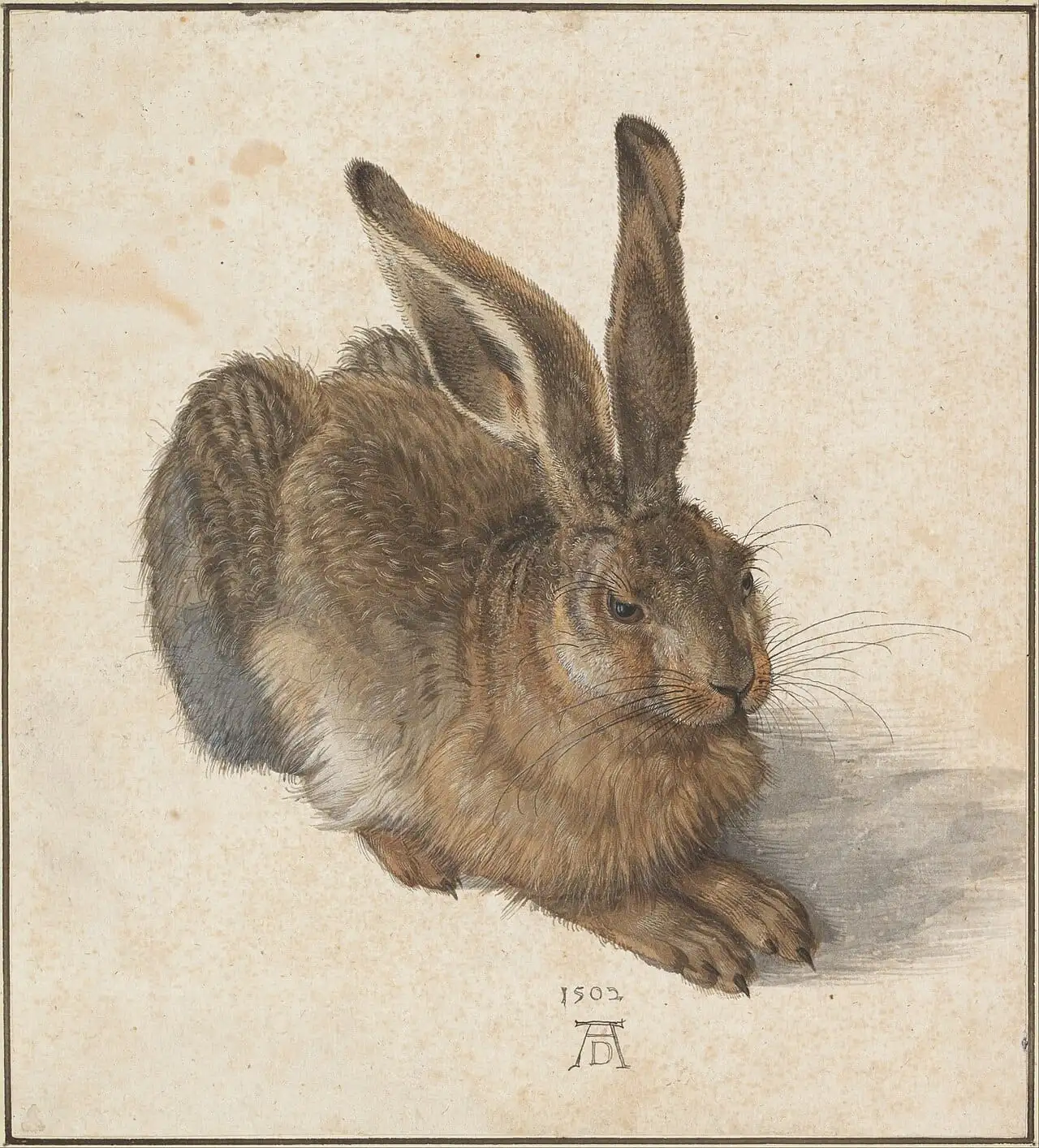
Albrecht Dürer · 1502
Young Hare
Mini · Petite · Small
From $10.82 USD
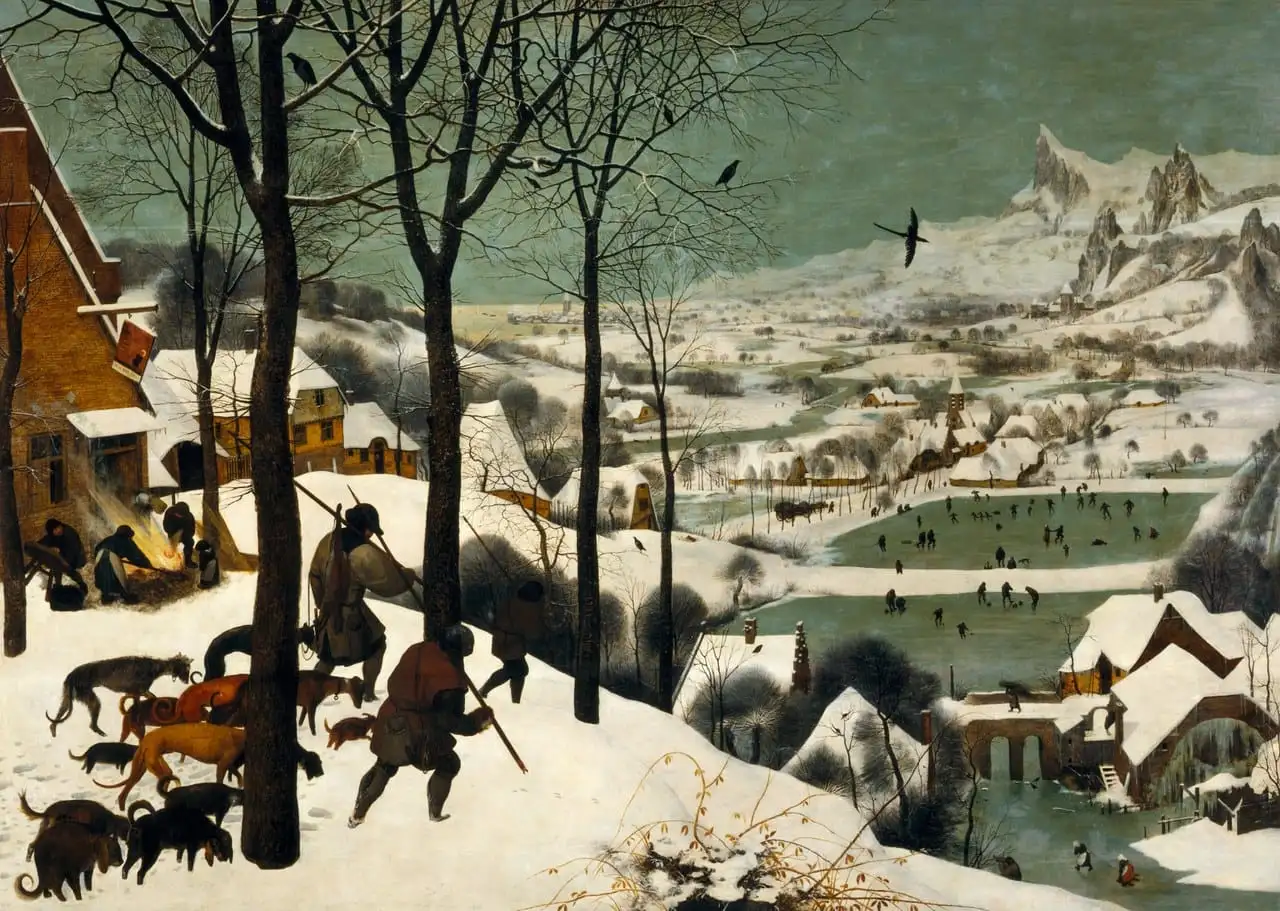
Pieter Bruegel the Elder · 1565
The Hunters in the Snow
Mini · Petite · Small · Medium
From $10.82 USD
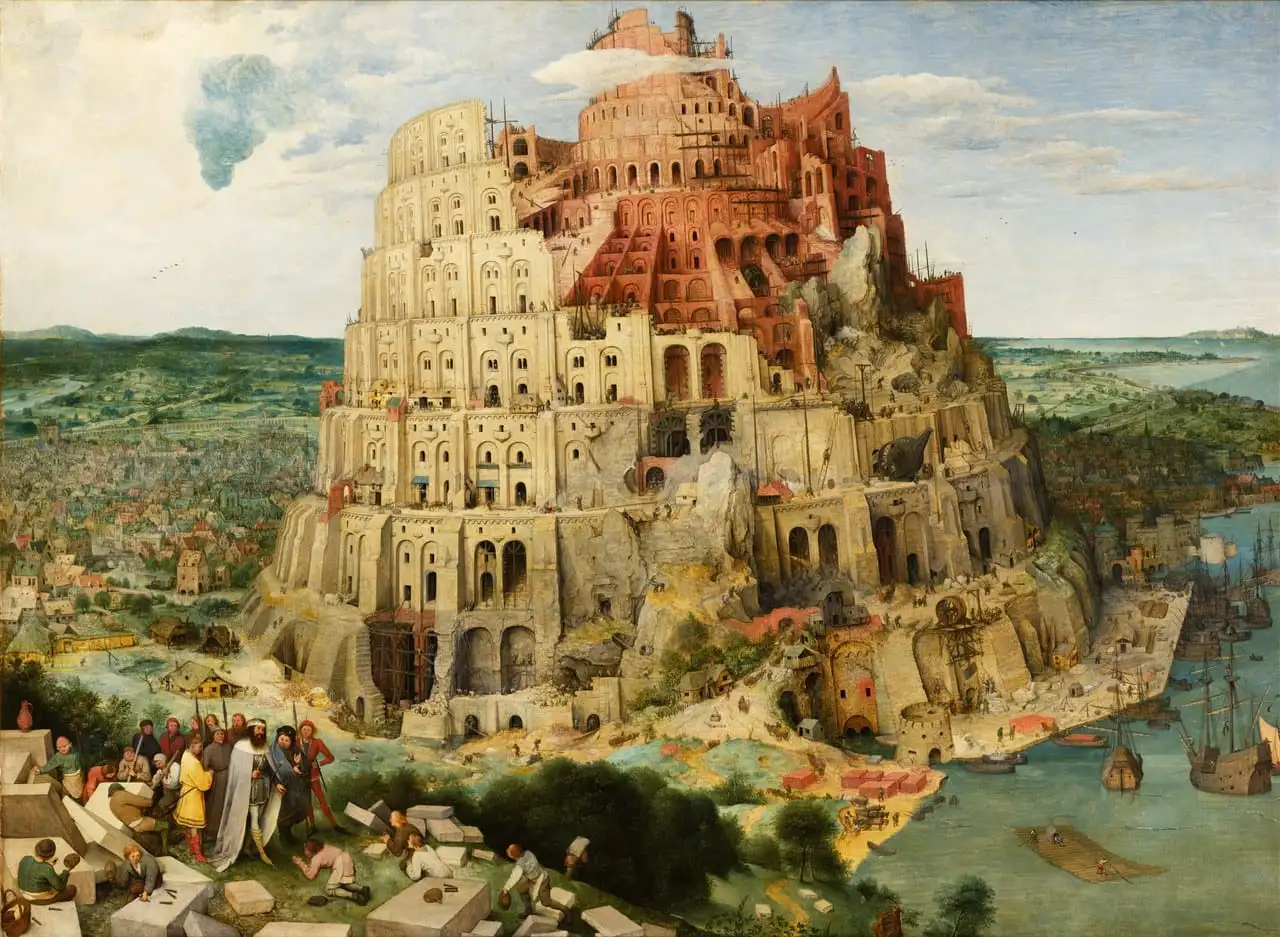
Pieter Bruegel the Elder · 1563
The Tower of Babel
Mini · Petite · Small · Medium · Large · Extra Large
From $10.82 USD
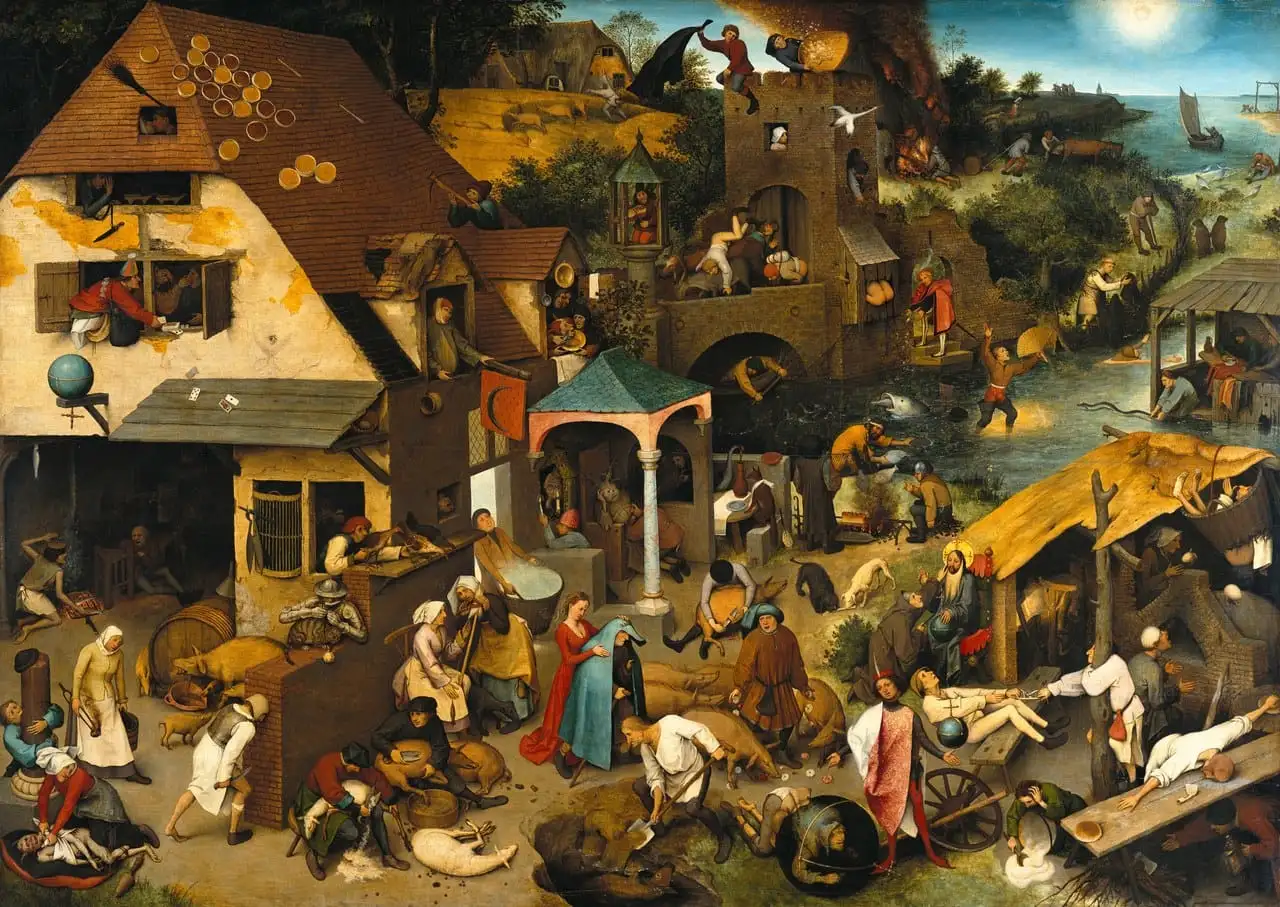
Pieter Bruegel the Elder · 1559
Netherlandish Proverbs
Mini · Petite · Small · Medium
From $10.82 USD