James Tissot · c.1874
The Ball on Shipboard
Posters from $10.82 USD · Canvas from $28.14 USD
Ships anywhere in the USA
Tissot's deck-of-the-Royal-Yacht-Squadron society party at Cowes — silk dresses, flags overhead, the gloss of late Victorian leisure. Tate Britain.
Up to 12.4 × 8 in · landscape
Size
Larger sizes are unavailable for this painting because the source scan's resolution wouldn't print at gallery quality.
Format & finish
Archival cotton canvas stretched over a wooden frame. Ready to hang as-is. No external frame.
Scale next to a 5'10" person
No sales tax added at checkout
Visa · Mastercard · Amex · Discover · Apple Pay · Google Pay
Materials & quality
›Canvas & inks
Giclée-printed on archival cotton canvas with fade-resistant pigment inks, hand-stretched over wooden bars. Gallery-wrapped — ready to hang with no extra frame needed.
›Floater frame
Hand-finished solid wood floater frame in five finishes. The canvas sits inside with a clean shadow gap — the way galleries hang contemporary canvas.
›Posters
Premium archival paper — 200 gsm soft matte or 230 gsm vibrant glossy. Ships flat or rolled, ready for your own frame.
›Faithful to the source
Printed from the highest-resolution museum and archive scans available. Each painting's maximum size is capped at what its source scan can support at gallery quality.
The story of The Ball on Shipboard
The Ball on Shipboard is an 1874 oil painting by the French artist James Tissot. It shows a scene on the deck of a ship, festooned with flags during regatta held off the Isle of Wight. A ball is in progress featuring members of high society. Although Tissot drew on the idea of fashionable gatherings on the royal yacht, the lady by the rail in the straw hat is not Alexandra, Princess of Wales as was once believed.
Adapted from Wikipedia, available under CC BY-SA 4.0.
James Tissot
Jacques Joseph Tissot, better known as James Tissot, was a French painter, illustrator, and caricaturist. He was born to a drapery merchant and a milliner and decided to pursue a career in art at a young age, coming to incorporate elements of realism, early Impressionism, and academic art into his work. He is best known for a variety of genre paintings of contemporary European high society produced during the peak of his career, which focused on the people and women's fashion of the Belle Époque and Victorian England, but he would also explore many medieval, biblical, and Japoniste subjects throughout his life. His career included work as a caricaturist for Vanity Fair under the pseudonym of Coïdé.
All James Tissot prints →Biography adapted from Wikipedia, available under CC BY-SA 4.0.
You may also like
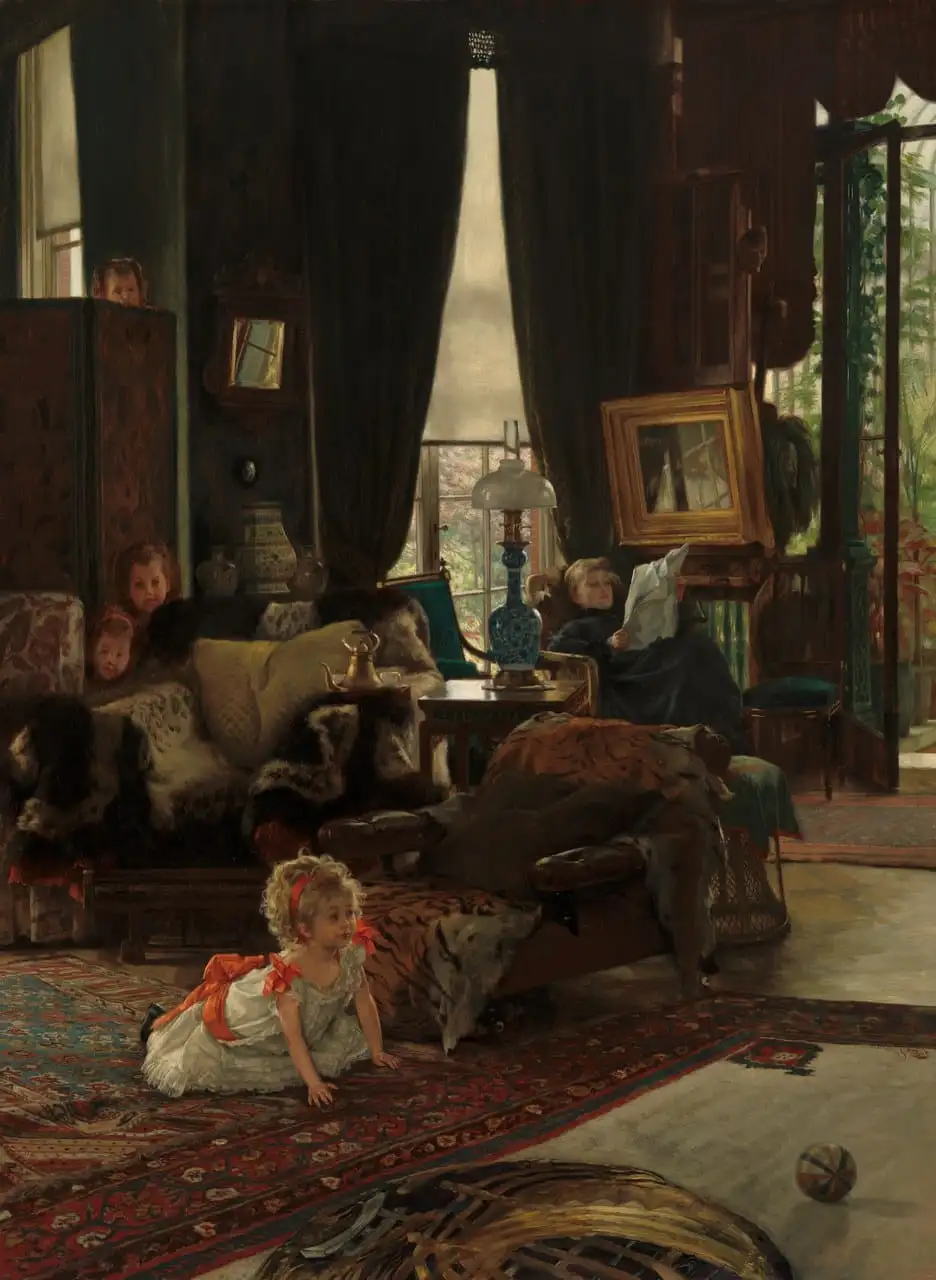
James Tissot · 1877
October
Mini · Petite · Small · Medium · Large · Extra Large
From $10.82 USD
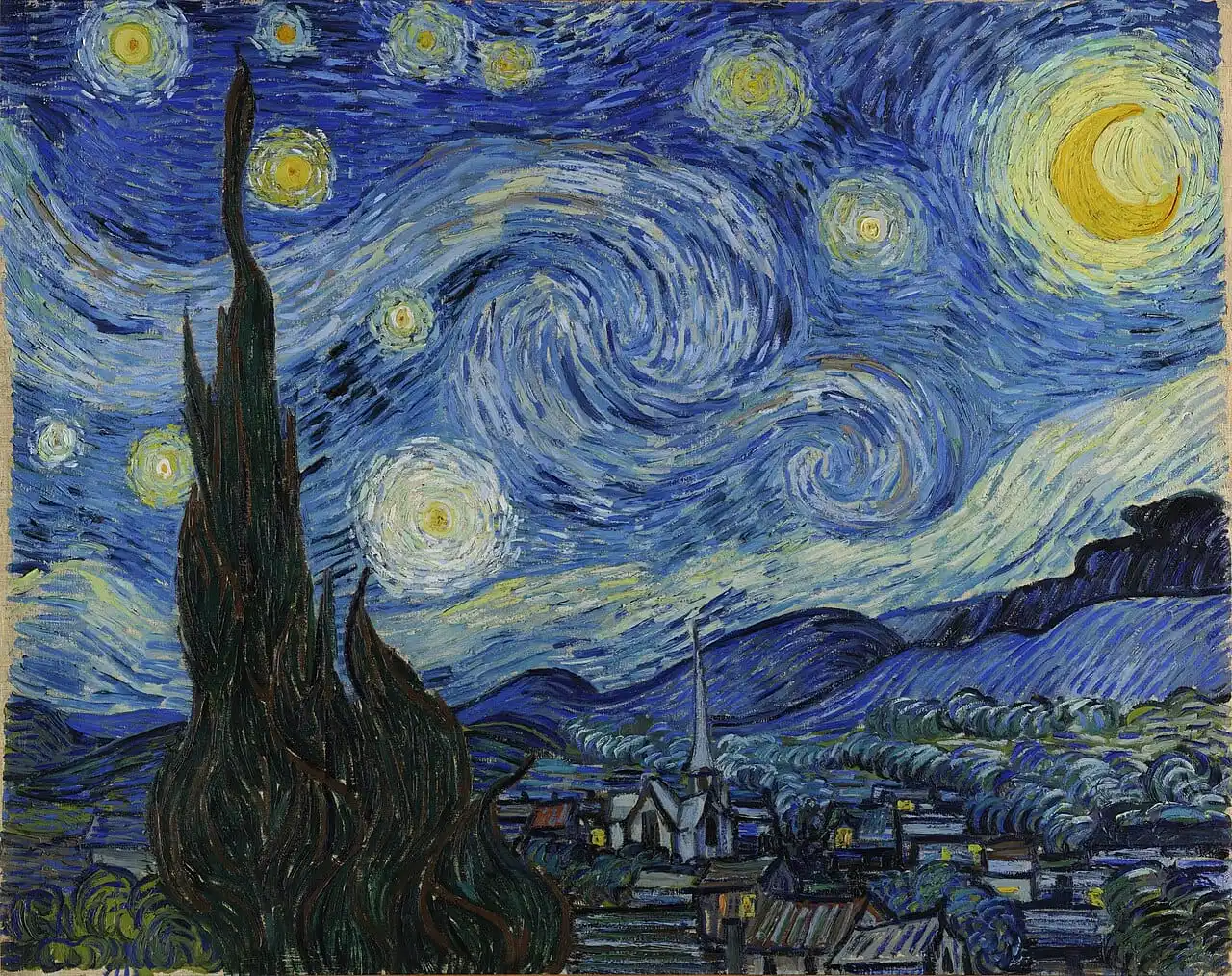
Vincent van Gogh · 1889
The Starry Night
Mini · Petite · Small · Medium · Large · Extra Large
From $10.82 USD
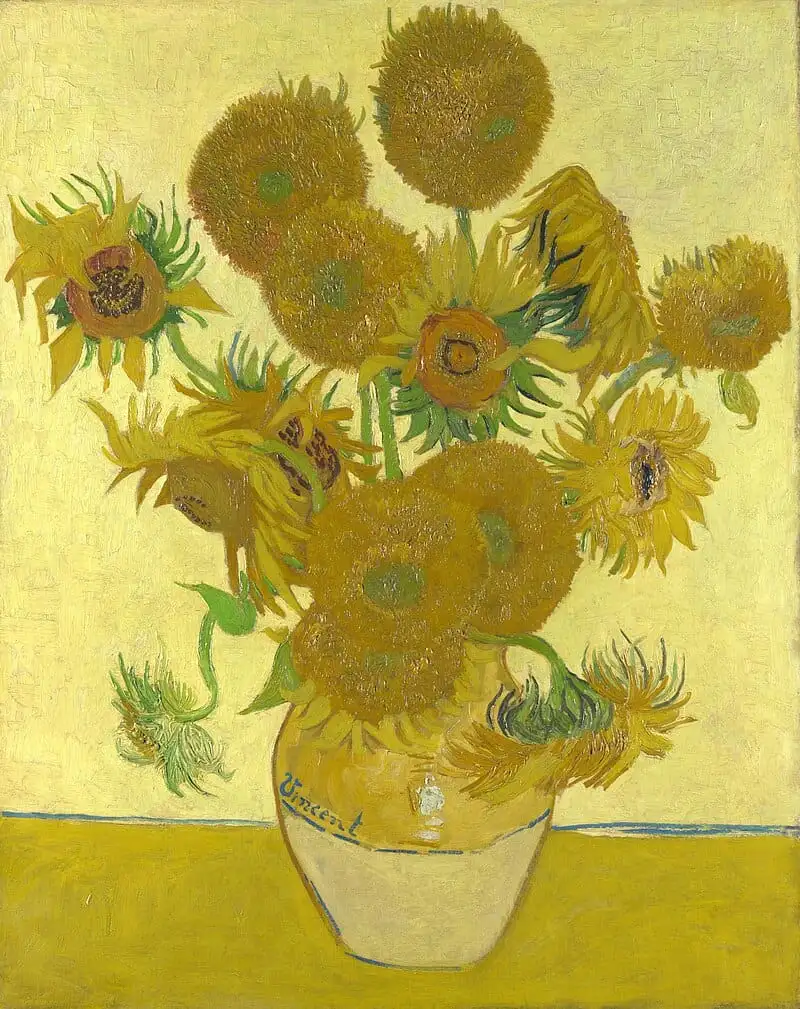
Vincent van Gogh · 1888
Sunflowers
Mini · Petite · Small
From $10.82 USD
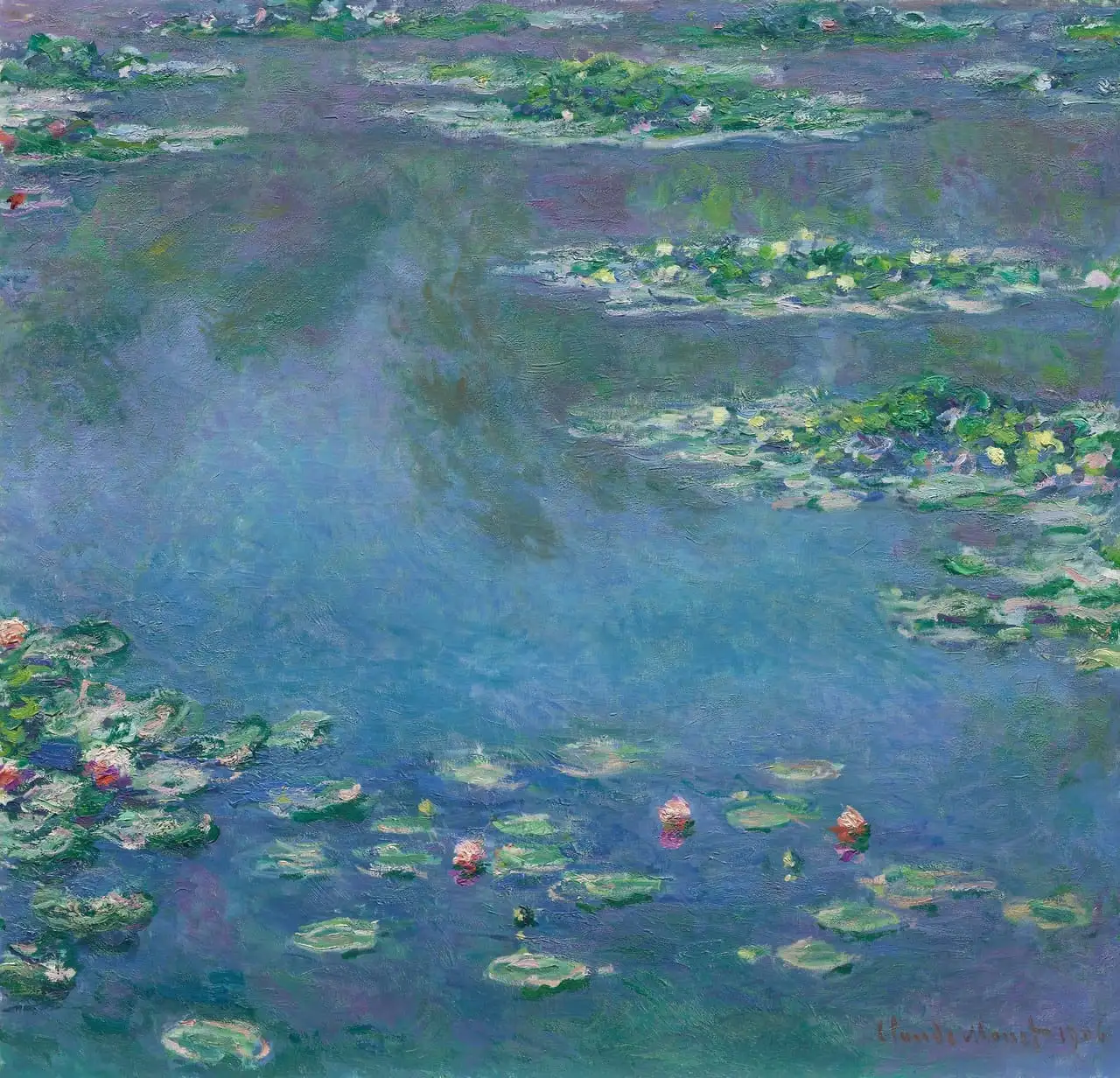
Claude Monet · 1906
Water Lilies
Mini · Petite
From $10.82 USD
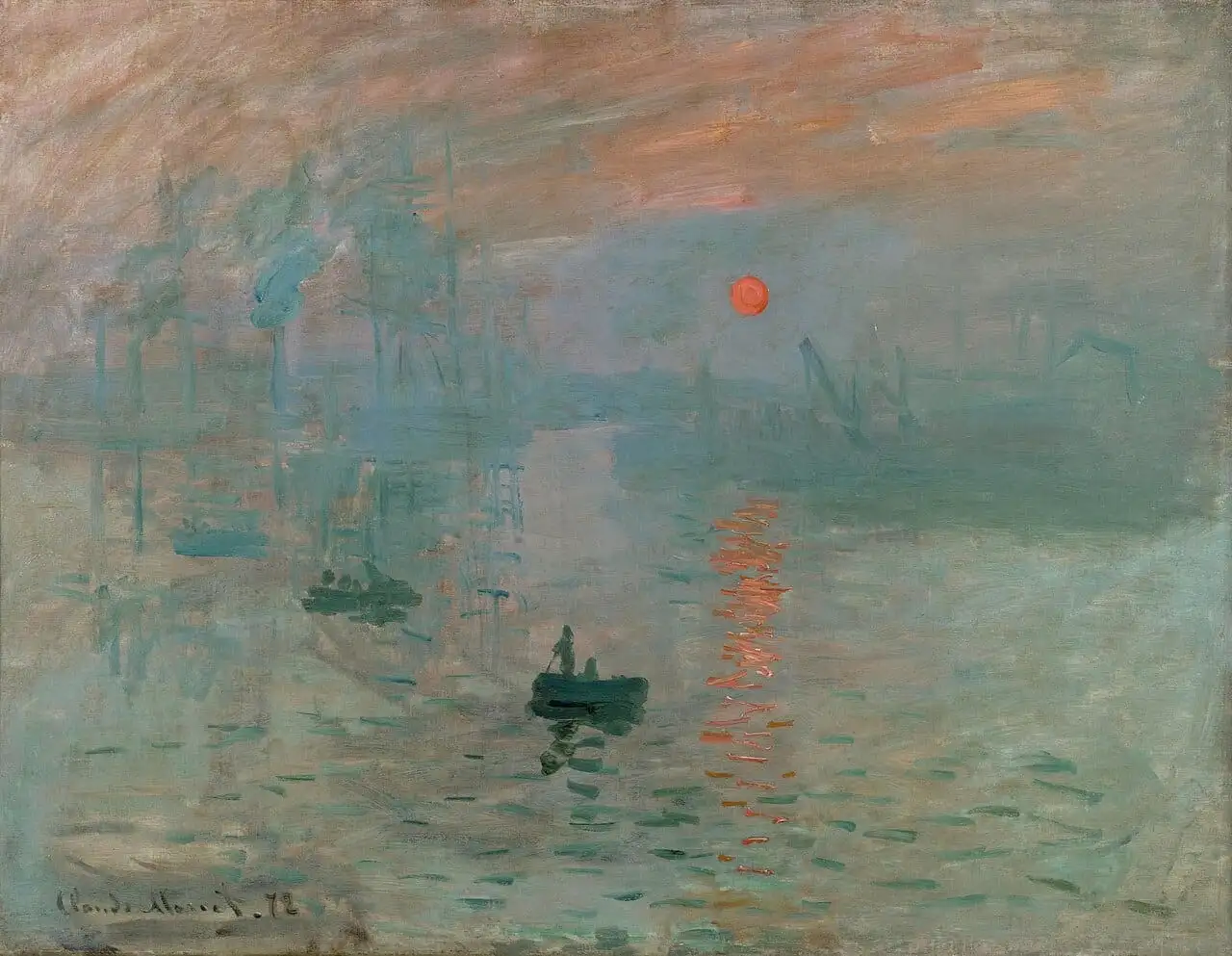
Claude Monet · 1872
Impression, Sunrise
Mini · Petite · Small · Medium
From $10.82 USD
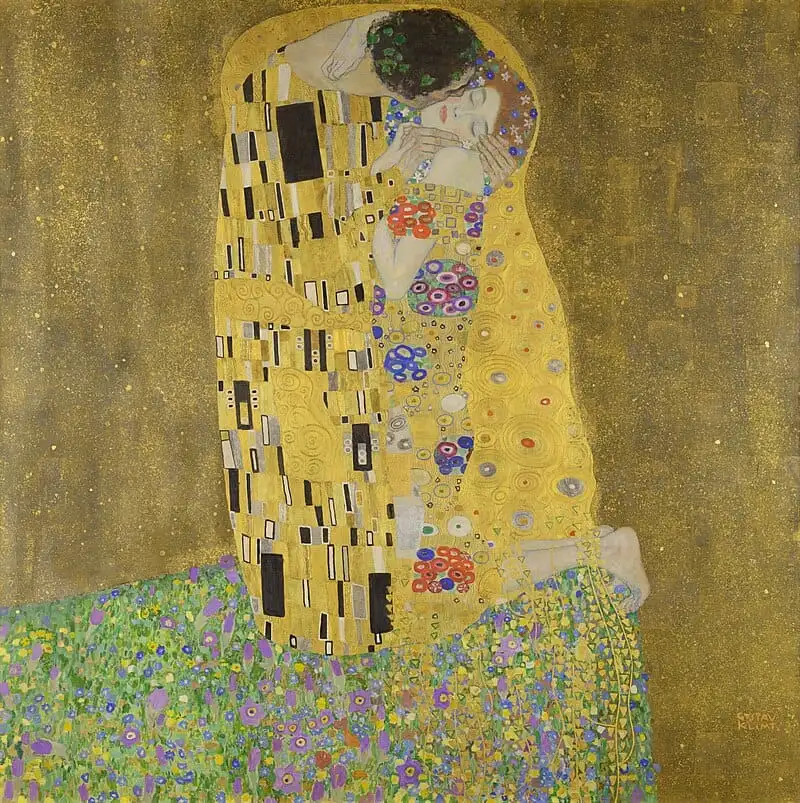
Gustav Klimt · 1908
The Kiss
Mini · Petite · Small · Medium · Large
From $10.82 USD