Edvard Munch · 1893
The Scream
Posters from $10.82 USD · Canvas from $28.14 USD
Ships anywhere in the USA
Munch's icon of modern anxiety — a figure clutching its head against a fiery sky. One of the most reproduced images in art history.
Up to 24 × 29.8 in · portrait
Size
Larger sizes are unavailable for this painting because the source scan's resolution wouldn't print at gallery quality.
Format & finish
Archival cotton canvas stretched over a wooden frame. Ready to hang as-is. No external frame.
Scale next to a 5'10" person
No sales tax added at checkout
Visa · Mastercard · Amex · Discover · Apple Pay · Google Pay
Materials & quality
›Canvas & inks
Giclée-printed on archival cotton canvas with fade-resistant pigment inks, hand-stretched over wooden bars. Gallery-wrapped — ready to hang with no extra frame needed.
›Floater frame
Hand-finished solid wood floater frame in five finishes. The canvas sits inside with a clean shadow gap — the way galleries hang contemporary canvas.
›Posters
Premium archival paper — 200 gsm soft matte or 230 gsm vibrant glossy. Ships flat or rolled, ready for your own frame.
›Faithful to the source
Printed from the highest-resolution museum and archive scans available. Each painting's maximum size is capped at what its source scan can support at gallery quality.
The story of The Scream
A figure on a bridge presses both hands to its face while the sky behind it turns to bands of orange and blood-red. Two people walk on without noticing. Munch made the first version in 1893, in tempera and crayon, and later wrote that he had felt a scream pass through nature on a walk above Oslo. That version is in the National Museum in Norway. It became one of the most reproduced images on earth because it is the rare painting that shows a feeling rather than a face, and everyone recognizes the feeling.
On a wall, The Scream is louder than its reputation suggests. The sky is pure saturated orange and yellow, the fjord is deep blue and near-black, and the bridge cuts through on a hard diagonal, so it carries a room from across it. It suits a home office, a music room, a teenager's bedroom, or a living room with dark or neutral walls that can absorb the color. It leans modern: mid-century, industrial, or anything with black metal and warm wood. It is a tall image. The Large at 24 × 29.8 in is the size that makes it feel like the real thing, and the Medium at 16 × 19.9 in works well as the anchor of a gallery wall.
Munch painted the same nerves over and over. Anxiety is the same bridge with a crowd of pale faces, Madonna has the same swirling line in a very different mood, and The Dance of Life is the calmer summer evening on the other side of it. More from Edvard Munch.
Printed in our studio from a public-domain photograph of the 1893 National Museum version, with the cardboard texture and crayon marks left visible.
Edvard Munch
Edvard Munch was a Norwegian painter. His 1893 work The Scream has become one of the most iconic and acclaimed images in all of Western art.
All Edvard Munch prints →Biography adapted from Wikipedia, available under CC BY-SA 4.0.
The Scream— questions & answers
›What does The Scream represent?
›When did Munch paint The Scream?
›Where is the original Scream painting?
You may also like
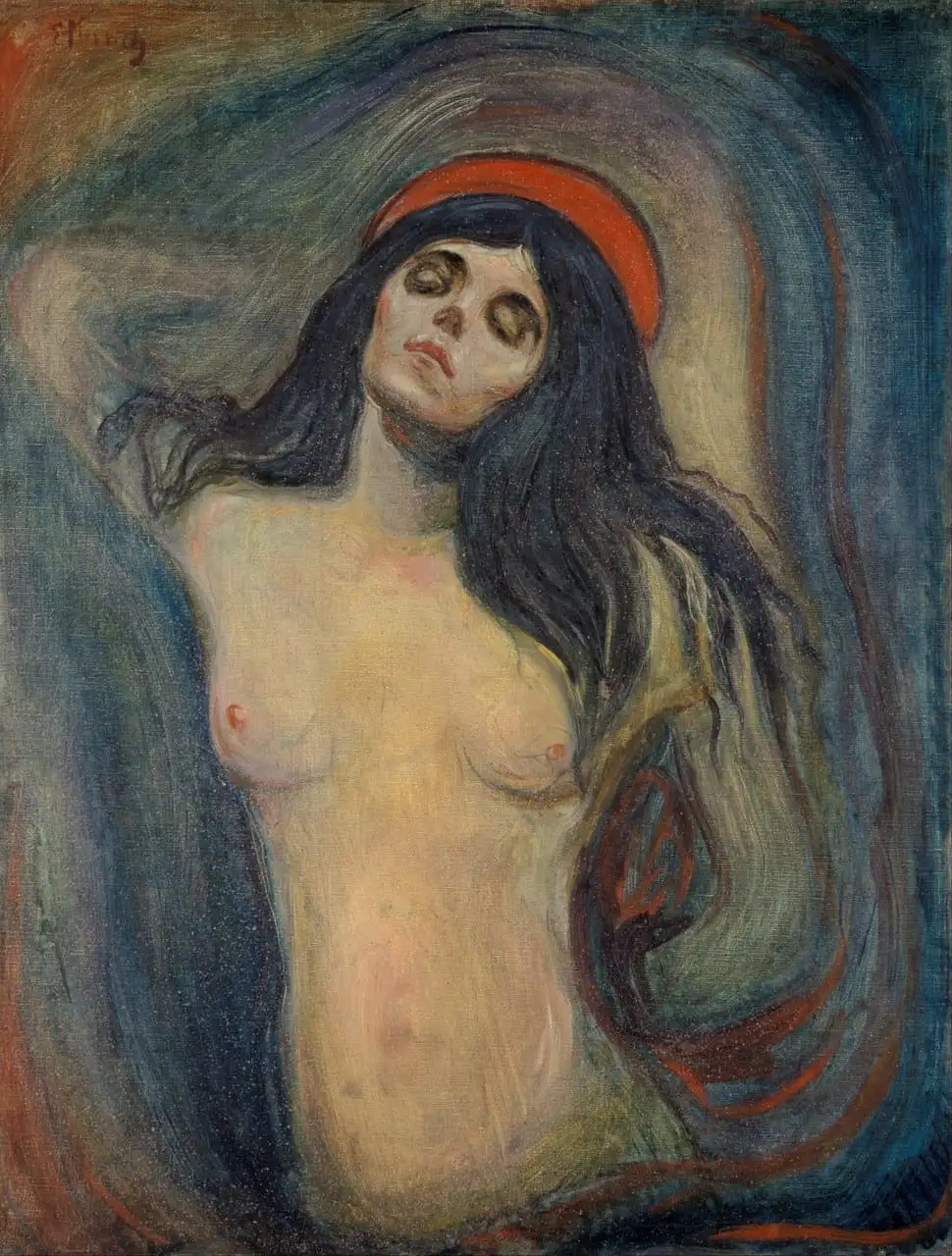
Edvard Munch · 1894–95
Madonna
Mini · Petite · Small
From $10.82 USD
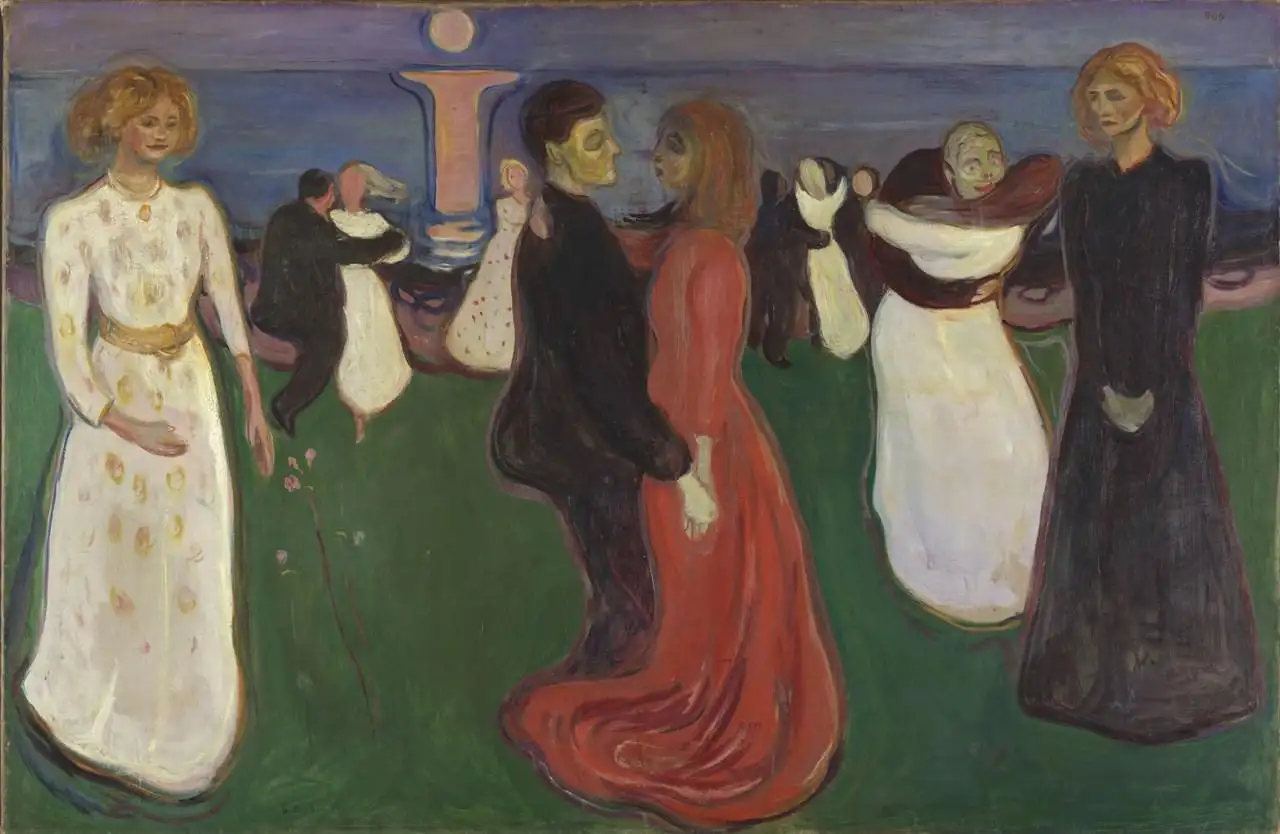
Edvard Munch · 1899–1900
The Dance of Life
Mini · Petite · Small · Medium · Large · Extra Large
From $10.82 USD
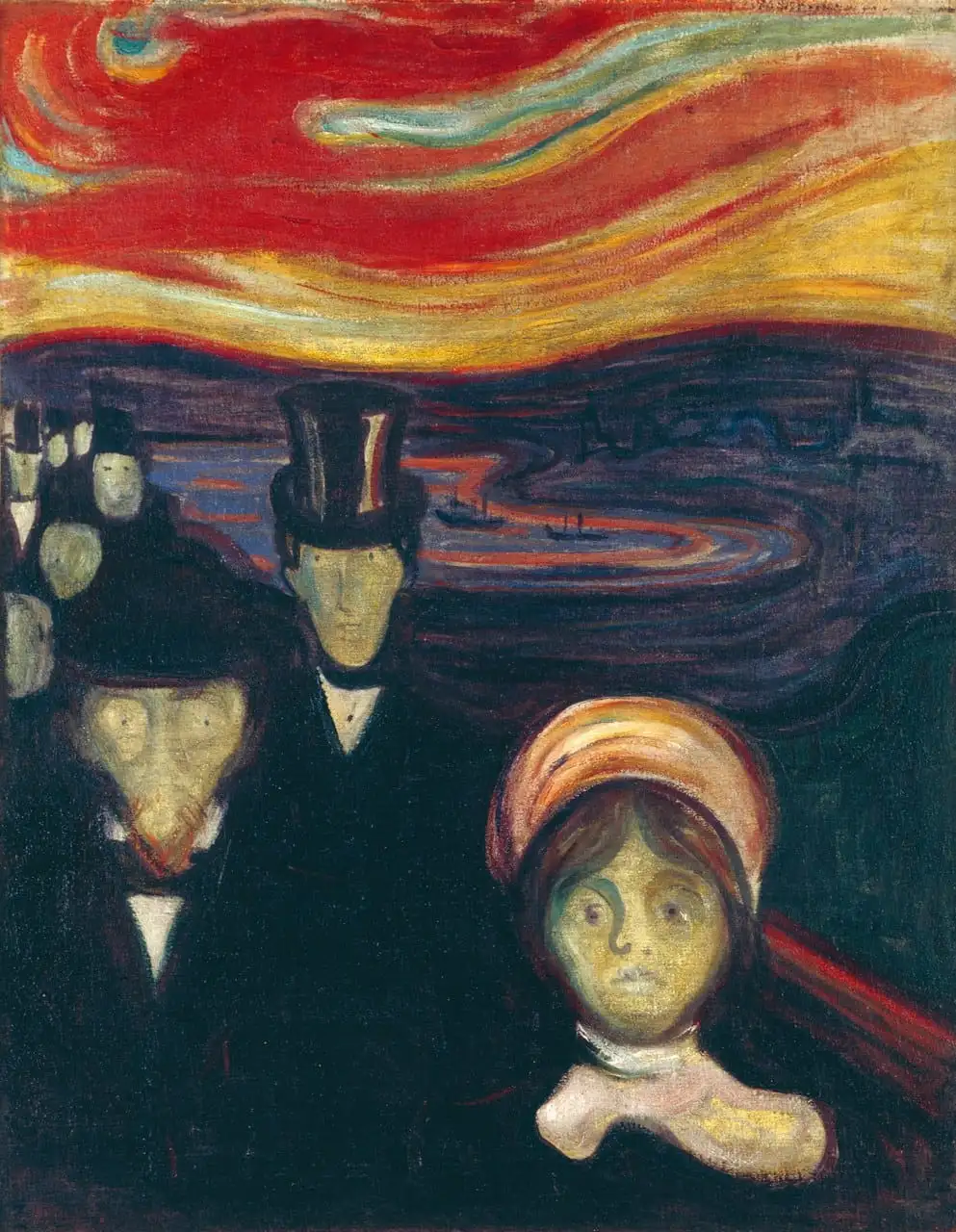
Edvard Munch · 1894
Anxiety
Mini · Petite · Small · Medium
From $10.82 USD
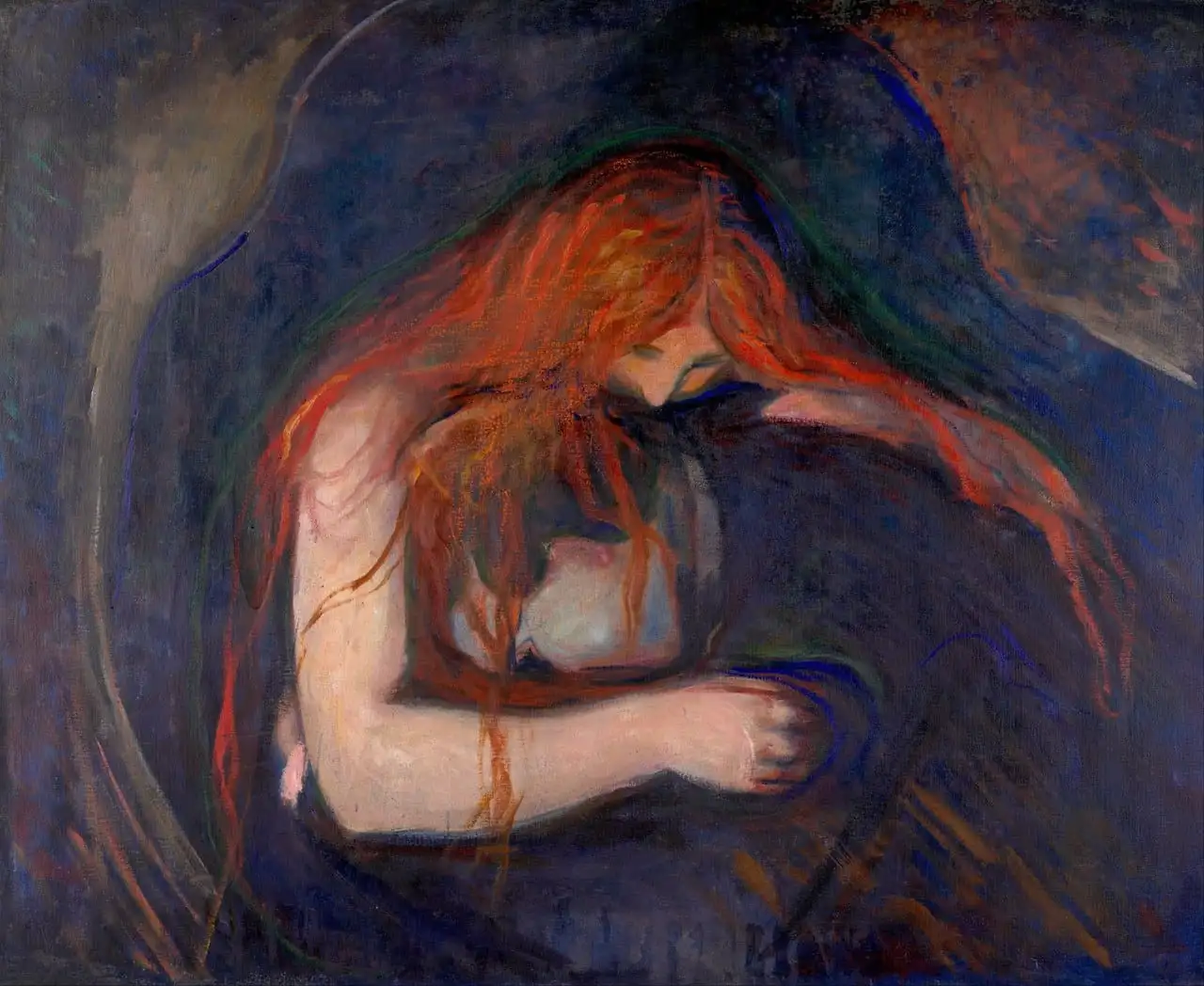
Edvard Munch · 1895
Vampire
Mini · Petite · Small · Medium
From $10.82 USD
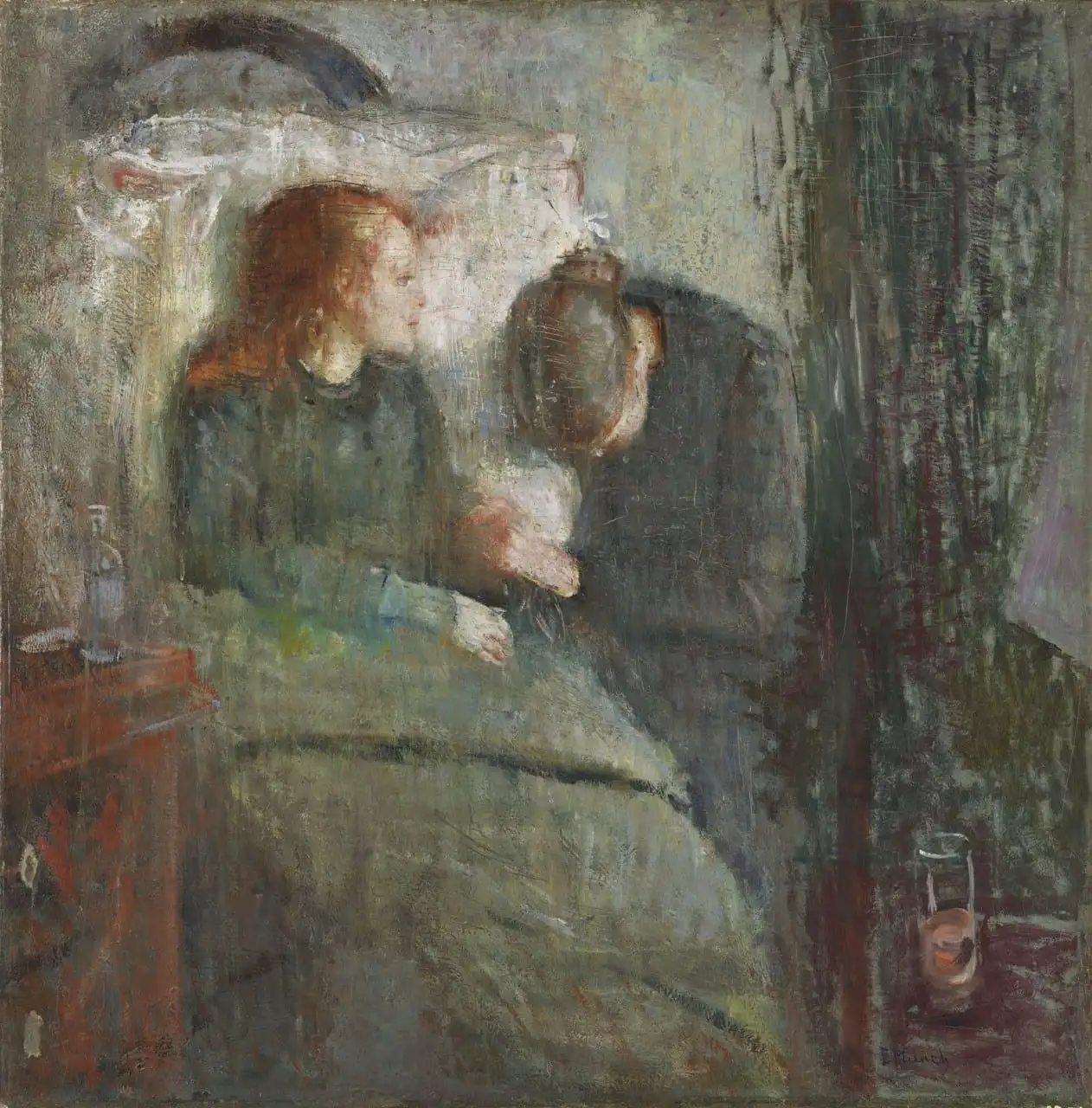
Edvard Munch · 1885–86
The Sick Child
Mini · Petite · Small · Medium · Large
From $10.82 USD
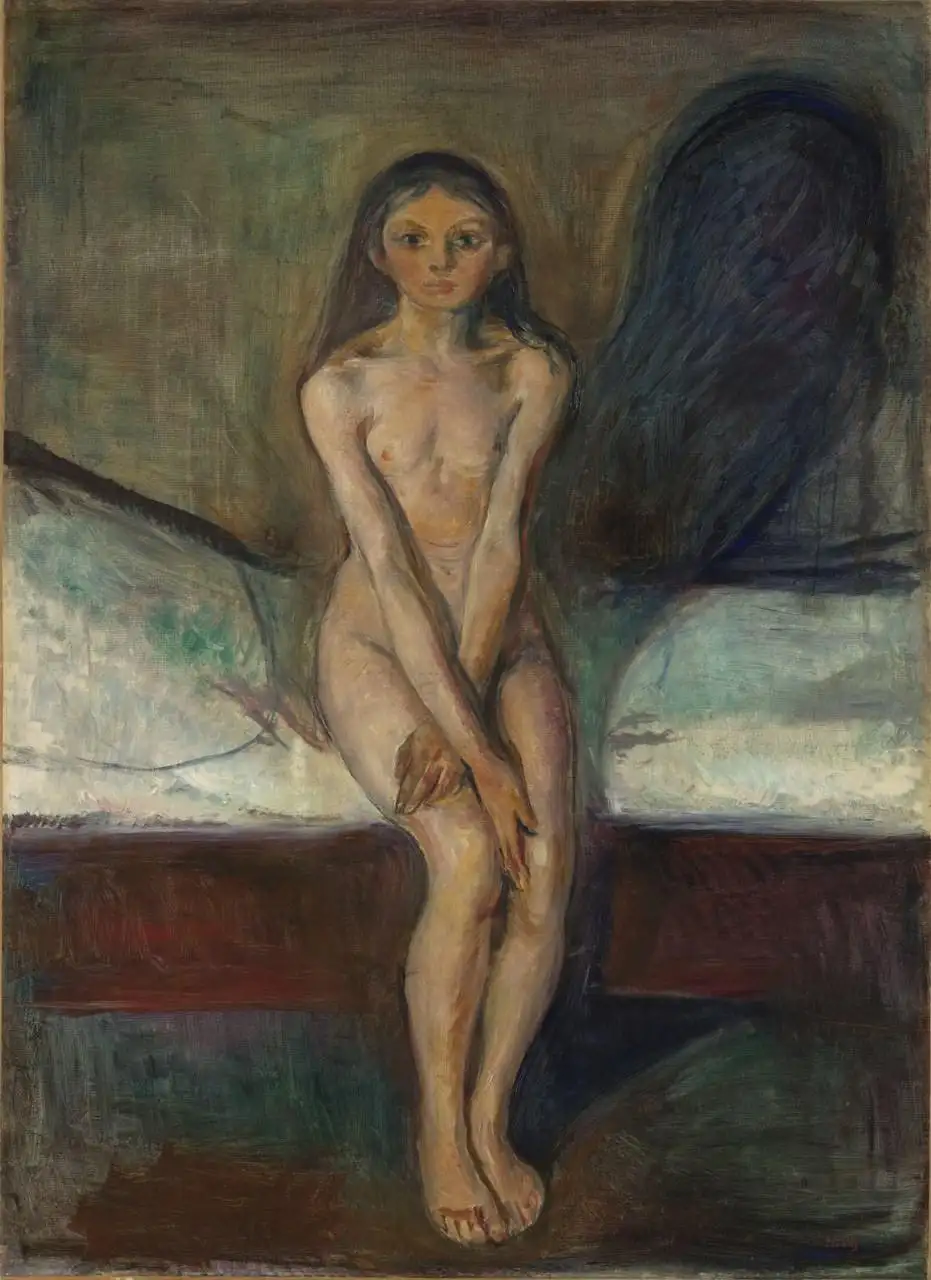
Edvard Munch · 1894–95
Puberty
Mini · Petite · Small · Medium · Large
From $10.82 USD