Jean-Auguste-Dominique Ingres · 1862
The Turkish Bath
Posters from $10.82 USD · Canvas from $28.14 USD
Ships anywhere in the USA
Ingres's final canvas at eighty-two — a circular composition of bathing women in a steamy harem, made from sketches he'd kept for fifty years. Louvre.
Up to 36 × 36 in · square
Size
Format & finish
Archival cotton canvas stretched over a wooden frame. Ready to hang as-is. No external frame.
Scale next to a 5'10" person
No sales tax added at checkout
Visa · Mastercard · Amex · Discover · Apple Pay · Google Pay
Materials & quality
›Canvas & inks
Giclée-printed on archival cotton canvas with fade-resistant pigment inks, hand-stretched over wooden bars. Gallery-wrapped — ready to hang with no extra frame needed.
›Floater frame
Hand-finished solid wood floater frame in five finishes. The canvas sits inside with a clean shadow gap — the way galleries hang contemporary canvas.
›Posters
Premium archival paper — 200 gsm soft matte or 230 gsm vibrant glossy. Ships flat or rolled, ready for your own frame.
›Faithful to the source
Printed from the highest-resolution museum and archive scans available. Each painting's maximum size is capped at what its source scan can support at gallery quality.
The story of The Turkish Bath
The Turkish Bath is an oil painting by Jean-Auguste-Dominique Ingres, initially completed between 1852 and 1859, but modified in 1862. The painting depicts a group of nude women at a pool in a harem. It has an erotic style that evokes both the Near East and earlier western styles associated with mythological subject matter. The painting expands on a number of motifs that Ingres had explored in earlier paintings, in particular The Valpinçon Bather (1808) and La Grande odalisque (1814) and is an example of Romanticism.
Adapted from Wikipedia, available under CC BY-SA 4.0.
Jean-Auguste-Dominique Ingres
Jean-Auguste-Dominique Ingres was a French Neoclassical painter. Ingres was profoundly influenced by past artistic traditions and aspired to become the guardian of academic orthodoxy against the ascendant Romantic style. Although he considered himself a painter of history in the tradition of Nicolas Poussin and Jacques-Louis David, it is his portraits, both painted and drawn, that are recognized as his greatest legacy. His expressive distortions of form and space made him an important precursor of modern art, influencing Henri Matisse, Pablo Picasso, and other modernists.
All Jean-Auguste-Dominique Ingres prints →Biography adapted from Wikipedia, available under CC BY-SA 4.0.
You may also like
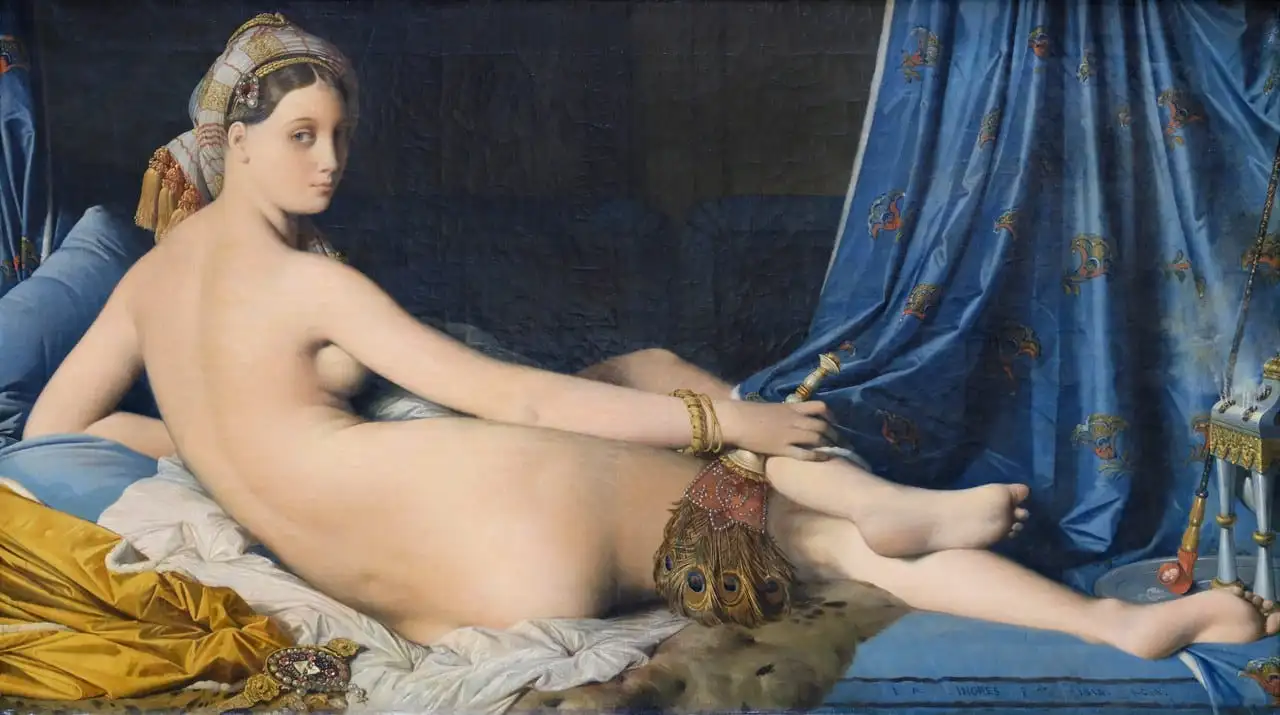
Jean-Auguste-Dominique Ingres · 1814
La Grande Odalisque
Mini · Petite · Small · Medium · Large
From $10.82 USD
Jean-Auguste-Dominique Ingres · 1856
Madame Moitessier
Mini · Petite · Small · Medium
From $10.82 USD
Jacques-Louis David · 1793
The Death of Marat
Mini · Petite · Small · Medium
From $10.82 USD
Jacques-Louis David · 1801
Napoleon Crossing the Alps
Mini · Petite · Small
From $10.82 USD
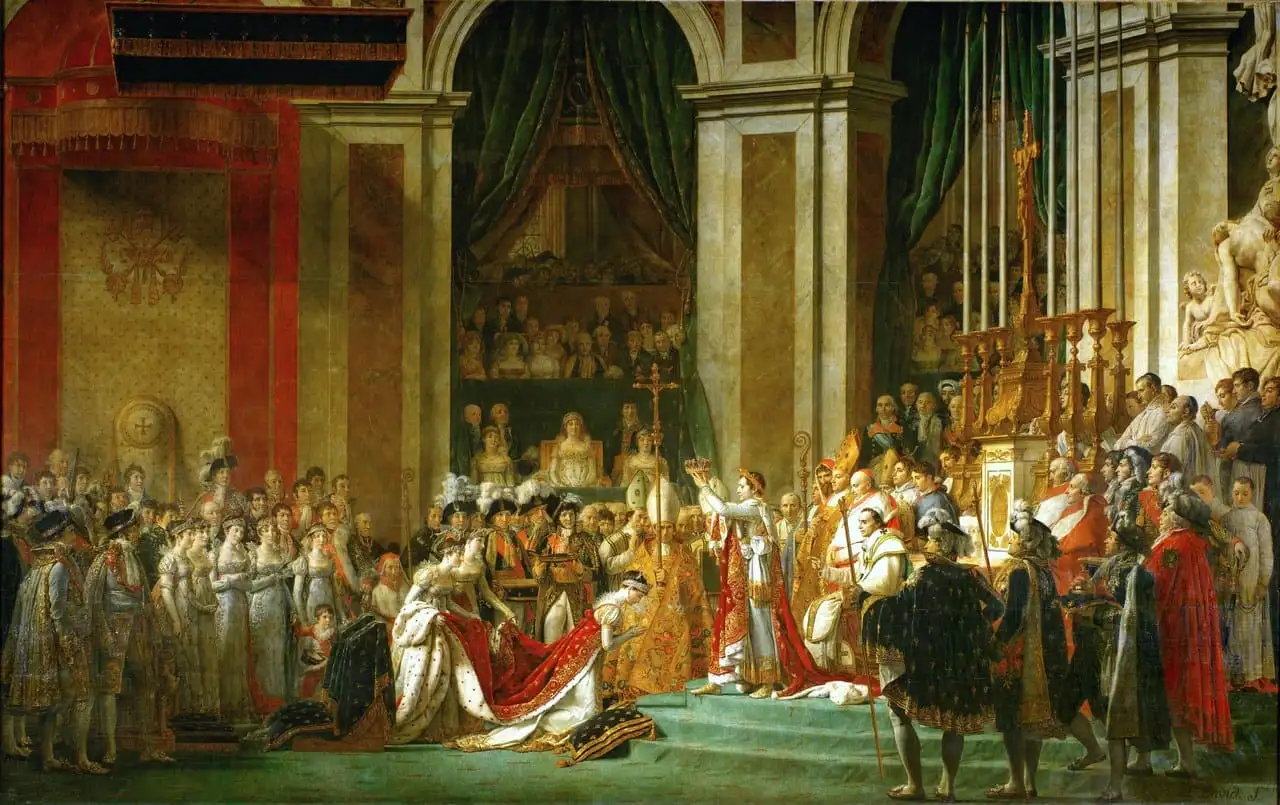
Jacques-Louis David · 1805–07
The Coronation of Napoleon
Mini · Petite · Small · Medium
From $10.82 USD
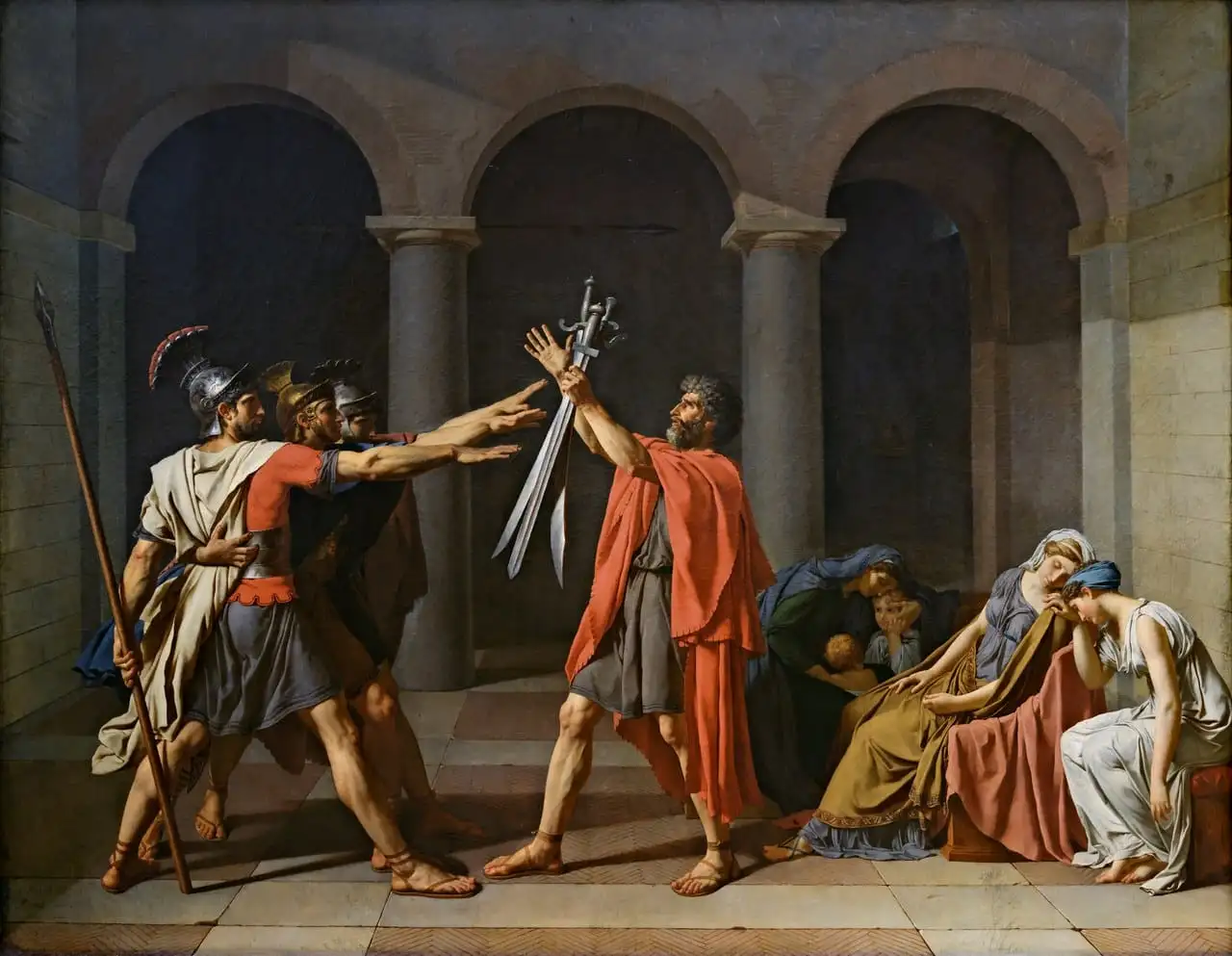
Jacques-Louis David · 1784
Oath of the Horatii
Mini · Petite · Small · Medium · Large · Extra Large
From $10.82 USD