Edward Hopper · 1942
Nighthawks
Posters from $10.82 USD · Canvas from $28.14 USD
Ships anywhere in the USA
Hopper's most famous painting — four solitary figures inside a fluorescent-lit diner on a deserted Manhattan street corner at 3 a.m. The most-quoted image of urban American loneliness. Art Institute of Chicago.
Up to 65.9 × 36 in · landscape
Size
Format & finish
Archival cotton canvas stretched over a wooden frame. Ready to hang as-is. No external frame.
Scale next to a 5'10" person
No sales tax added at checkout
Visa · Mastercard · Amex · Discover · Apple Pay · Google Pay
Materials & quality
›Canvas & inks
Giclée-printed on archival cotton canvas with fade-resistant pigment inks, hand-stretched over wooden bars. Gallery-wrapped — ready to hang with no extra frame needed.
›Floater frame
Hand-finished solid wood floater frame in five finishes. The canvas sits inside with a clean shadow gap — the way galleries hang contemporary canvas.
›Posters
Premium archival paper — 200 gsm soft matte or 230 gsm vibrant glossy. Ships flat or rolled, ready for your own frame.
›Faithful to the source
Printed from the highest-resolution museum and archive scans available. Each painting's maximum size is capped at what its source scan can support at gallery quality.
The story of Nighthawks
Late at night on an empty corner, a diner glows like an aquarium. Inside are a couple who are not quite together, a man with his back to you, and a counterman in white bending to his work. There is no door. Hopper painted it in 1942, a few weeks after Pearl Harbor, working from a corner in Greenwich Village that he never named, and the Art Institute of Chicago bought it within months. It is the most quoted painting in American culture because it shows something everyone has felt: being awake and alone in a place built for company.
This is a painting for a dark room. The dominant colors are the acid green and yellow of the fluorescent light, the deep teal-black of the street, and a few notes of red in the woman's dress and the brick. It suits a home bar, a den, a media room, a kitchen with dark cabinets, or an office, and it fits mid-century, industrial, and city-loft interiors. The composition is wide and low, like a movie frame, so it wants a long wall. The Large at 43.9 × 24 in is the size that makes the window feel real, and the Extra Large at 65.9 × 36 in will turn it into the whole room. The Medium at 29.3 × 16 in fits above a counter or a desk.
Hopper's Automat is the same loneliness from the woman's side of the glass, Early Sunday Morning is the same street at dawn, and Gas is the same light on a country road. More from Edward Hopper.
We print from the Art Institute of Chicago's open-access photograph of the canvas, in our own studio, holding the greens and the darks where Hopper set them.
Edward Hopper
Edward Hopper was an American realist painter and printmaker. He is one of America's most renowned artists and known for his skill in depicting modern American life and landscapes.
All Edward Hopper prints →Biography adapted from Wikipedia, available under CC BY-SA 4.0.
Nighthawks— questions & answers
›What does Hopper's Nighthawks depict?
›Can I buy a Nighthawks canvas print in the US?
›Where is the original Nighthawks?
You may also like
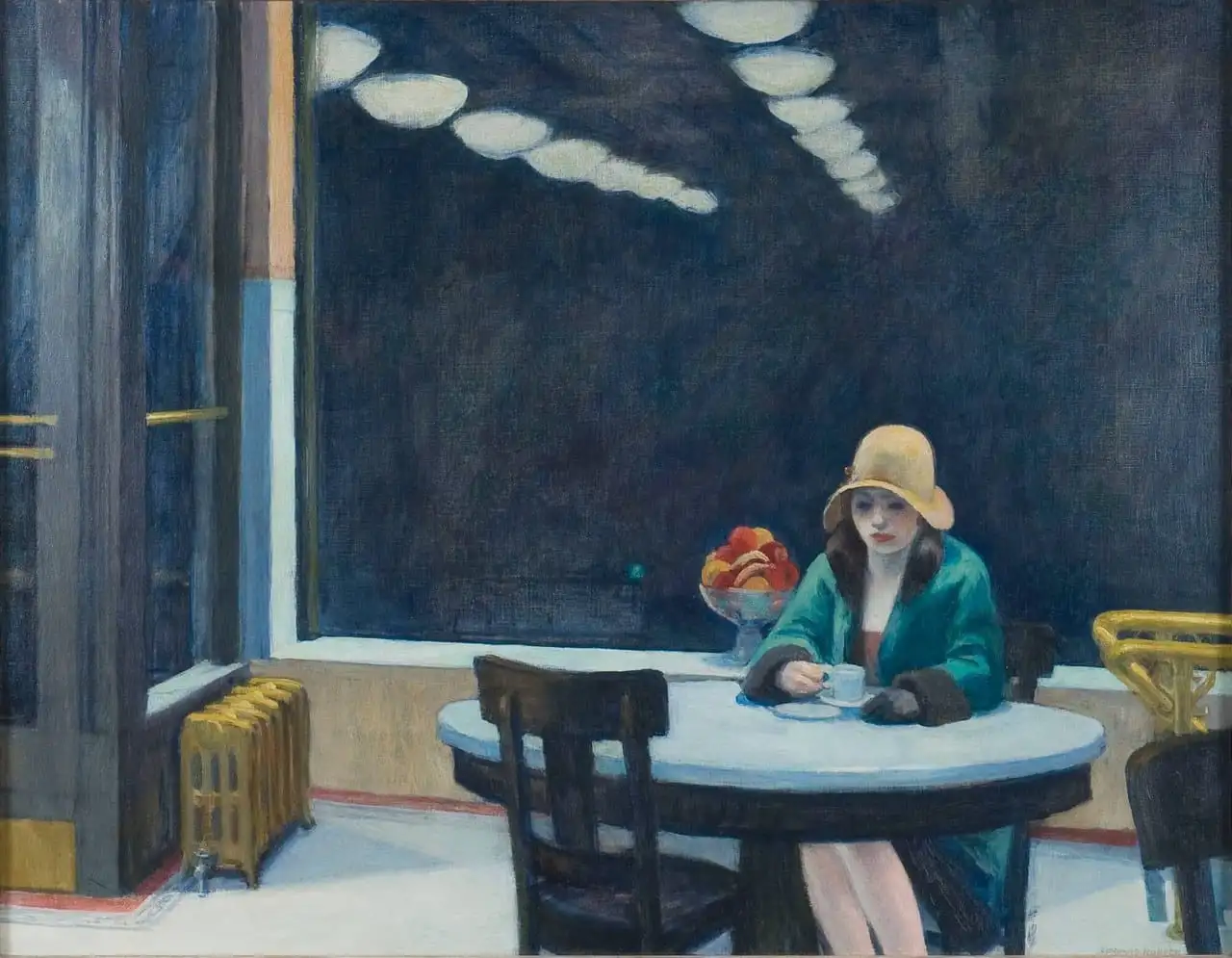
Edward Hopper · 1927
Automat
Mini
From $10.82 USD
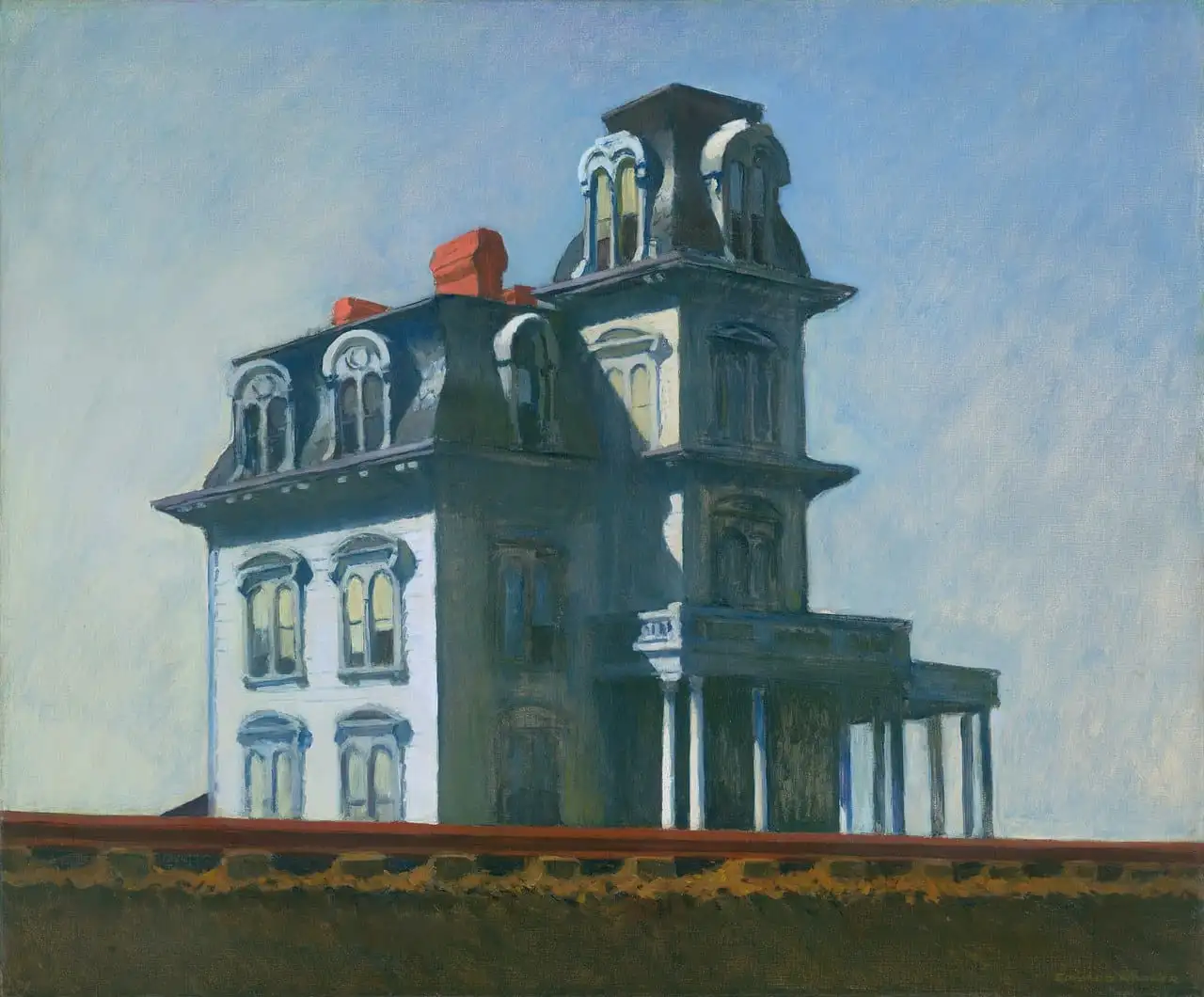
Edward Hopper · 1925
House by the Railroad
Mini · Petite · Small
From $10.82 USD
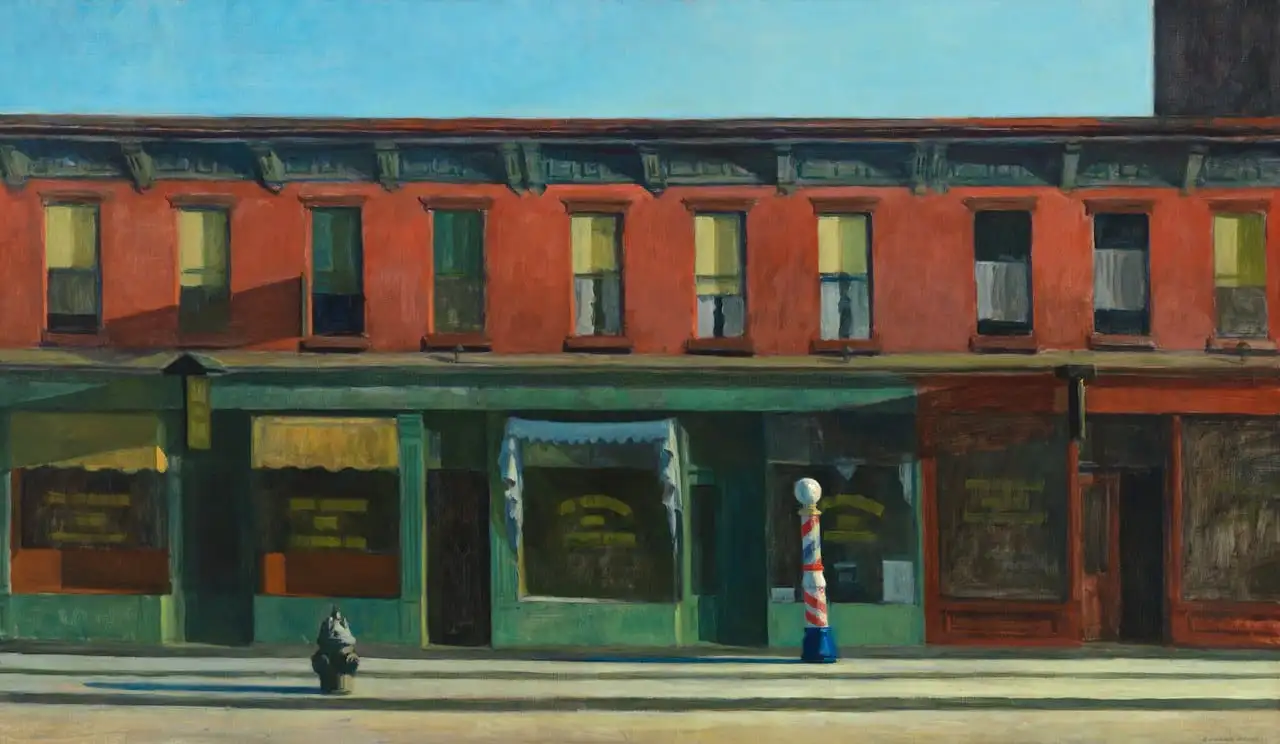
Edward Hopper · 1930
Early Sunday Morning
Mini
From $10.82 USD
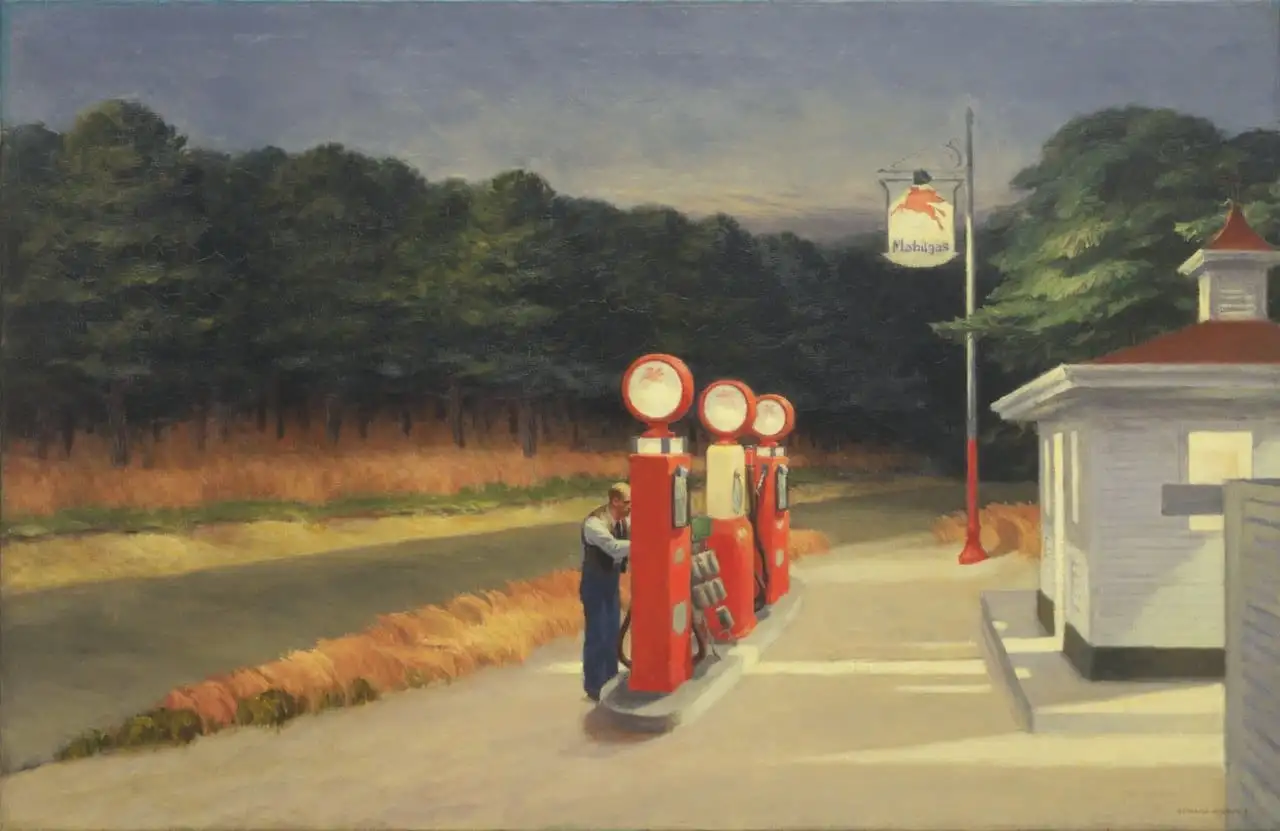
Edward Hopper · 1940
Gas
Mini · Petite · Small
From $10.82 USD
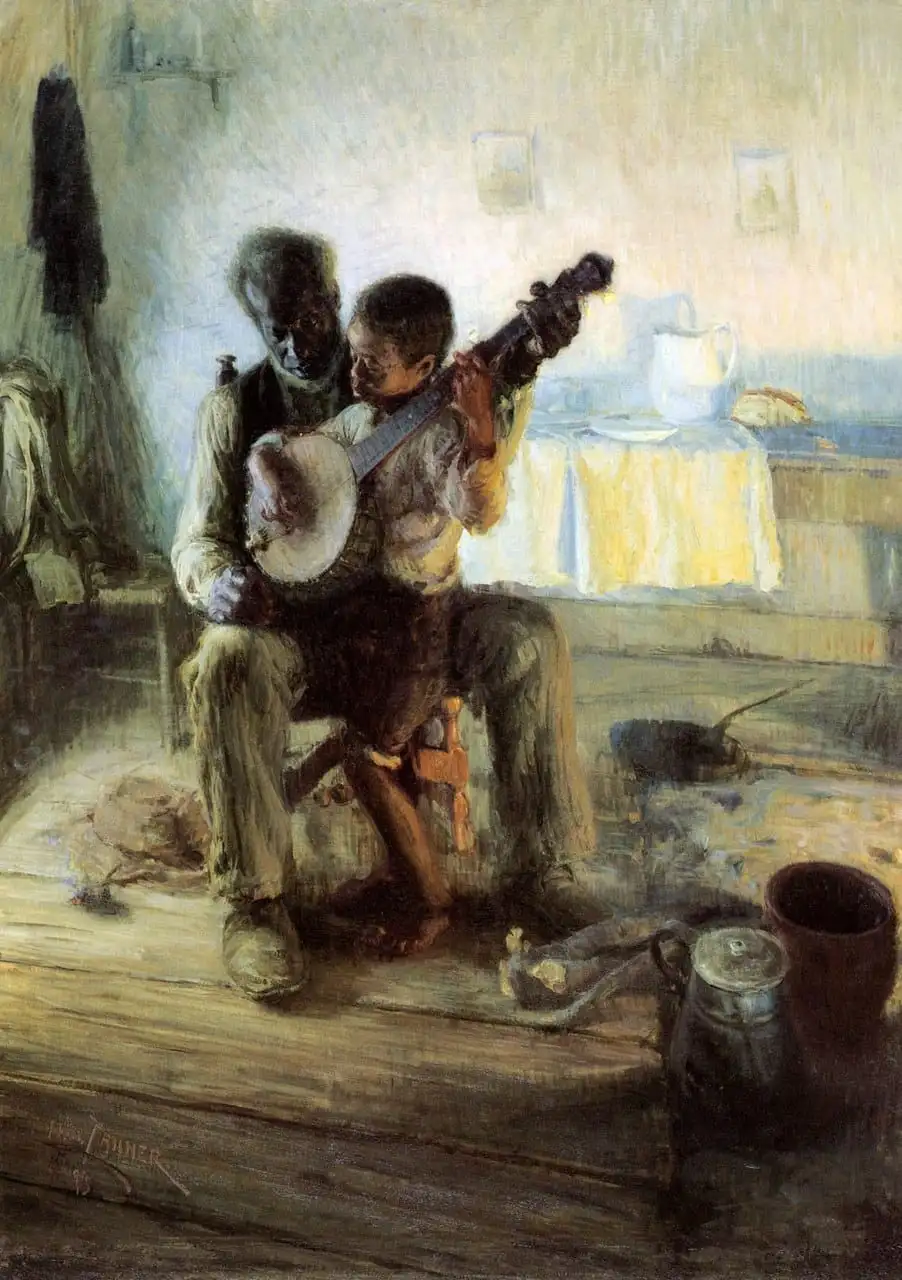
Henry Ossawa Tanner · 1893
The Banjo Lesson
Mini · Petite
From $10.82 USD
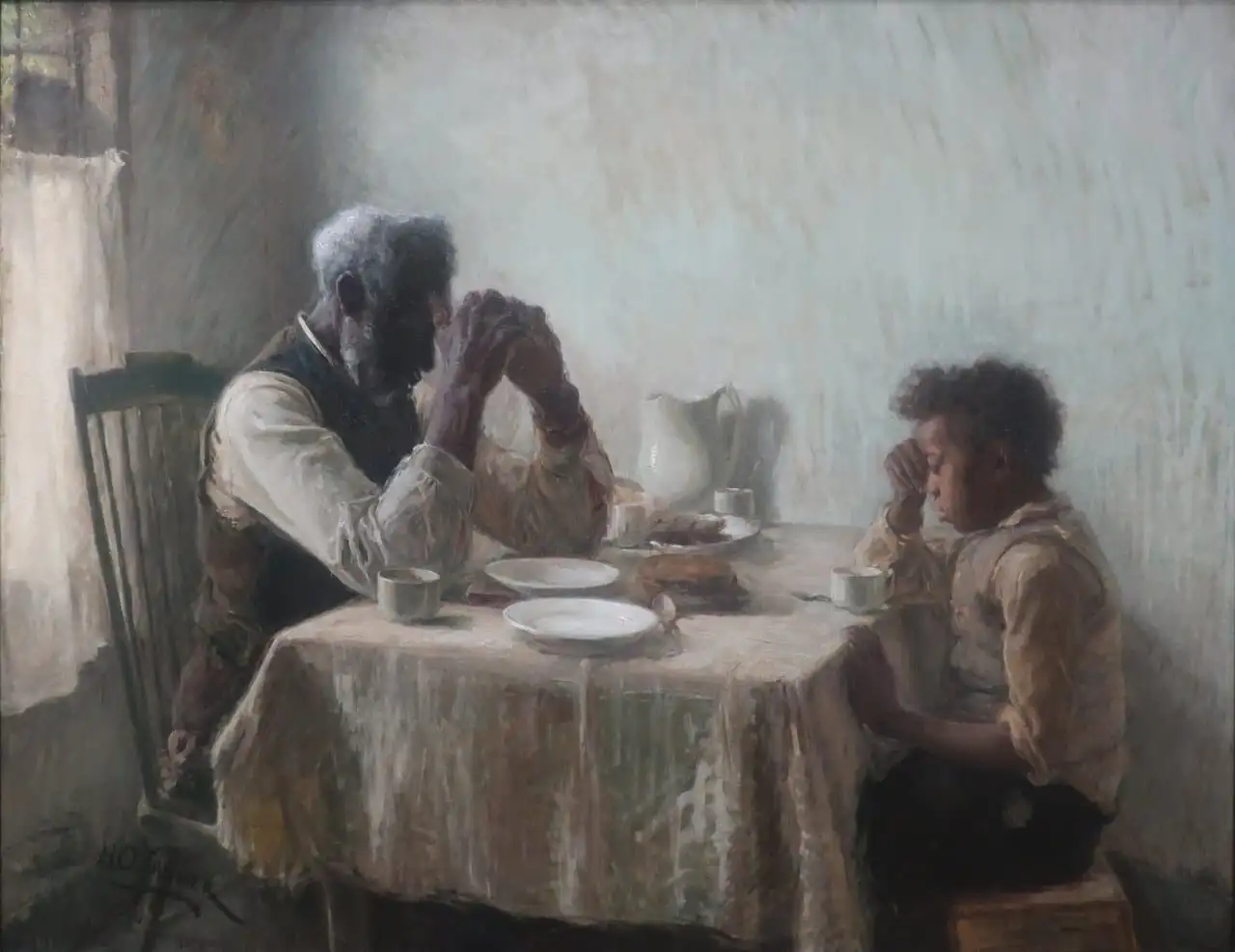
Henry Ossawa Tanner · 1894
The Thankful Poor
Mini
From $10.82 USD