Paul Gauguin · 1897–98
Where Do We Come From? What Are We? Where Are We Going?
Posters from $10.82 USD · Canvas from $28.14 USD
Ships anywhere in the USA
Gauguin's largest, most ambitious Tahitian allegory — read right to left, birth to death, painted on the brink of his suicide attempt. MFA Boston.
Up to 28.9 × 11 in · landscape
Size
Larger sizes are unavailable for this painting because the source scan's resolution wouldn't print at gallery quality.
Format & finish
Archival cotton canvas stretched over a wooden frame. Ready to hang as-is. No external frame.
Scale next to a 5'10" person
No sales tax added at checkout
Visa · Mastercard · Amex · Discover · Apple Pay · Google Pay
Materials & quality
›Canvas & inks
Giclée-printed on archival cotton canvas with fade-resistant pigment inks, hand-stretched over wooden bars. Gallery-wrapped — ready to hang with no extra frame needed.
›Floater frame
Hand-finished solid wood floater frame in five finishes. The canvas sits inside with a clean shadow gap — the way galleries hang contemporary canvas.
›Posters
Premium archival paper — 200 gsm soft matte or 230 gsm vibrant glossy. Ships flat or rolled, ready for your own frame.
›Faithful to the source
Printed from the highest-resolution museum and archive scans available. Each painting's maximum size is capped at what its source scan can support at gallery quality.
The story of Where Do We Come From? What Are We? Where Are We Going?
Where Do We Come From? What Are We? Where Are We Going? is an 1897–98 painting by French artist Paul Gauguin. The painting was created in Tahiti and is in the Museum of Fine Arts in Boston, Massachusetts. Viewed as a masterpiece by Gauguin, the painting is considered "a philosophical work comparable to the themes of the Gospels".
Adapted from Wikipedia, available under CC BY-SA 4.0.
Paul Gauguin
Eugène Henri Paul Gauguin was a French painter, sculptor, printmaker, ceramist, and writer, whose work has been primarily associated with the Post-Impressionist and Symbolist movements. He was also an influential practitioner of wood engraving and woodcuts as art forms. While only moderately successful during his lifetime, Gauguin has since been recognized for his experimental use of color and Synthetist style that were distinct from Impressionism.
All Paul Gauguin prints →Biography adapted from Wikipedia, available under CC BY-SA 4.0.
You may also like
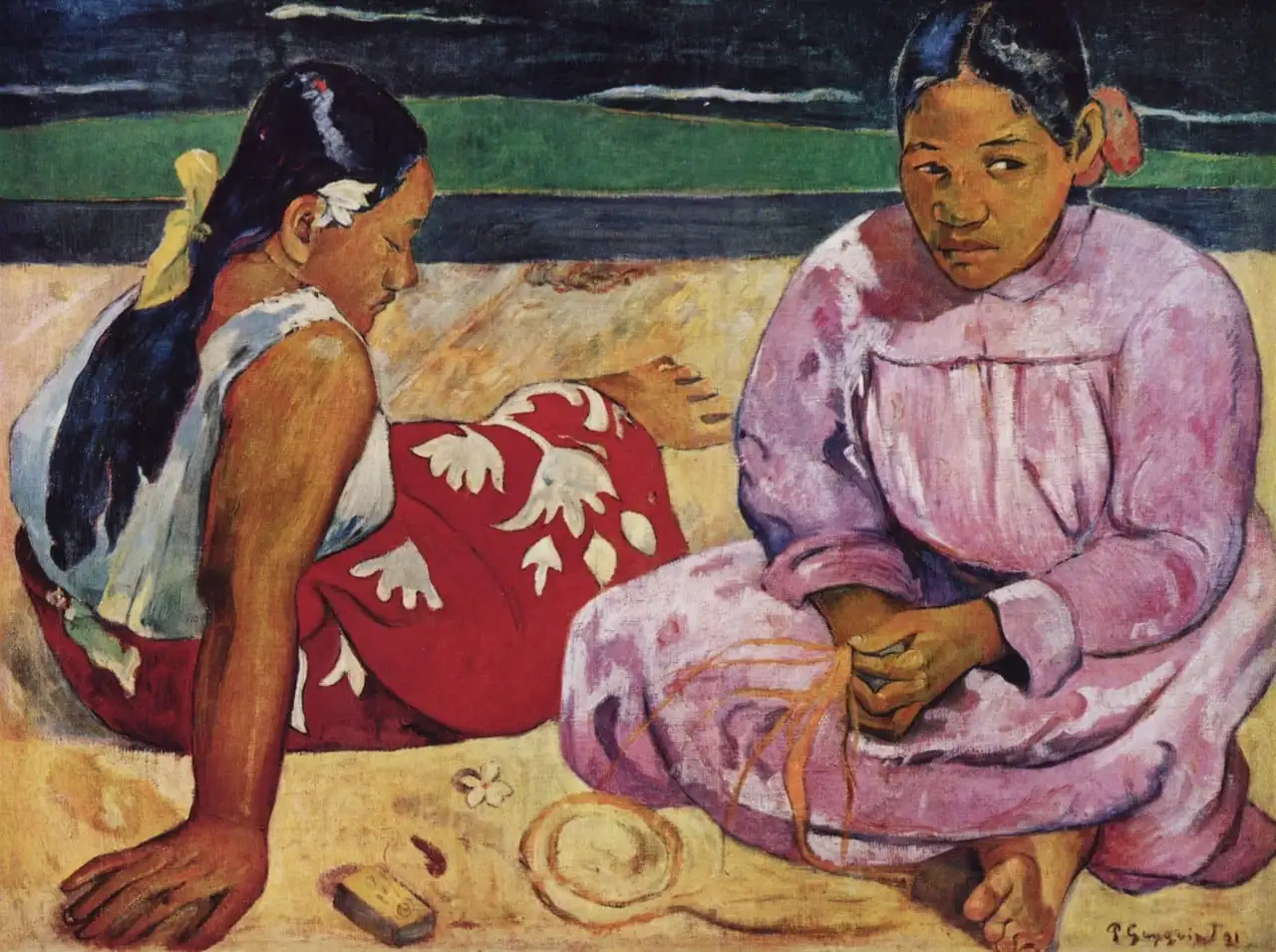
Paul Gauguin · 1891
Tahitian Women on the Beach
Mini · Petite
From $10.82 USD
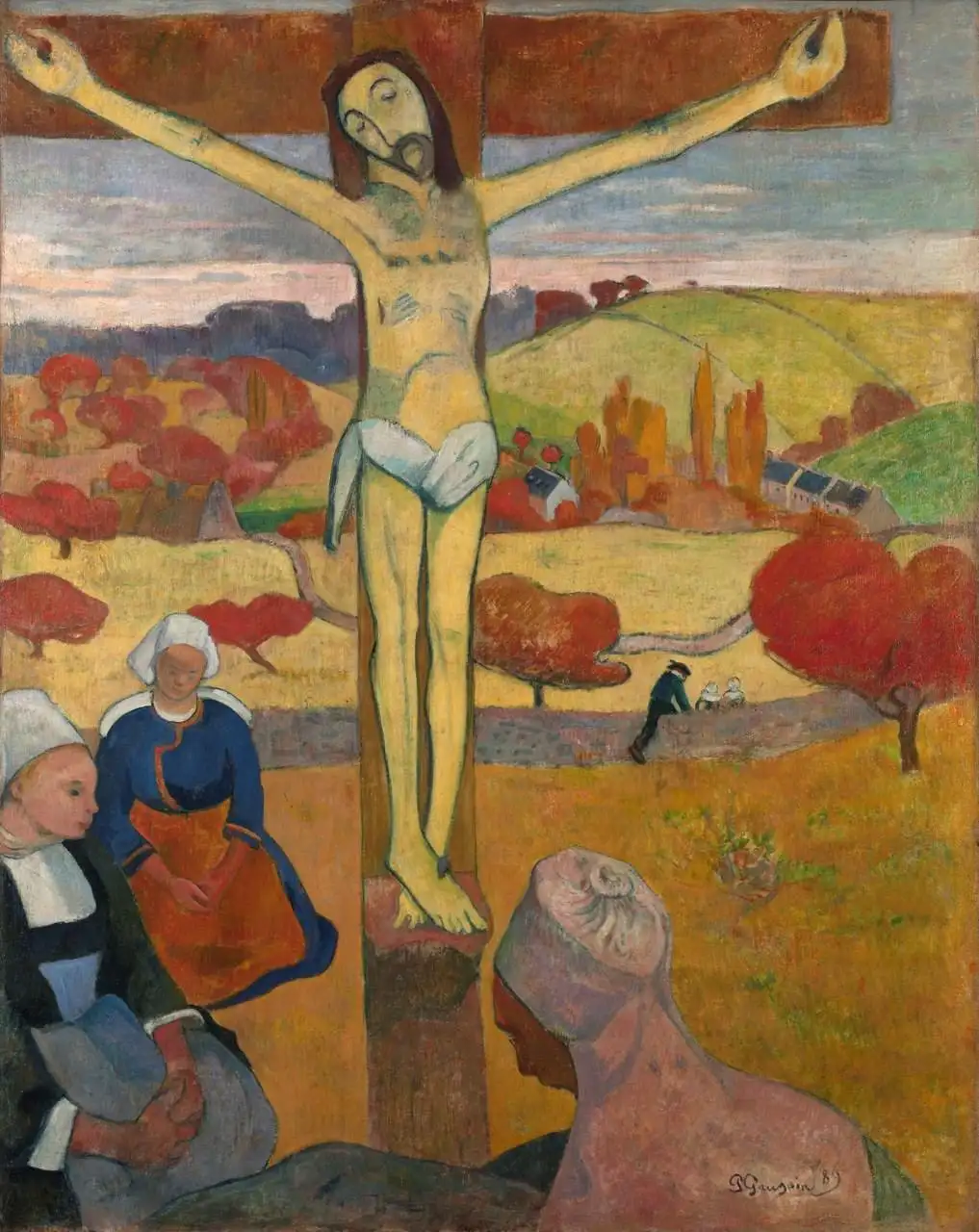
Paul Gauguin · 1889
The Yellow Christ
Mini · Petite · Small · Medium
From $10.82 USD
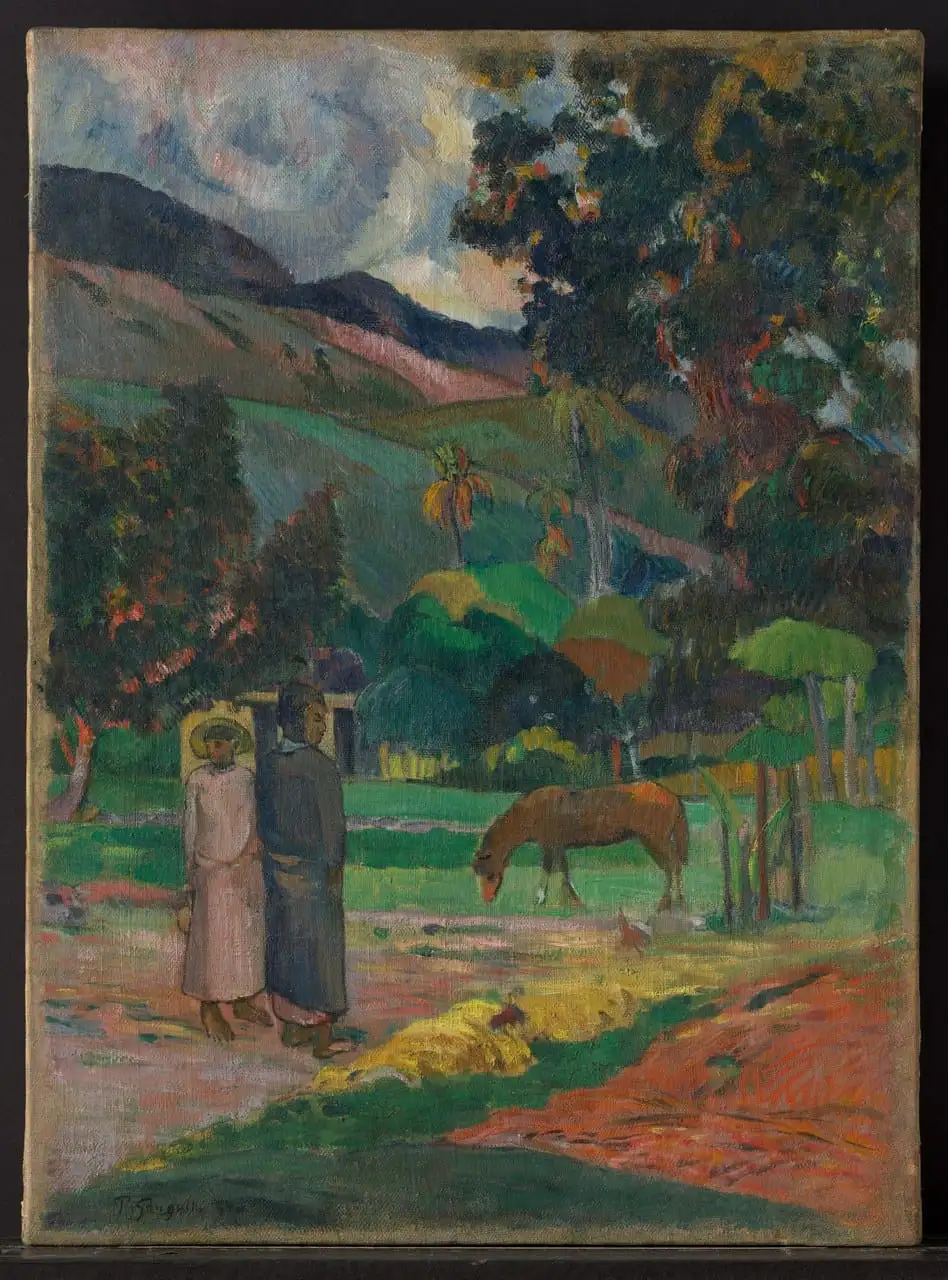
Paul Gauguin · 1892
Tahitian Landscape
Mini · Petite · Small
From $10.82 USD
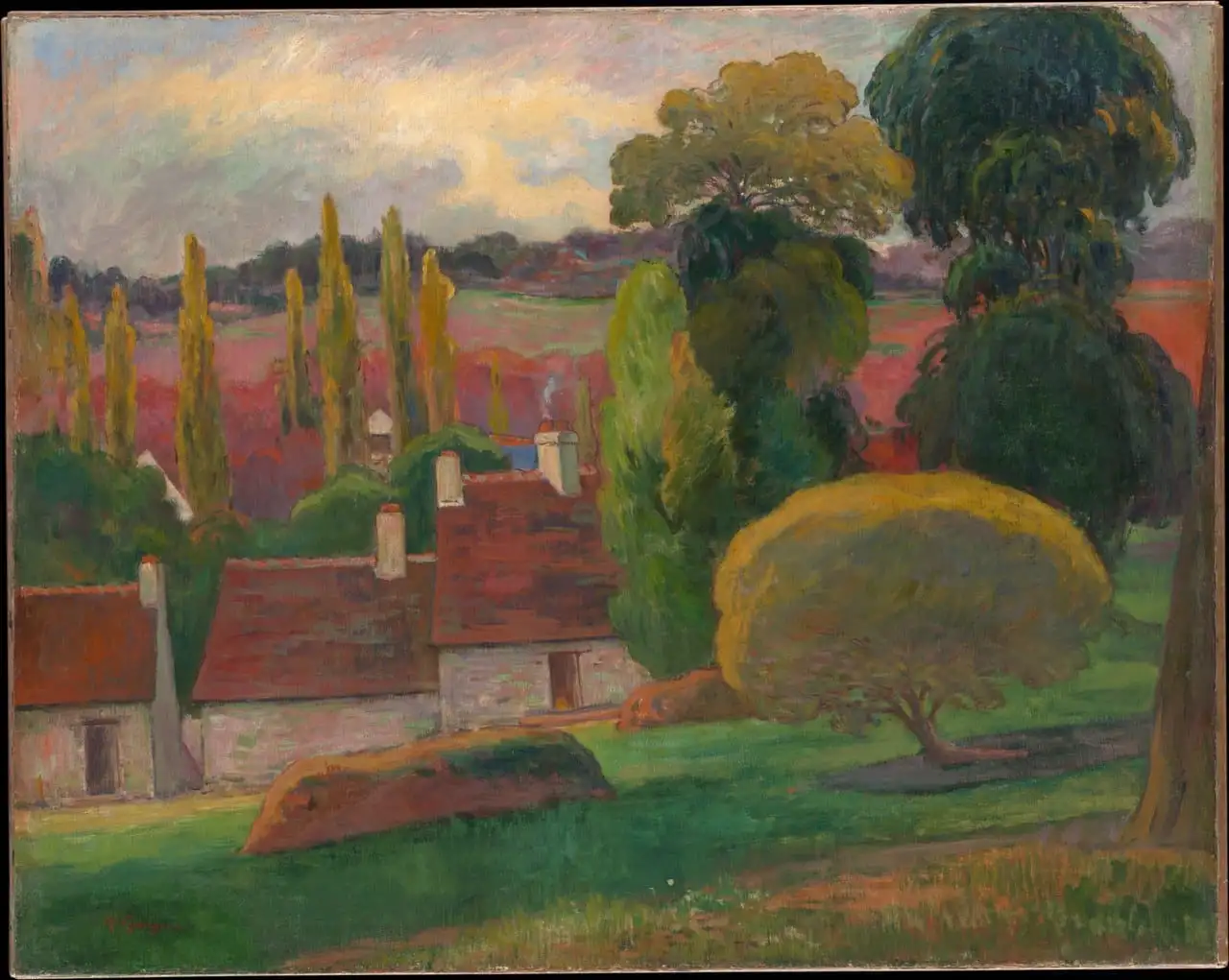
Paul Gauguin · ca. 1894
A Farm in Brittany
Mini · Petite · Small
From $10.82 USD
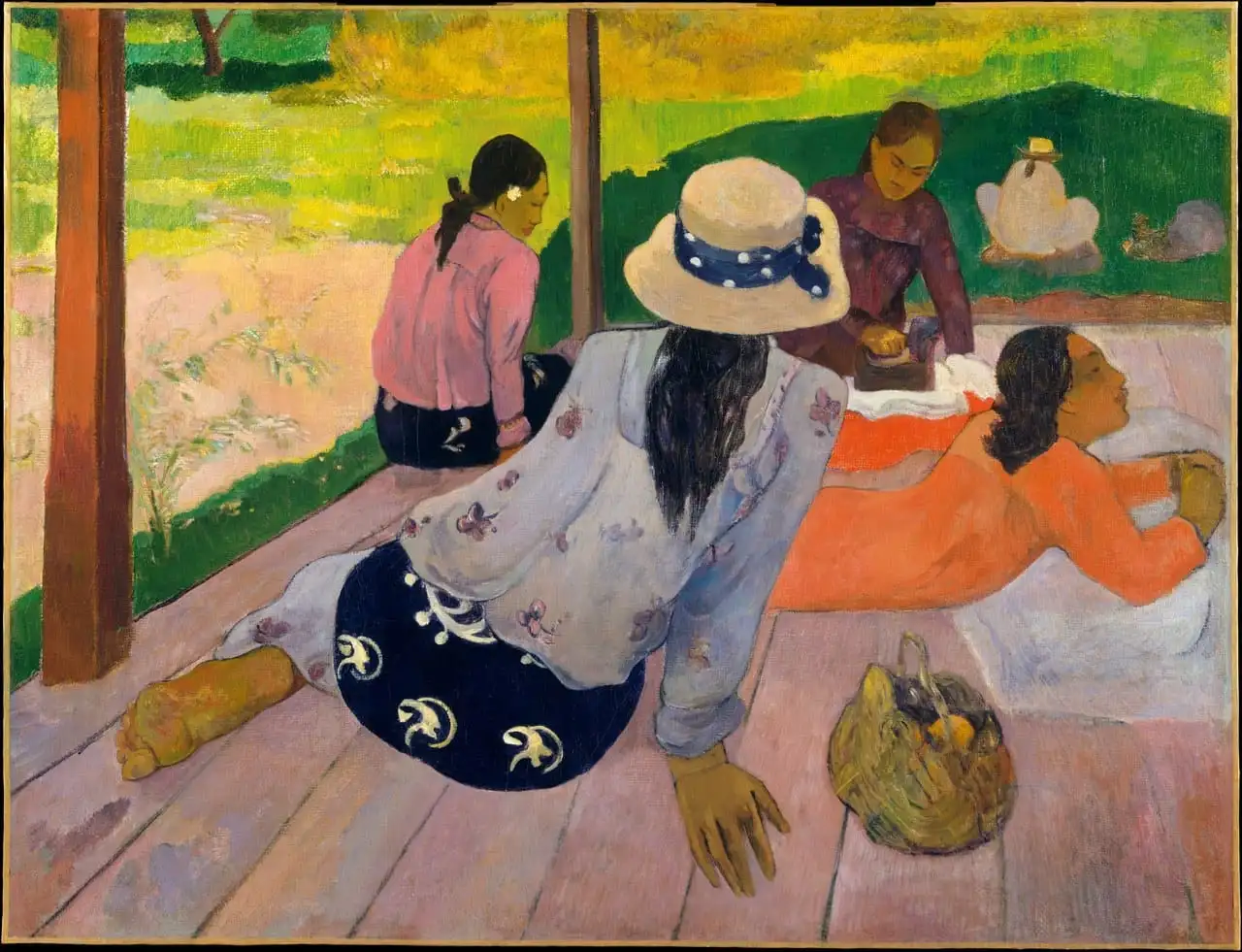
Paul Gauguin · ca. 1892–94
The Siesta
Mini · Petite · Small
From $10.82 USD
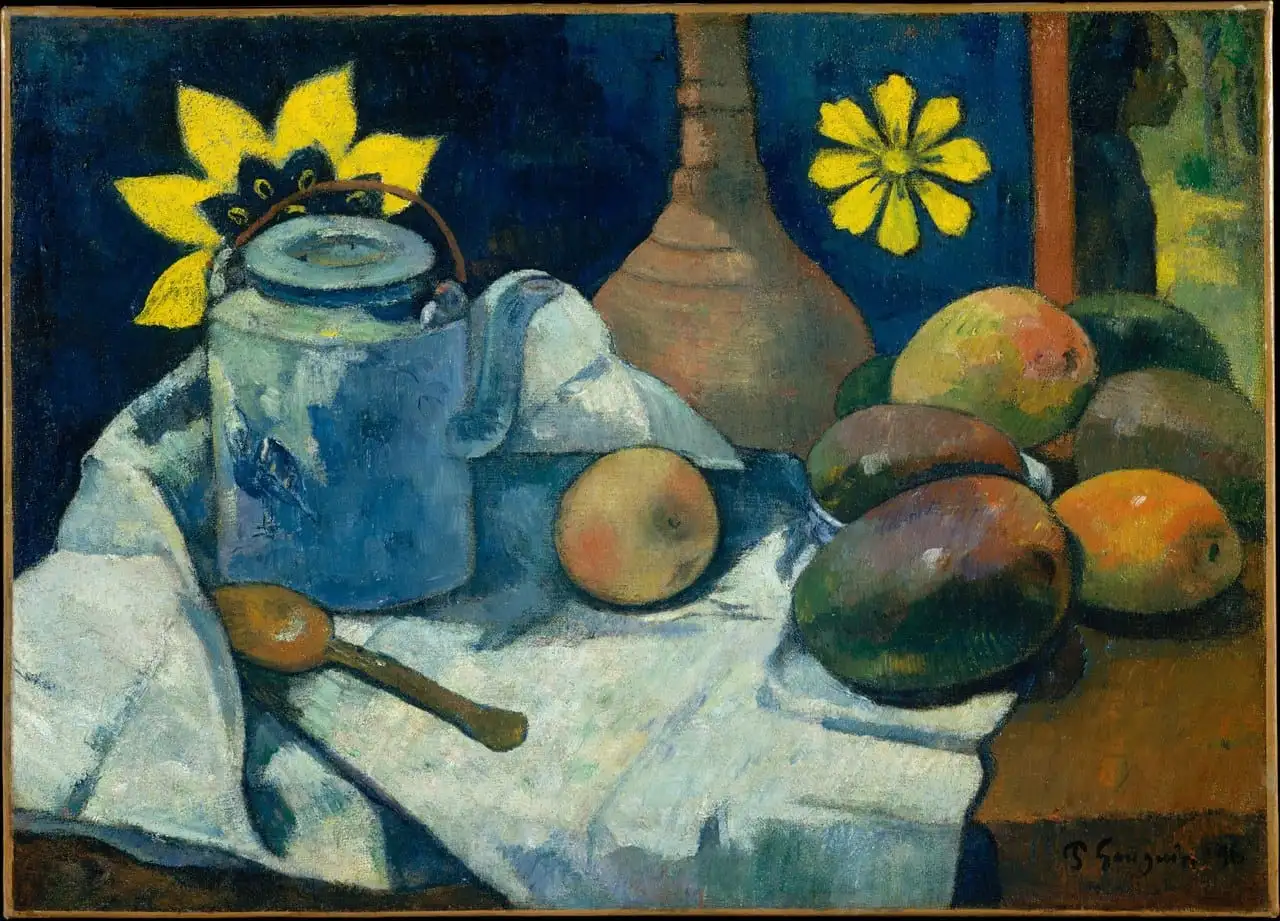
Paul Gauguin · 1896
Still Life
Mini · Petite · Small
From $10.82 USD