Sofonisba Anguissola · 1555
The Chess Game
Posters from $10.82 USD · Canvas from $28.14 USD
Ships anywhere in the USA
Sofonisba's three sisters playing chess in their Cremona garden, a servant looking on — the first Western painting to treat noblewomen casually at home. National Museum, Poznań.
Up to 24 × 16 in · landscape
Size
Larger sizes are unavailable for this painting because the source scan's resolution wouldn't print at gallery quality.
Format & finish
Archival cotton canvas stretched over a wooden frame. Ready to hang as-is. No external frame.
Scale next to a 5'10" person
No sales tax added at checkout
Visa · Mastercard · Amex · Discover · Apple Pay · Google Pay
Materials & quality
›Canvas & inks
Giclée-printed on archival cotton canvas with fade-resistant pigment inks, hand-stretched over wooden bars. Gallery-wrapped — ready to hang with no extra frame needed.
›Floater frame
Hand-finished solid wood floater frame in five finishes. The canvas sits inside with a clean shadow gap — the way galleries hang contemporary canvas.
›Posters
Premium archival paper — 200 gsm soft matte or 230 gsm vibrant glossy. Ships flat or rolled, ready for your own frame.
›Faithful to the source
Printed from the highest-resolution museum and archive scans available. Each painting's maximum size is capped at what its source scan can support at gallery quality.
The story of The Chess Game
Three sisters sit at a chessboard under an oak tree while a servant leans in to see who is winning. The oldest, on the left, has just taken a piece and looks straight out at you to make sure you noticed. The youngest, in the middle, is laughing openly at the loser. Sofonisba Anguissola painted her own sisters in Cremona in 1555, when she was in her early twenties, and the painting is in the National Museum in Poznań, Poland. It is the earliest picture we know of that shows well-born women simply enjoying themselves at home, and the artist went on to serve as a painter at the Spanish court.
On a wall, this is a warm, sociable painting. The dominant colors are the sisters' brocade dresses in russet, gold, and burgundy against dark green foliage, with a pale blue landscape opening up behind them. It suits a dining room, a family room, a game room, or a study, and it works with traditional, old-world, and collected-over-time interiors. We offer it up to the Medium at 24 × 16 in, which is the size that lets you read the faces and the board, and the Small at 18 × 12 in is right above a side table or in a pair with another Renaissance portrait.
For company, Vigée Le Brun's Self-Portrait with Her Daughter is the other great painting of family affection by a woman at court. Leonardo's Lady with an Ermine shares the century and the quiet self-possession, and Arcimboldo's Summer was painted in the same Mannerist decade with a very different sense of humor. More from Sofonisba Anguissola.
Printed in our studio from a public-domain photograph of the Poznań canvas, with the warm, slightly darkened varnish of the original left in place.
Sofonisba Anguissola
Sofonisba Anguissola was an Italian Renaissance painter born in Cremona to a relatively poor noble family. She received a well-rounded education that included the fine arts, and her apprenticeship with local painters set a precedent for women to be accepted as students of art. As a young woman, Anguissola travelled to Rome where she was introduced to Michelangelo, who immediately recognized her talent, and to Milan, where she painted Fernando Álvarez de Toledo, 3rd Duke of Alba. The Spanish queen, Elizabeth of Valois, was a keen amateur painter, and in 1559 Anguissola was recruited to go to Madrid as her tutor, with the rank of lady-in-waiting. She later became an official court painter to the king, Philip II, and adapted her style to the more formal requirements of official portraits for the Spanish court. After the Queen's death, Philip helped arrange an aristocratic marriage for her. She moved to Sicily, and later Pisa and Genoa, where she continued to practice as a leading portrait painter.
All Sofonisba Anguissola prints →Biography adapted from Wikipedia, available under CC BY-SA 4.0.
You may also like
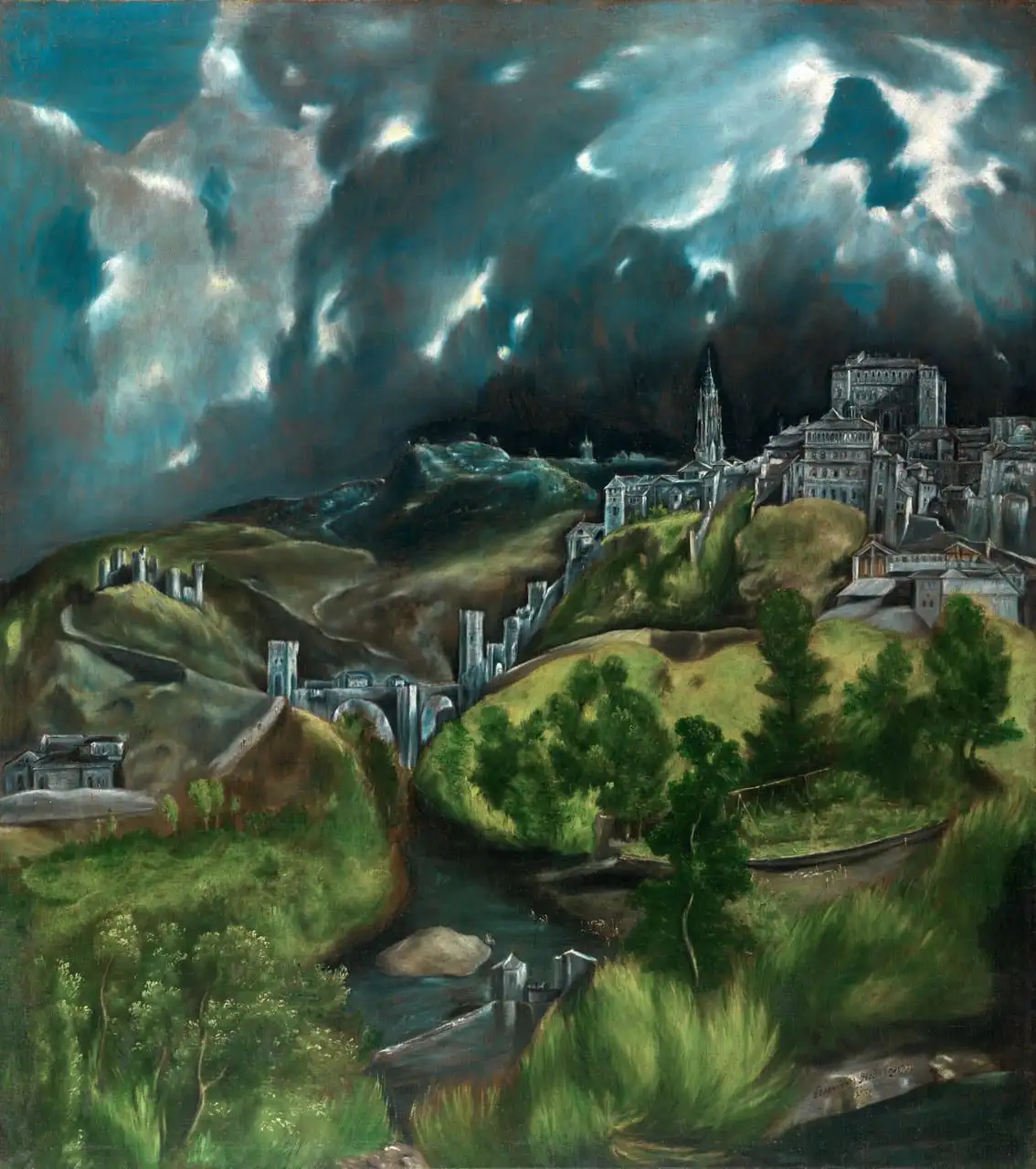
El Greco · c.1599
View of Toledo
Mini · Petite · Small
From $10.82 USD
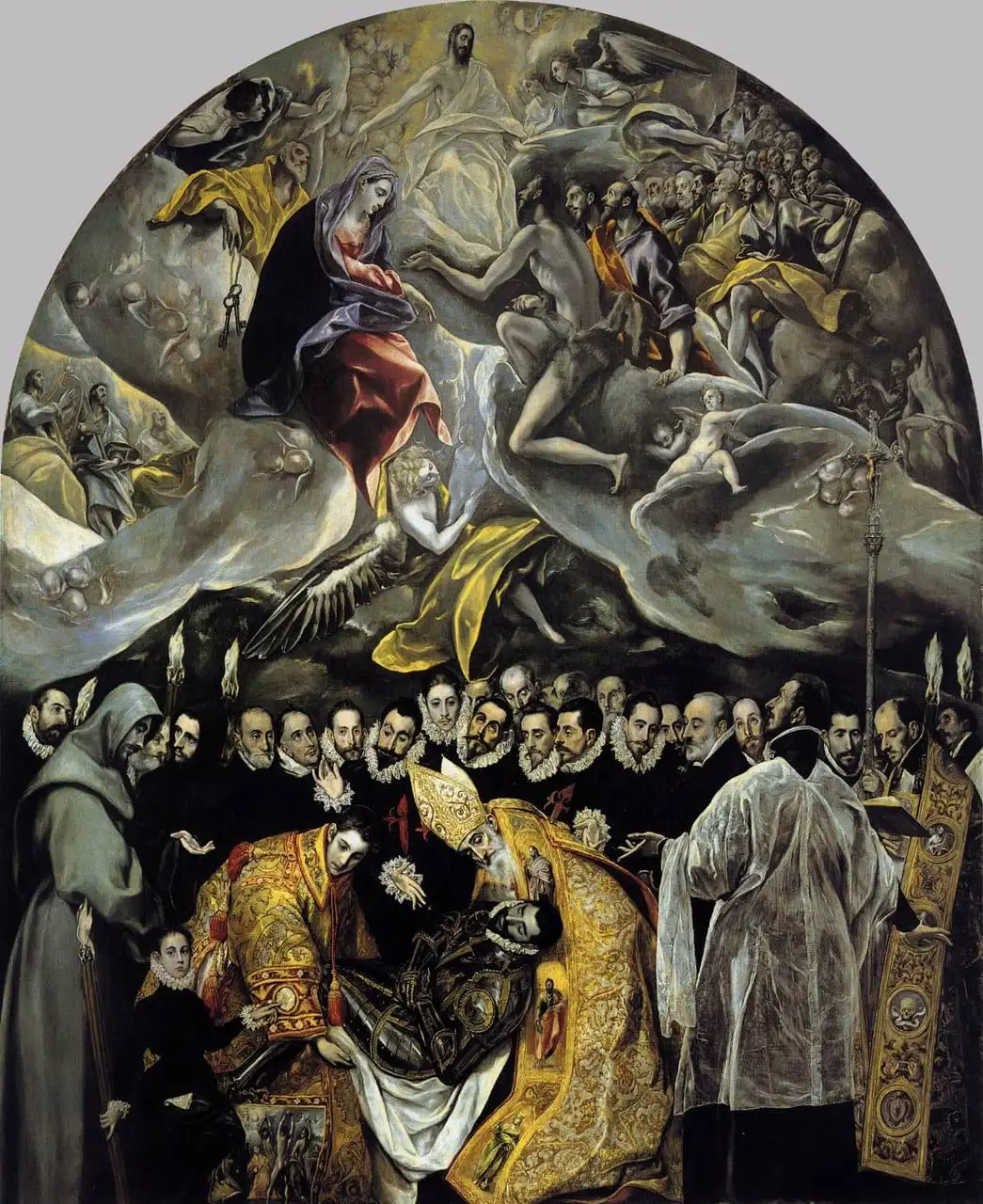
El Greco · 1586
The Burial of the Count of Orgaz
Mini
From $10.82 USD
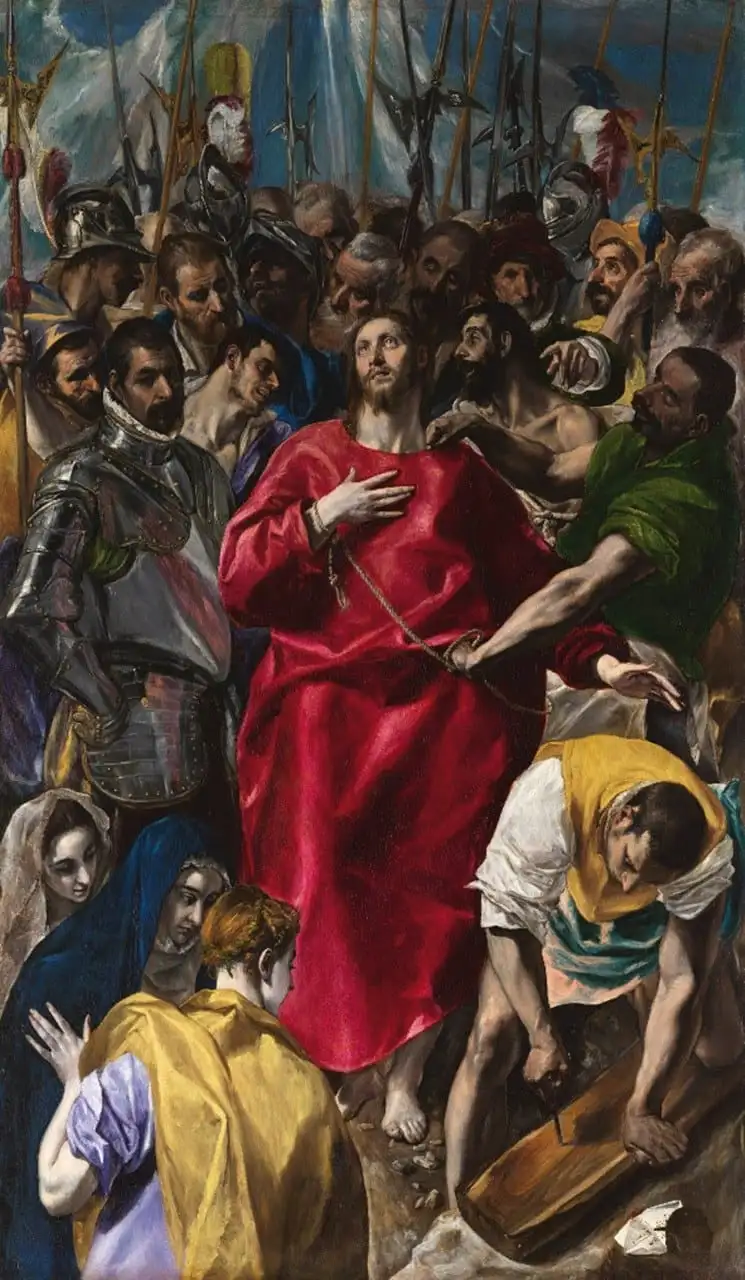
El Greco · 1577–79
The Disrobing of Christ
Mini
From $10.82 USD
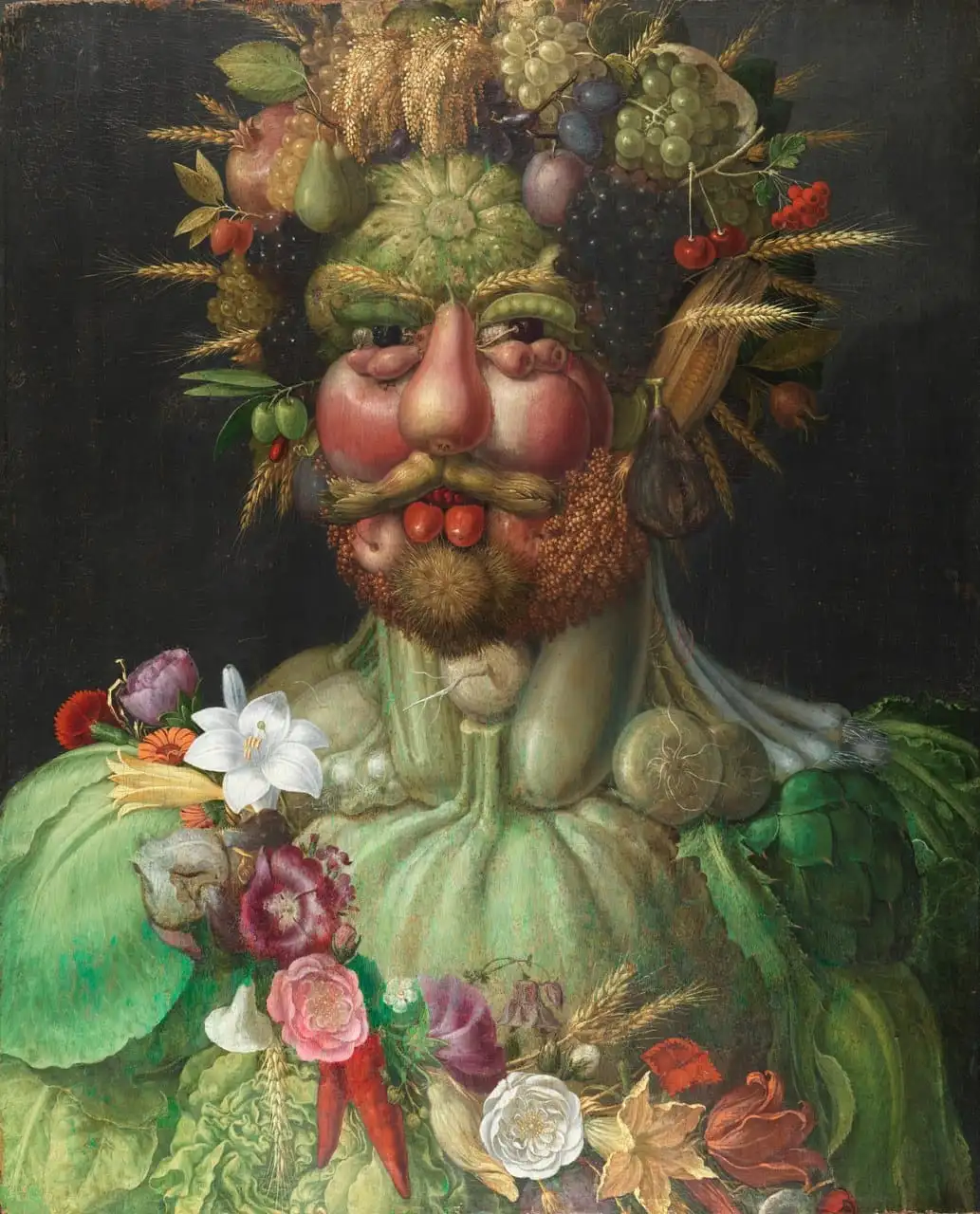
Giuseppe Arcimboldo · c.1591
Vertumnus (Portrait of Rudolf II)
Mini · Petite · Small · Medium · Large · Extra Large
From $10.82 USD
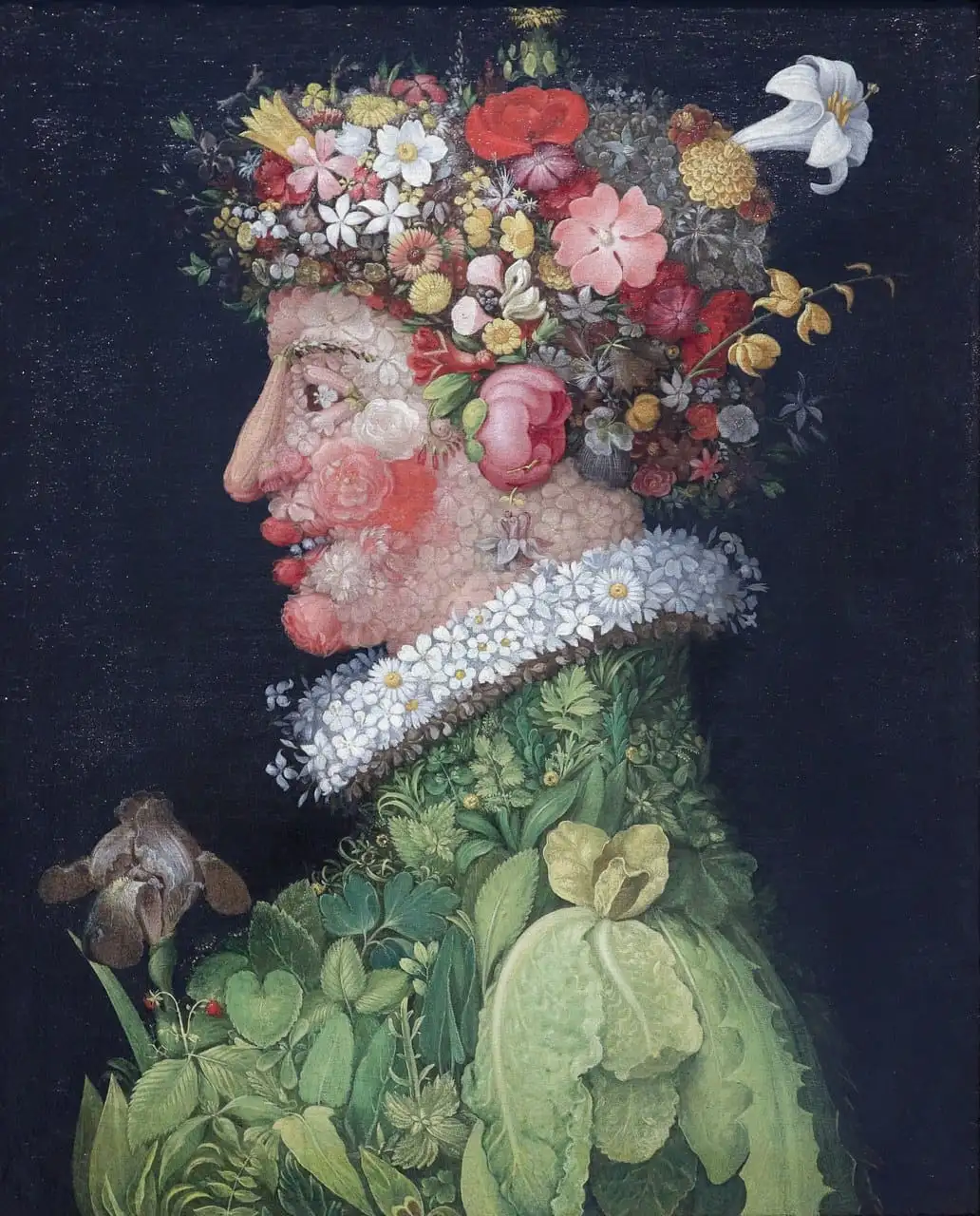
Giuseppe Arcimboldo · 1573
Summer
Mini · Petite · Small
From $10.82 USD
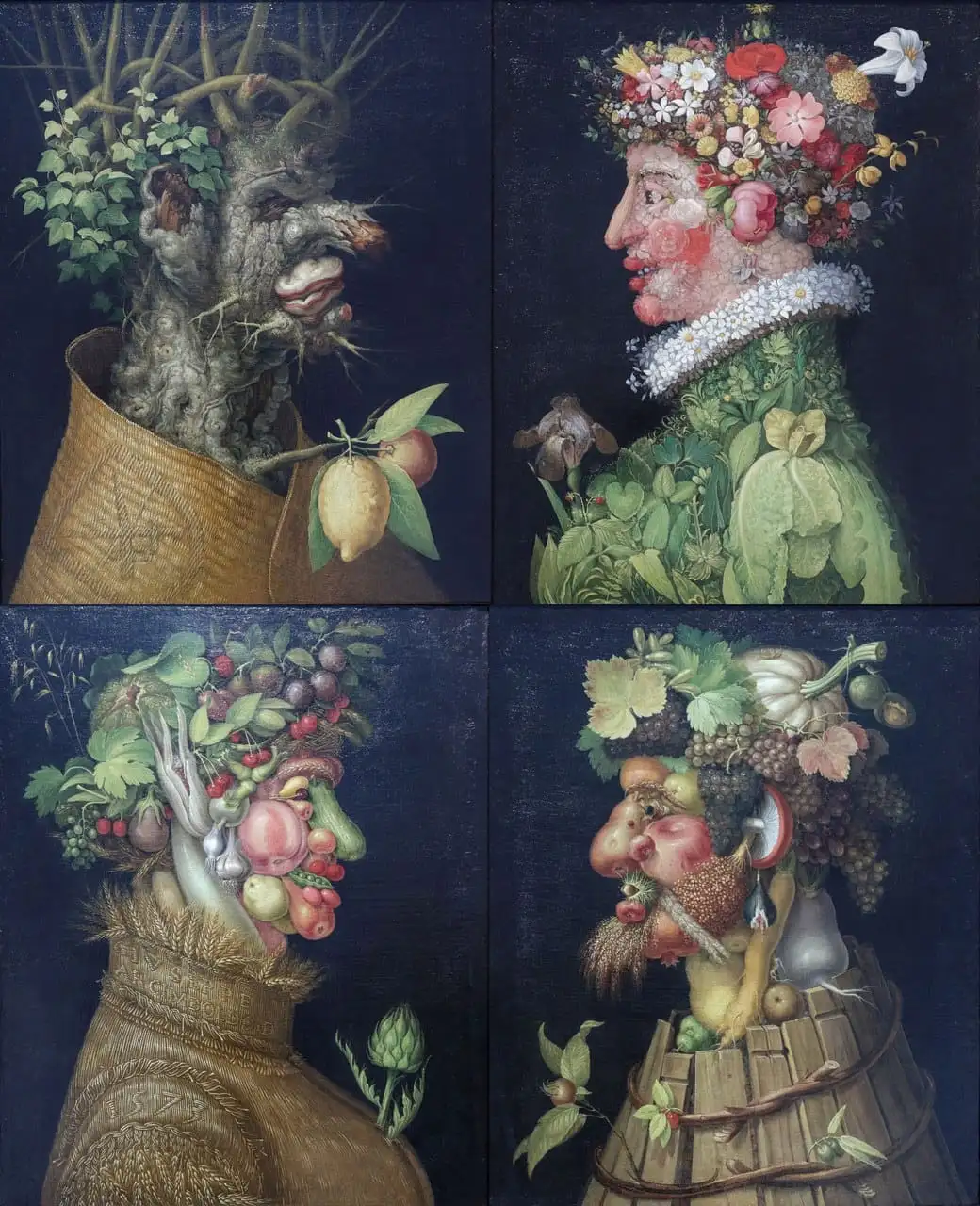
Giuseppe Arcimboldo · 1573
Winter
Mini · Petite · Small · Medium · Large
From $10.82 USD